
Broken Garage Door Springs
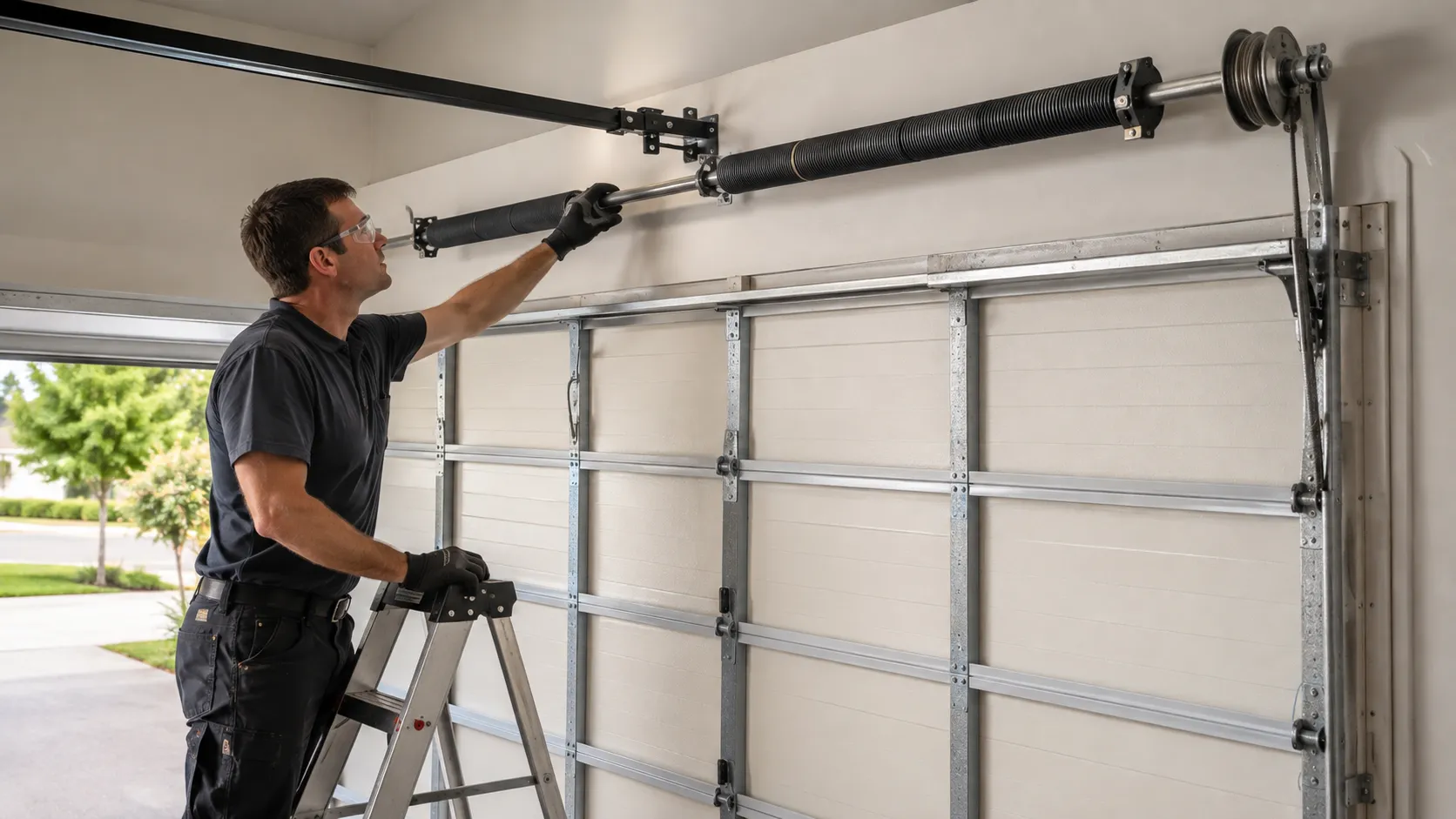
Garage door springs eventually reach the end of their useful cycle life after years of repeated opening and closing.
Local garage door service · Charleston, WV
Garage door repair and installation for Charleston homes built mostly between 1949 and 1993, covering emergency service, maintenance, off-track repair, opener repair, spring repair, and the older residential systems common across the area's 1960s- and 70s-heavy housing stock.
Popular Services
Garage door services
From emergency repair and installation to maintenance, off-track service, opener repair, spring repair, and general garage door work, the lineup is built around the systems common across Charleston's older housing stock.
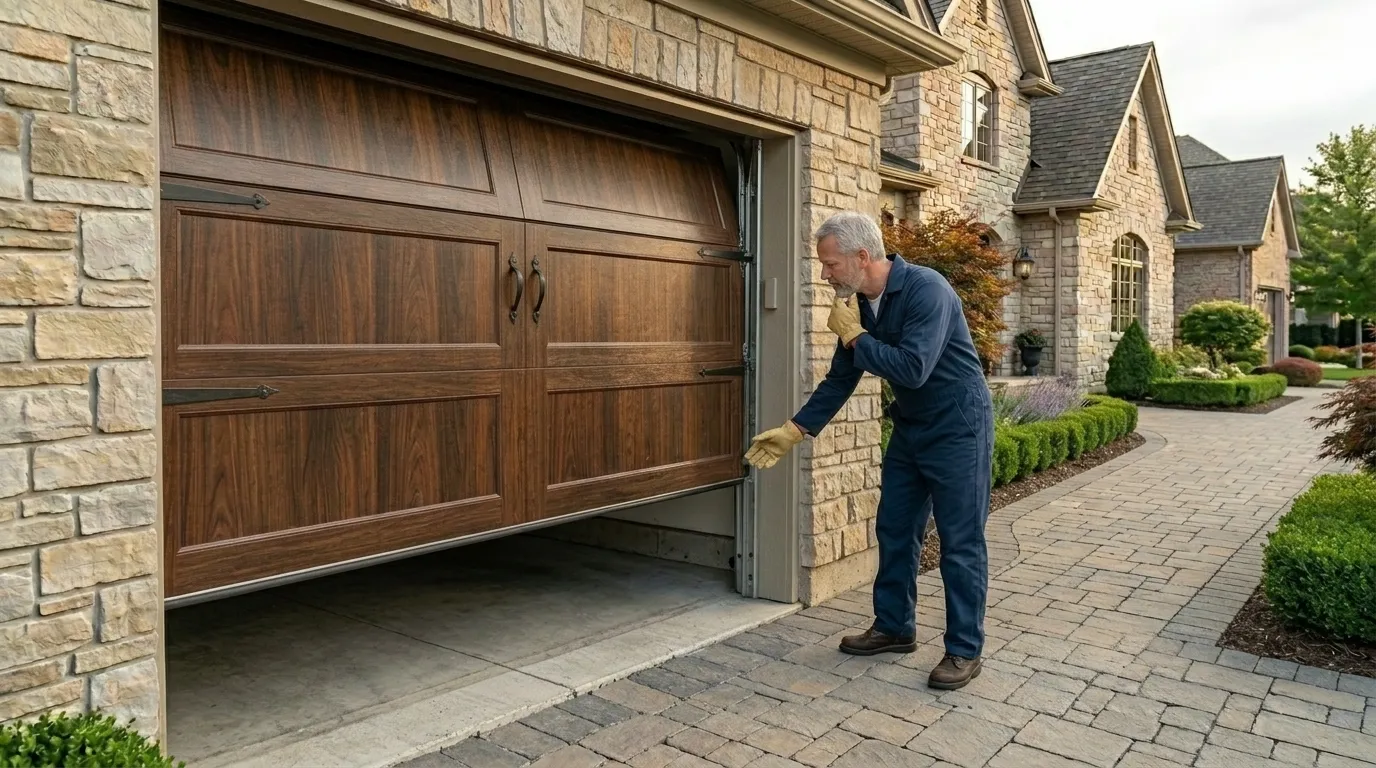
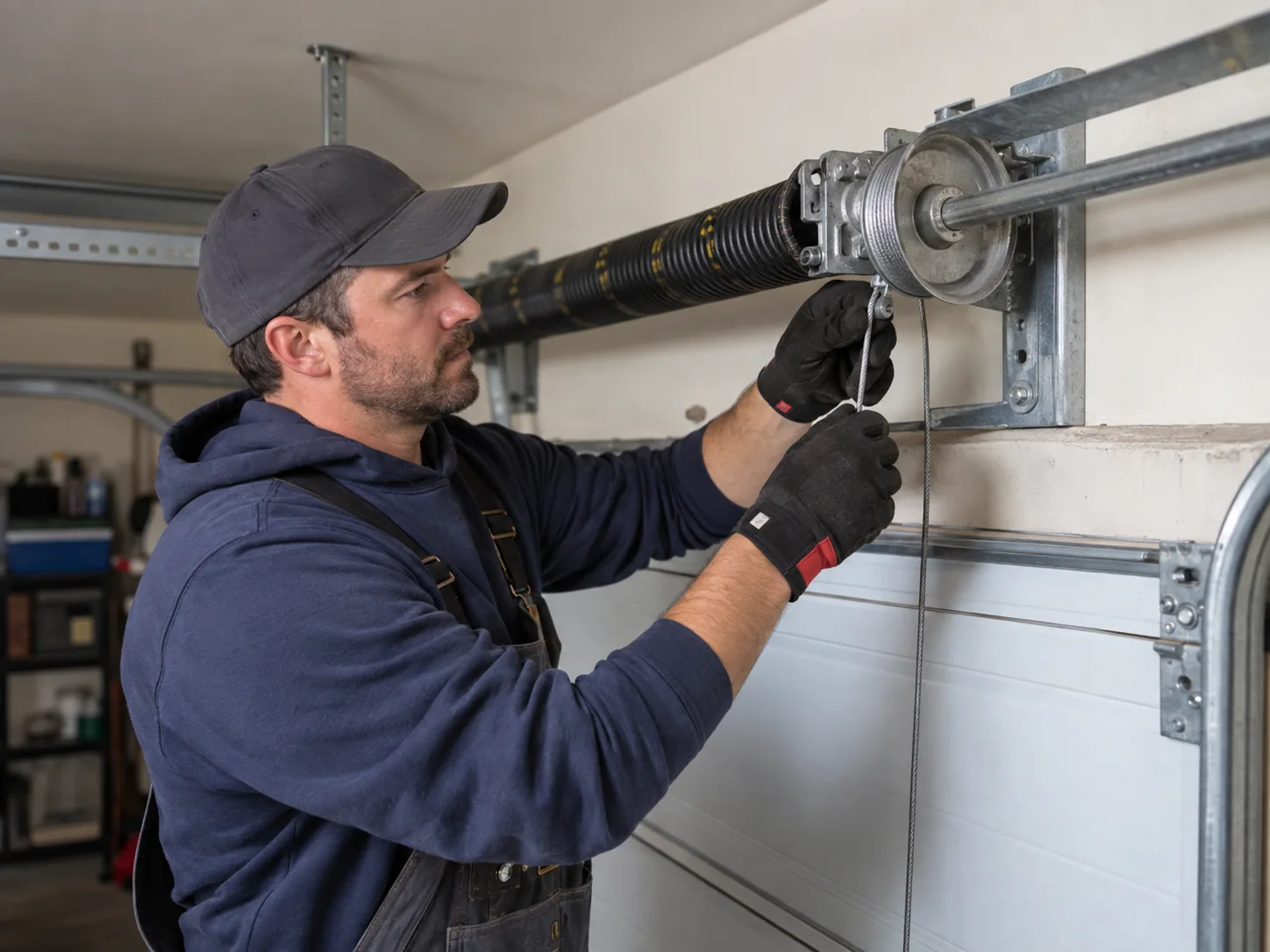
Common Charleston garage door problems
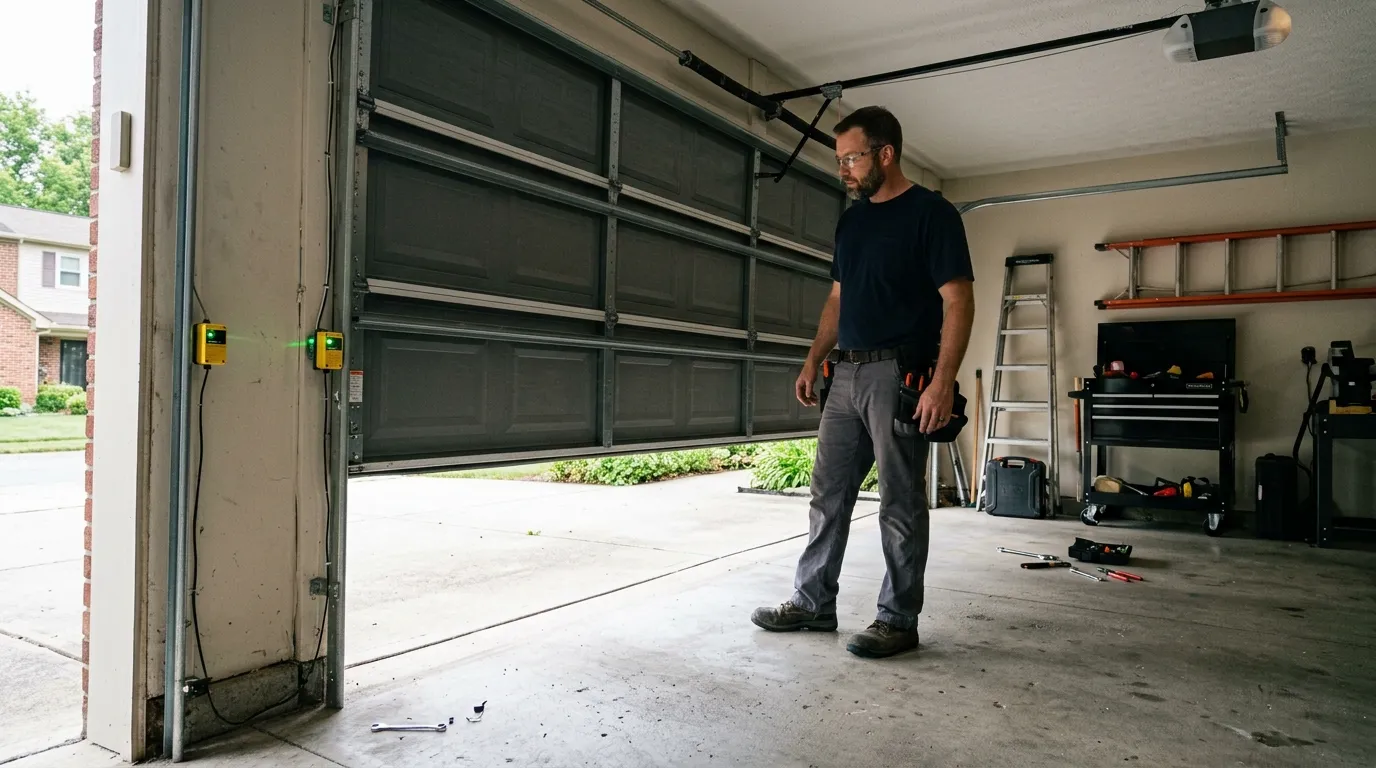
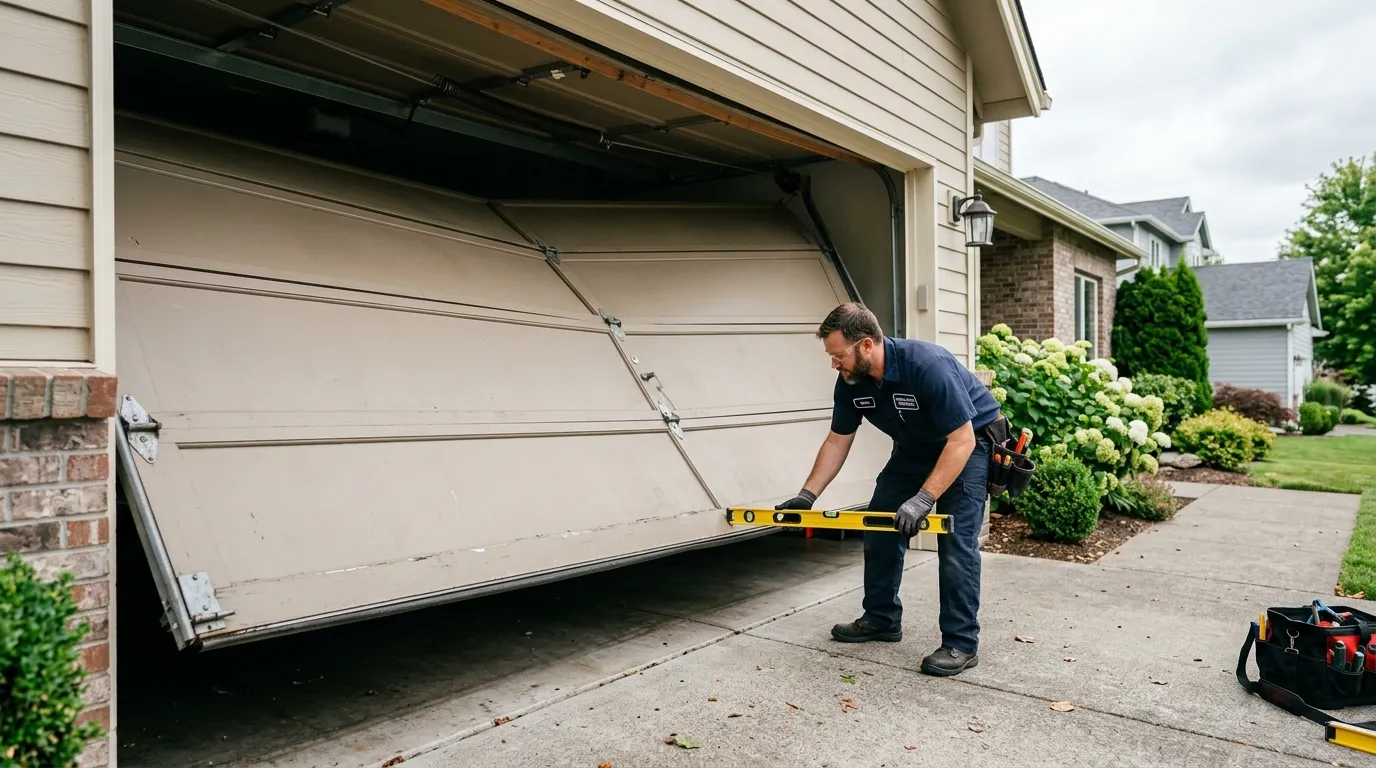
Broken springs, worn rollers, aging openers, cable wear, loose hinges, and track problems make up much of the work across Charleston's 1960s- and 70s-heavy housing stock. Broken torsion springs on double doors are the most common single repair across the broader area; older rollers wear unevenly after decades of use while cables fray around drums and hinges loosen from aging panels; openers may already be on their second or third replacement while the surrounding tracks, springs, and mounting hardware remain much older — so the correct repair depends on whether the problem is isolated or part of a wider pattern of wear across the door.
Garage door springs eventually reach the end of their useful cycle life after years of repeated opening and closing.
Older rollers can become noisy, rough, worn, or resistant after years of regular track travel.
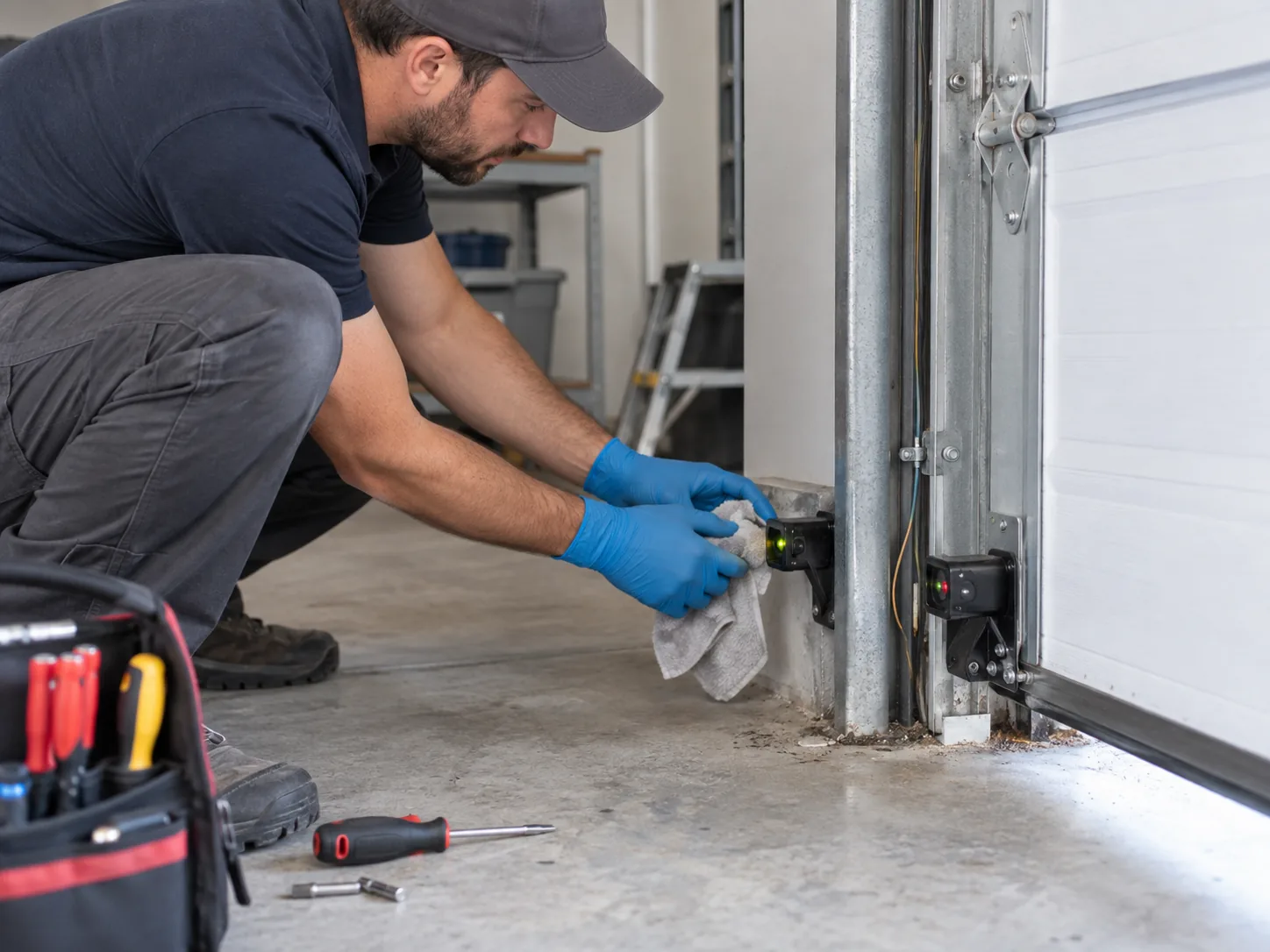
Older opener motors, gears, logic boards, sensors, controls, and drive systems can eventually develop operating problems.
Cables can fray, loosen, slip, or fail after years of carrying repeated lifting loads.
Older hinges, tracks, brackets, and mounting points can loosen or wear after decades of regular operation.
Local housing matters
The broader source service area is dominated by homes built between 1949 and 1993, with a median build year around 1967 and much of the stock concentrated in the 1960s and 70s.
That creates a large number of garages with older torsion systems, track profiles, jambs, rollers, cables, and opener hardware that may have been repaired rather than fully replaced over the years.
The source references approximately 21,303 owner-occupied houses across the broader service area.
Some older openings can differ from modern standard dimensions, which may affect track brackets, jamb fit, and replacement-door planning.
The build year gives useful context, but the correct repair still depends on the system actually installed today.
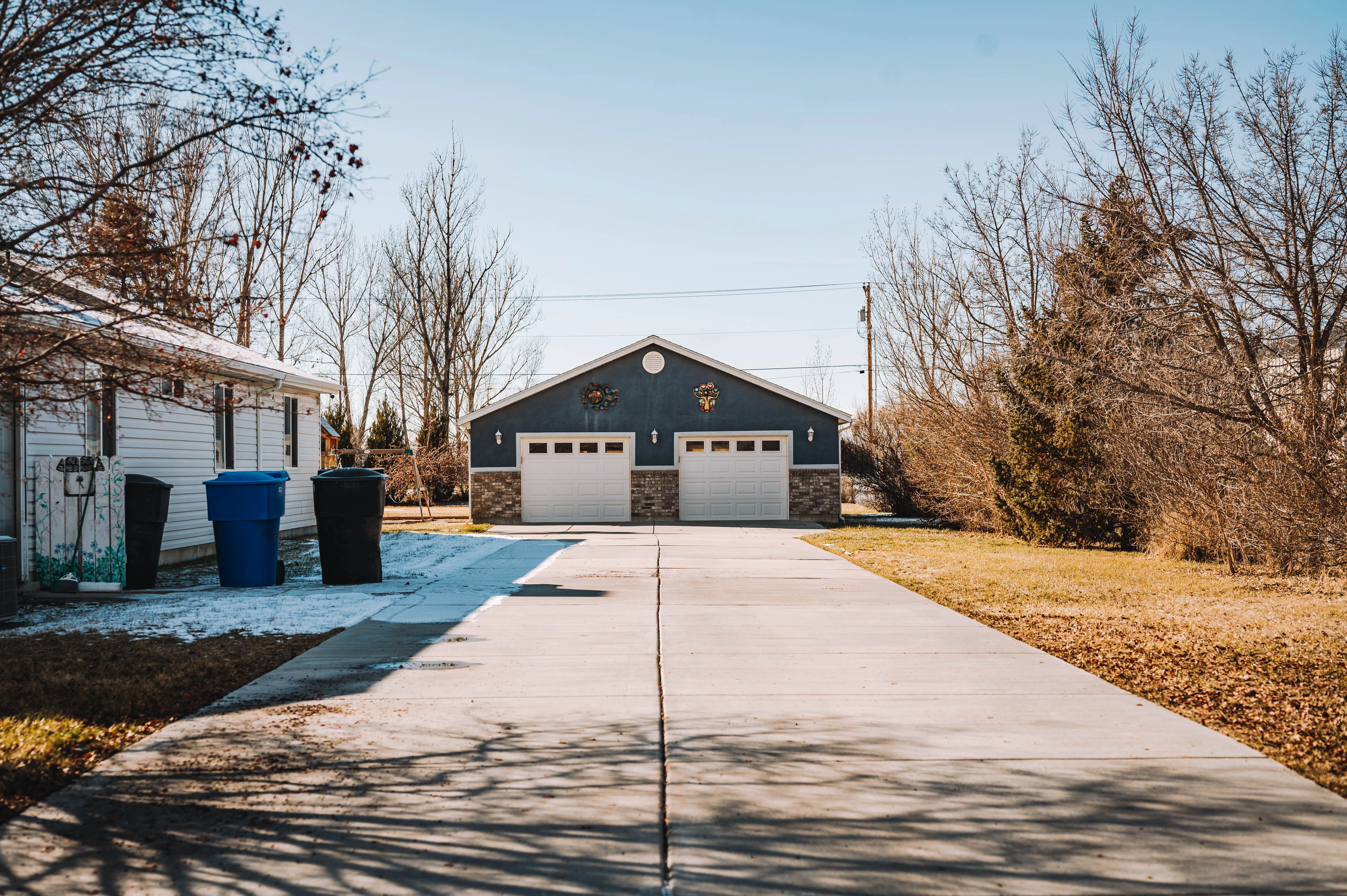
1960s–70s garage door systems
Homes concentrated around the 1960s and 70s can combine older door openings, torsion systems, tracks, replacement openers, and hardware that has been updated one component at a time.
Some earlier garages can have rough openings and track spacing that differ from current standard replacement dimensions.
Older torsion hardware may use spring, drum, bracket, or mounting dimensions that should be measured directly.
A garage may have a newer opener while retaining much older tracks, springs, cables, hinges, or mounting hardware.
Older jambs and weather seals can shift or deteriorate over time and affect how well the door closes and seals.
What to expect
We start with what the door is actually doing, use the symptoms to point toward the likely cause, diagnose the actual door before quoting, and set a clear parts expectation when older hardware needs sourcing.
Tell us whether the door is stuck open, stuck closed, made a loud bang, moves unevenly, or the opener is no longer working correctly. That symptom is the starting point.
The symptoms can help point toward a spring, cable, opener, sensor, roller, track, or structural door problem before the on-site inspection.
We check the actual door and hardware before recommending replacement or additional work, since older parts often wear together.
If older or unusual track hardware requires sourcing, we explain that instead of promising every repair will finish immediately.
Some Older Hardware May Need Ordering
Pre-1993 track, spring, bracket, or opener components can occasionally require additional sourcing rather than being standard truck stock.
Cold-weather garage door wear
Charleston sits in a cold-moderate winter climate, so seasonal conditions tend to expose existing spring, roller, seal, track, and balance problems rather than cold alone causing failure.
Cold-weather operation can expose weakness in a spring that is already approaching the end of its useful cycle life.
Worn rollers or marginal alignment can become more noticeable when an older door is already moving with added resistance.
Older weatherstripping can harden, crack, or lose sealing effectiveness after years of seasonal exposure.
An aging opener can work harder when spring, roller, track, or balance problems are already making the door difficult to move.
Keep the system moving
With much of the local housing now decades into regular use, periodic inspection can help identify spring fatigue, cable wear, roller problems, track movement, opener strain, and seal deterioration before a small issue becomes a complete failure.
Changes in door balance can indicate the spring system is no longer carrying the door as effectively as it should.
Fraying, rough travel, looseness, or visible roller wear can point to developing lifting and guidance problems.
Tracks, hinges, brackets, and mounting points can be checked for movement, wear, looseness, or corrosion.
Changes in sound, travel, reversing, sensor response, or remote reliability can provide early signs of opener trouble.
Clear repair guidance
There isn't one flat repair price, because a spring repair, opener problem, track issue, or full replacement can involve very different parts and labor.
Door size, spring count, opener condition, track condition, older hardware compatibility, and whether several components are failing together can all change the scope.
Median household income across the broader service area runs around $61,160, but the price still comes from the door in front of us.
We provide the repair price before work begins and recommend replacement only when continued repair no longer makes practical sense.
Most work here is repair-scale rather than automatic full-door replacement.
Repair or replace?
An old garage door is not automatically a replacement candidate. Repair remains practical when the structure is sound and the failure is isolated, while replacement becomes more sensible when panels, tracks, or the door structure itself are deteriorating.
A targeted repair can make sense when the panels, tracks, cables, rollers, and surrounding structure remain serviceable.
Older hardware can still be repairable when compatible parts are available and the overall system remains structurally sound.
Replacement becomes more practical when panels are structurally warped or damaged beyond reasonable adjustment.
If tracks, framing, or major door components are extensively deteriorated, continued patching can offer poor long-term value.
Service areas
Questions
A lot of it comes down to age. Housing in this area mostly dates to 1949-1993, median around 1967, so a large share of the doors still running are on original or first-replacement torsion springs. Springs have a cycle life, and a door installed decades ago has usually burned through it, which is why broken springs are our most common call.
Yes, and it comes up often. Houses built before current code sometimes have openings sized a little differently than today's stock doors, so we occasionally modify track brackets or the jamb itself to fit a modern door into an older rough opening. We'll tell you upfront if your opening needs that kind of adjustment.
We cover close-in areas like South Charleston, Dunbar, and Coal Fork within about 4 to 6 miles, and run calls out to towns like Winfield and Clendenin around 18 miles. If your town isn't showing up in your head, call and ask - it's usually a yes.
Sometimes. If the door's frame is rusted through or panels are warped past adjustment, another repair is just delaying the same problem. We'll say so on site rather than keep patching a door that's past the point of being worth it.
Ready when you are
Tell us what the door is doing and we'll help you figure out whether you're dealing with a spring, opener, roller, track, off-track door, maintenance issue, emergency problem, or an older system that's reached the point where replacement makes more sense.