
1958 single-car opening prevalence
Houses here cluster around a median build year of 1958, which is older than the 1967 median across the rest of the service area we cover out of Charleston.
Nitro, Charleston
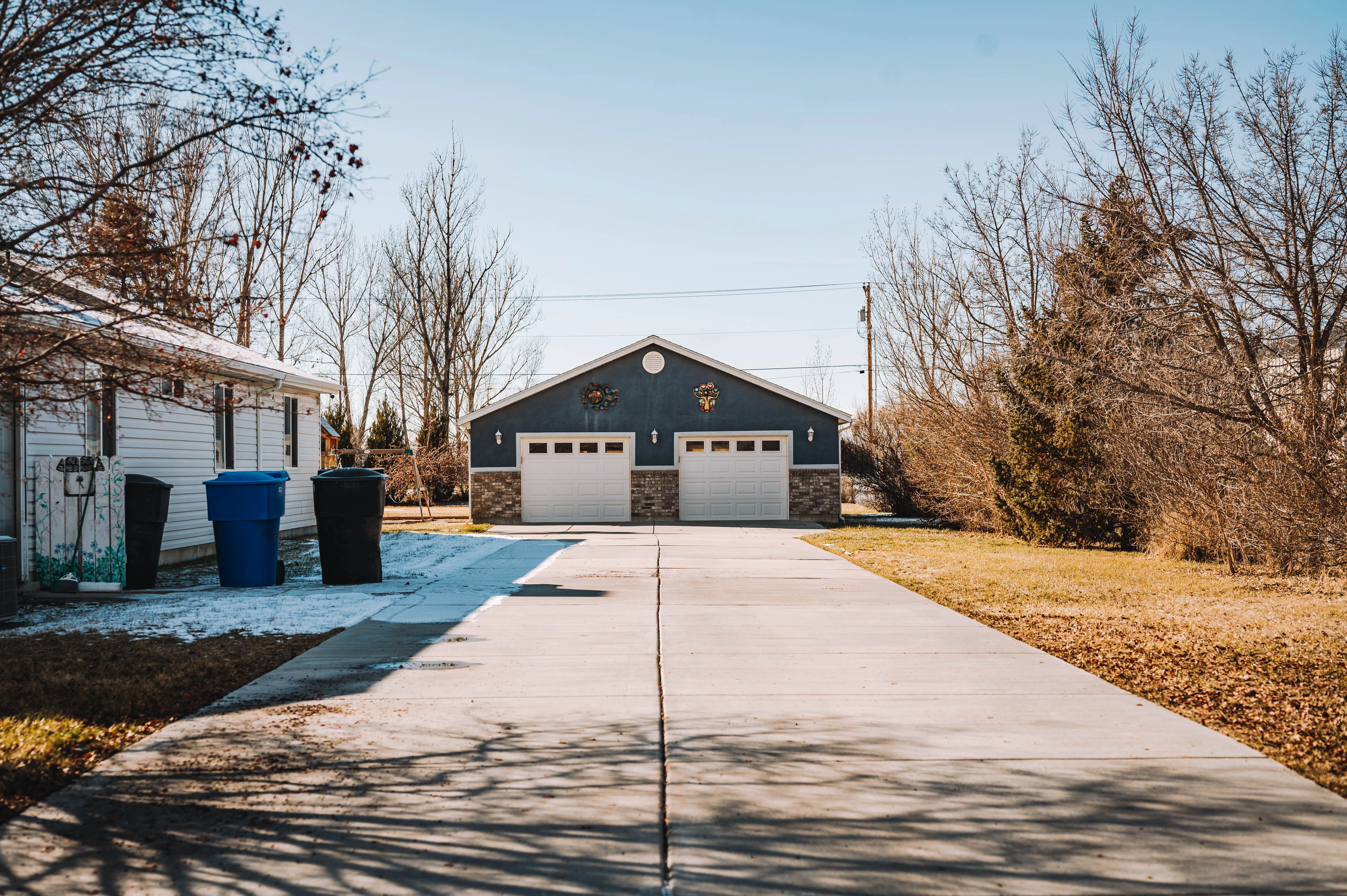
New garage door installation in Nitro, WV, built around older single-car openings and low headroom framing common to this stretch of the Kanawha Valley.
Popular Services
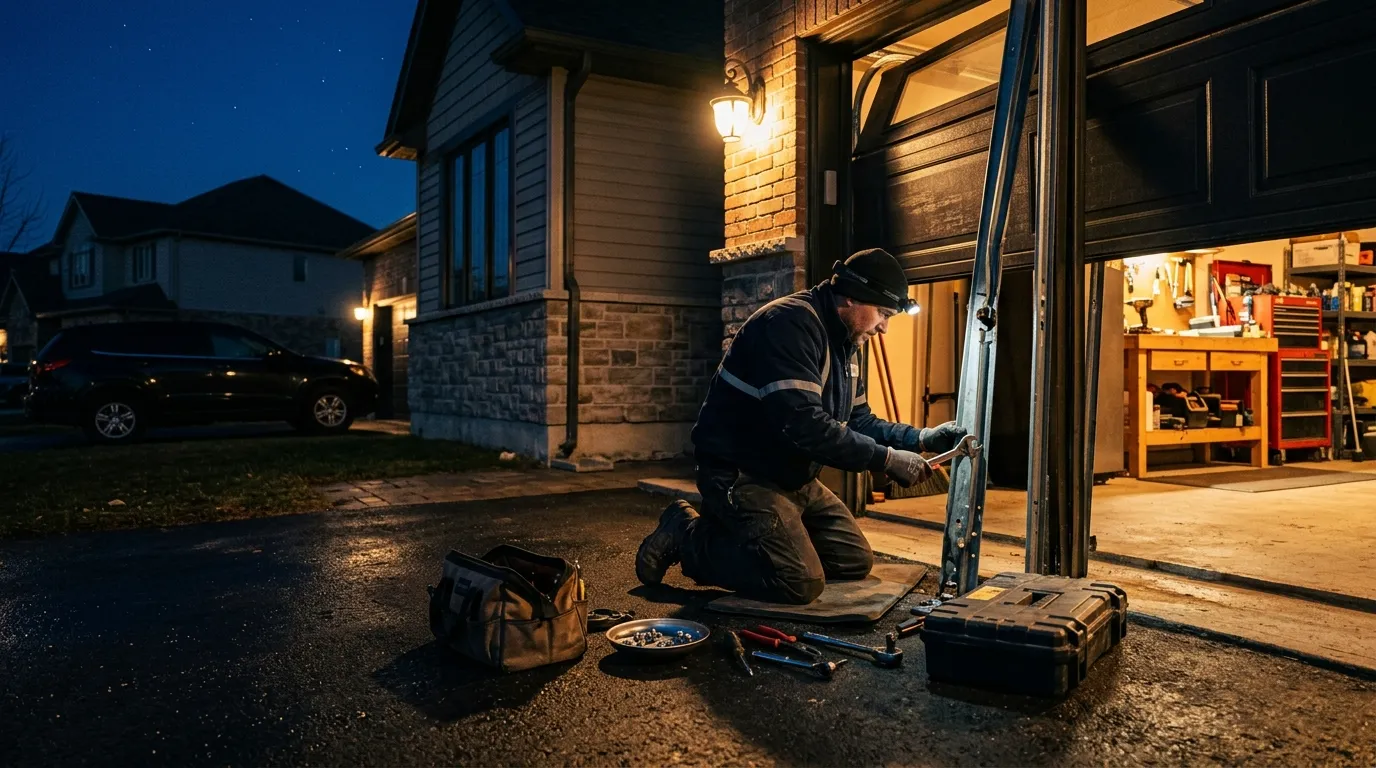
On the truck
Nitro is a small town - 2,820 households, not the kind of volume where you see five installs a week on the same street. What that means for parts is that we don't guess at what's behind the door before we get there.
Houses here cluster around a median build year of 1958, which is older than the 1967 median across the rest of the service area we cover out of Charleston.
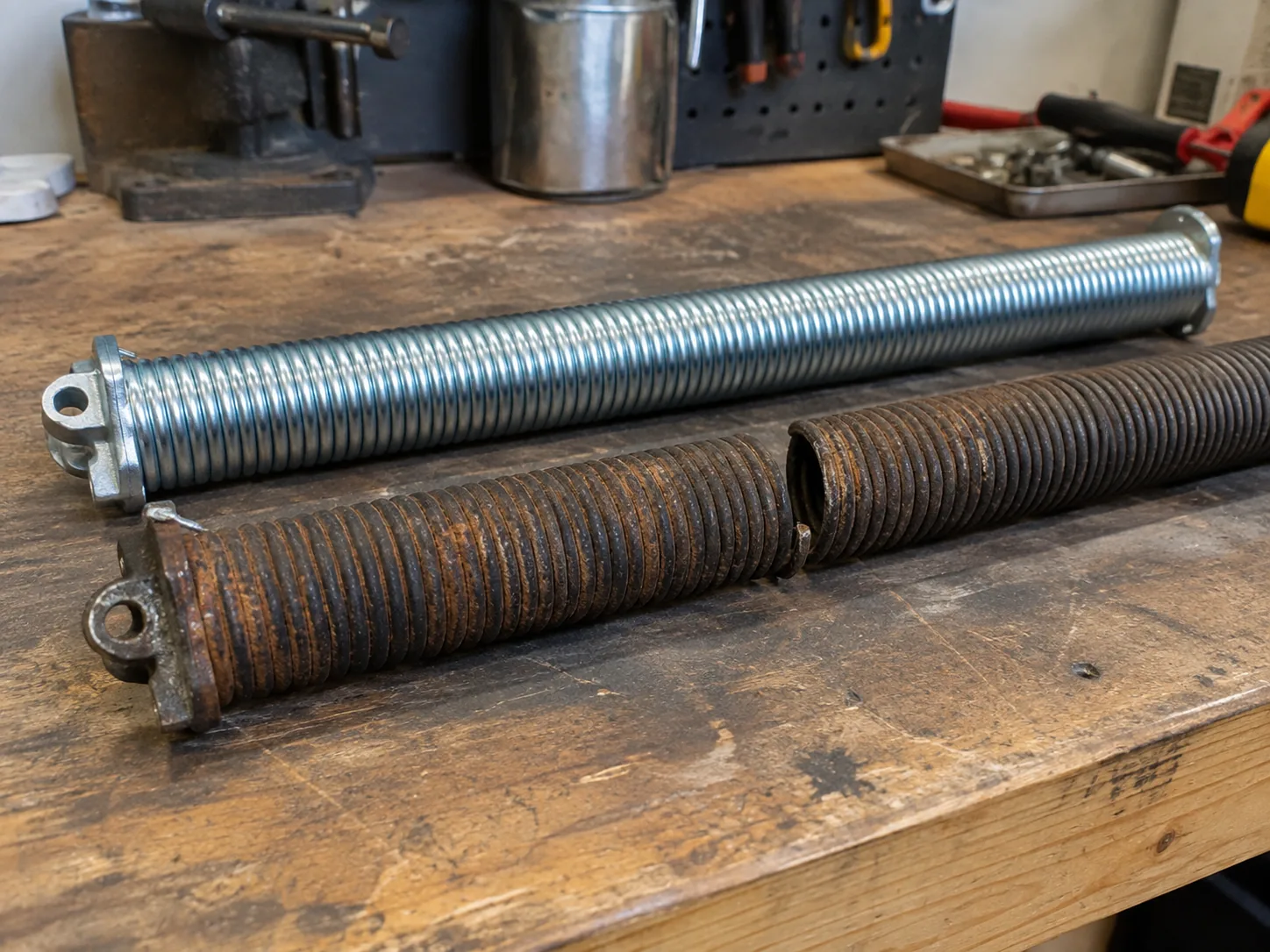
That older stock tends to run single-car openings, sometimes with headroom too tight for a standard extension spring setup. We carry common torsion spring sizes, standard track sections, and steel sectional doors in the widths that fit older single-bay framing.
What we don't keep on the truck is anything built to match a specific vintage wood door or a nonstandard opening - if your garage was framed a little narrower or shorter than code allows now, we measure first and order to fit rather than force a stock size into it.
Local causes
A door installed when a house went up in the late 1950s was sized for a car and an opener that don't exist anymore. Framing, track spacing, and headroom in Nitro's older garages were built to a different set of assumptions than what a 2020s double-wide door expects. Add in the cold-moderate climate this whole valley sits in - freeze-thaw cycles that work on wood jambs and swell old track brackets - and you get openings that have shifted just enough that a straight swap-in doesn't work. It's not that these doors fail faster than anywhere else. It's that when they do fail, the replacement isn't a catalog match. That's the actual job here: fitting a modern door into a 1958 opening without tearing out the framing to do it.
Watch-outs
We come from Charleston, about 10 miles out, so an install here is scheduled, not a same-day drop-in.
That's fine for a planned replacement - most homeowners aren't racing the clock on a new install the way they would be on a broken spring - but it does mean we plan the trip and bring what the job needs the first time, because a second trip for a missed measurement costs everyone time.
The other complication is the opening itself. On a house from 1958, we frequently find the framing narrower than current single-car code allows, or a header height that won't clear a standard insulated panel without shaving track. Neither is a deal-breaker, but both mean the estimate has to account for carpentry, not just the door.
Pricing
We don't post a flat number here because a new install on a house this age isn't a flat job - it depends on whether the opening needs reframing, whether you want an insulated door versus a single-layer steel one, and what the existing track and header can take without modification. At a median household income of $52,247, Nitro runs below the $61,160 median across the wider service area, and we've found that shapes the choice more than the door style does - a lot of owners here go with a solid steel door over a higher-end insulated model, and that's a reasonable call on a garage that isn't heated. We'll walk the opening with you and give a number before anything gets ordered.
Warning signs
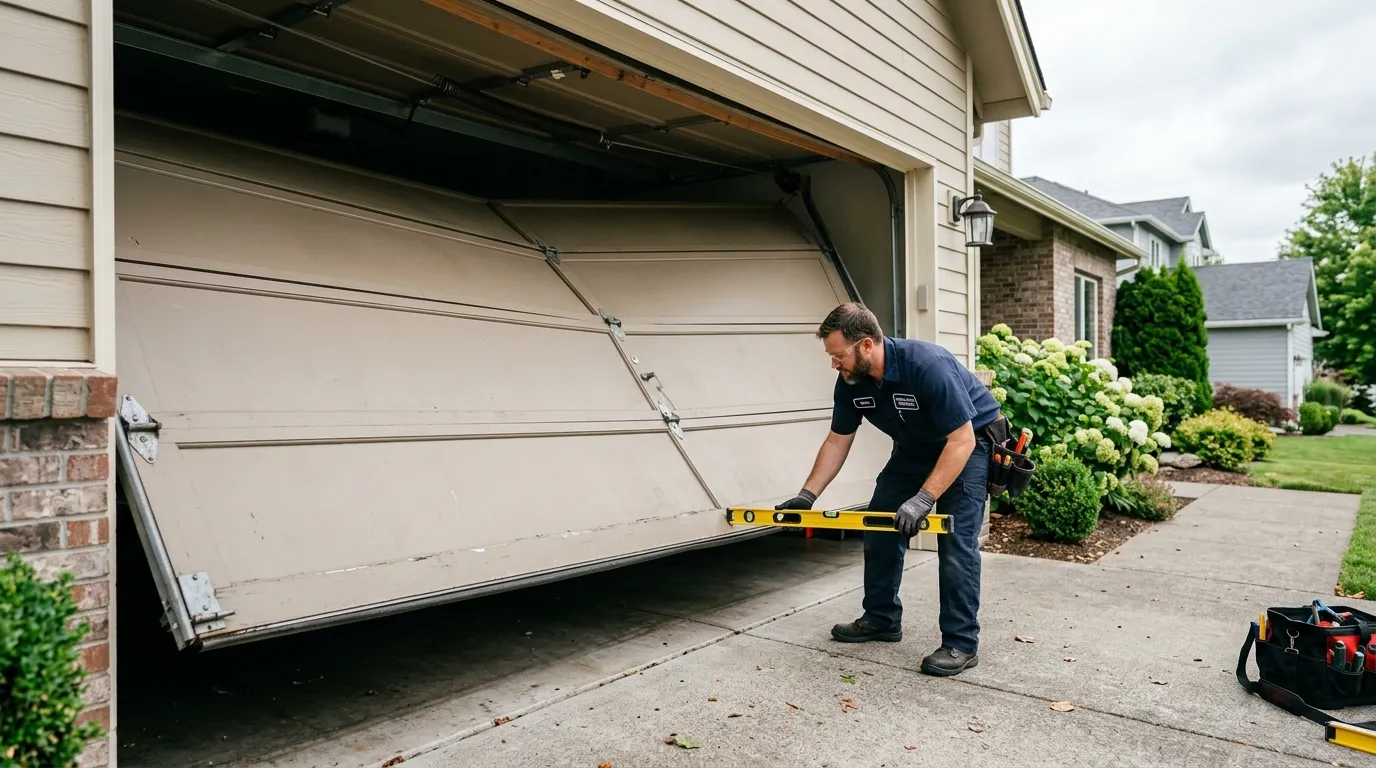
On a lot of Nitro garages, the tell isn't a broken door - it's a door that never quite matched the opening to begin with.
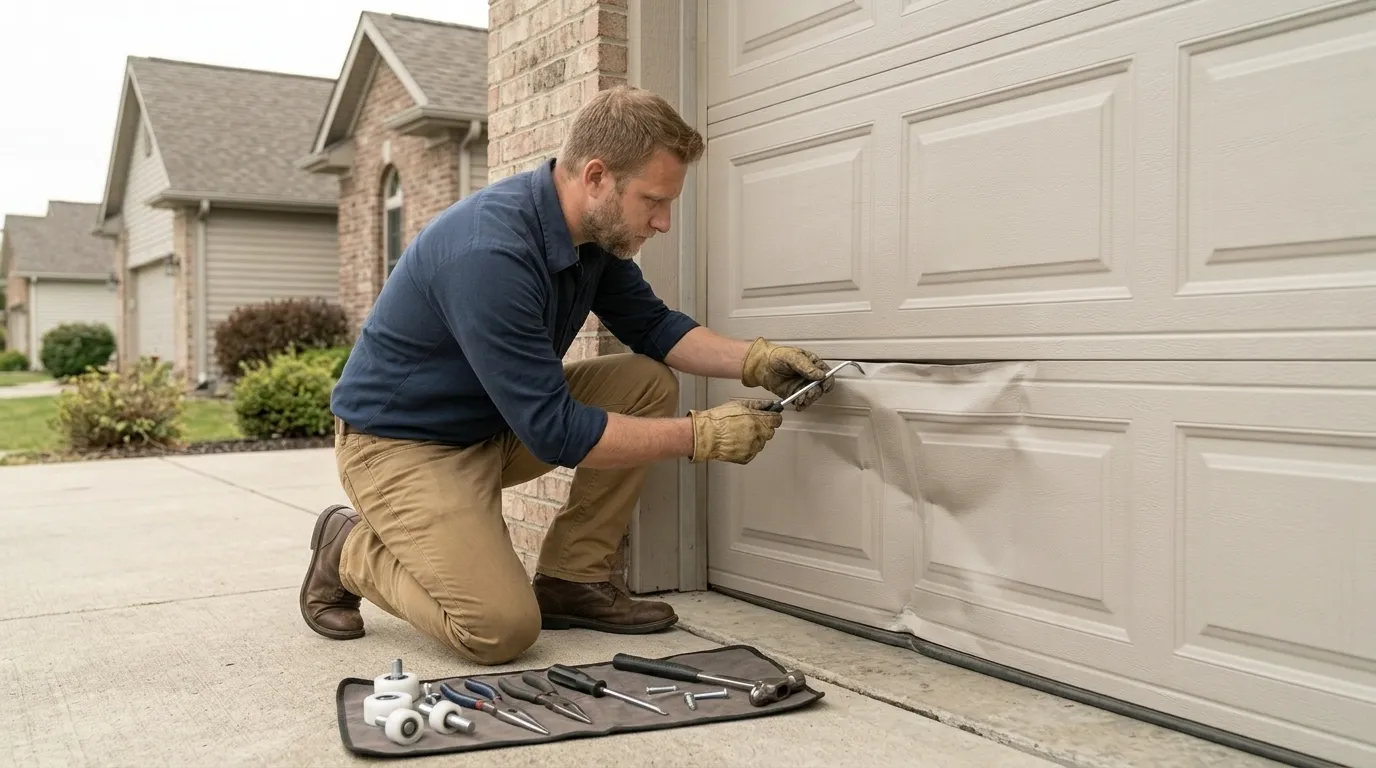
You'll see daylight along one side of the frame, a door that drags on the track going up, or trim that's been shimmed and reshimmed over the years to keep the seal tight.
Sometimes it's simpler: the door still works, but it's a single-layer panel from decades back with no insulation, and the garage is fifteen degrees colder than the rest of the house all winter. Either way, by the time someone calls about installation rather than repair, they've usually already patched it once or twice.
Our process
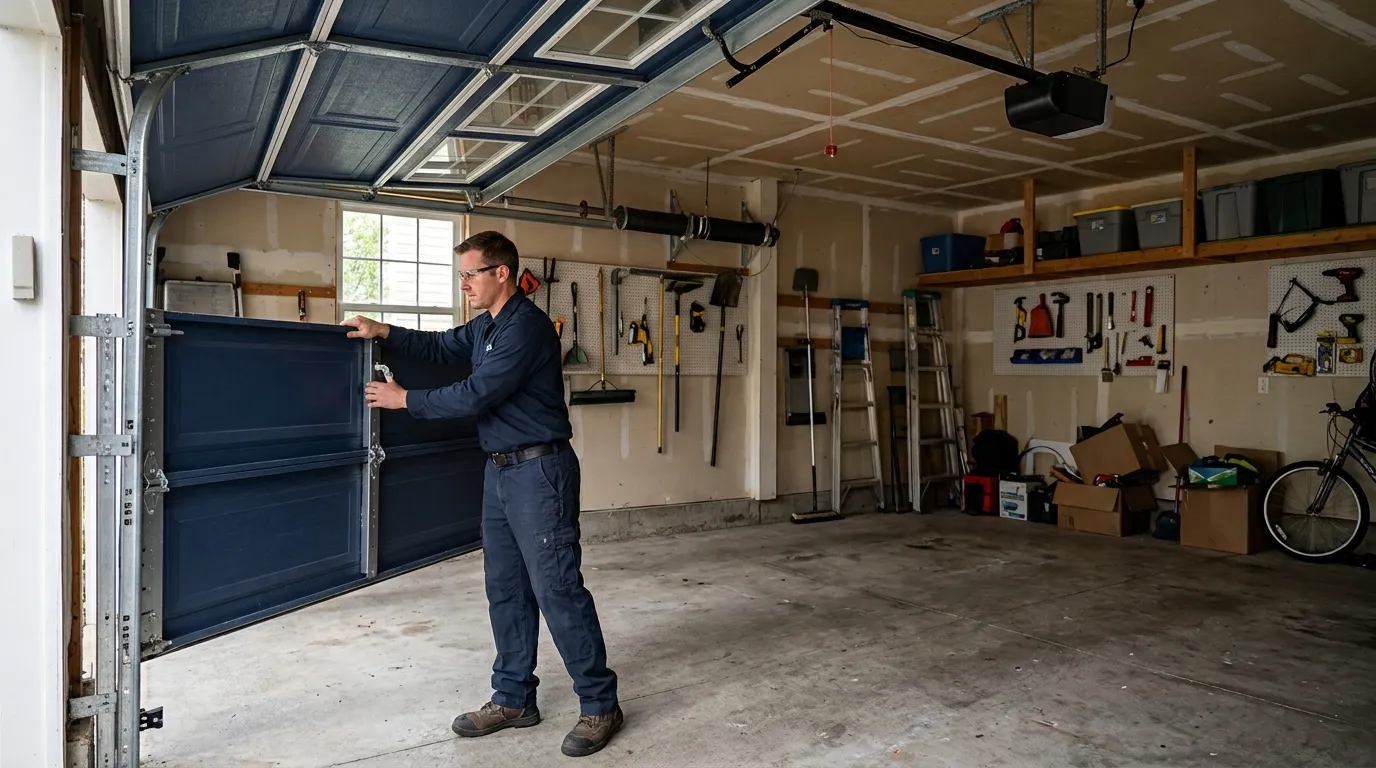
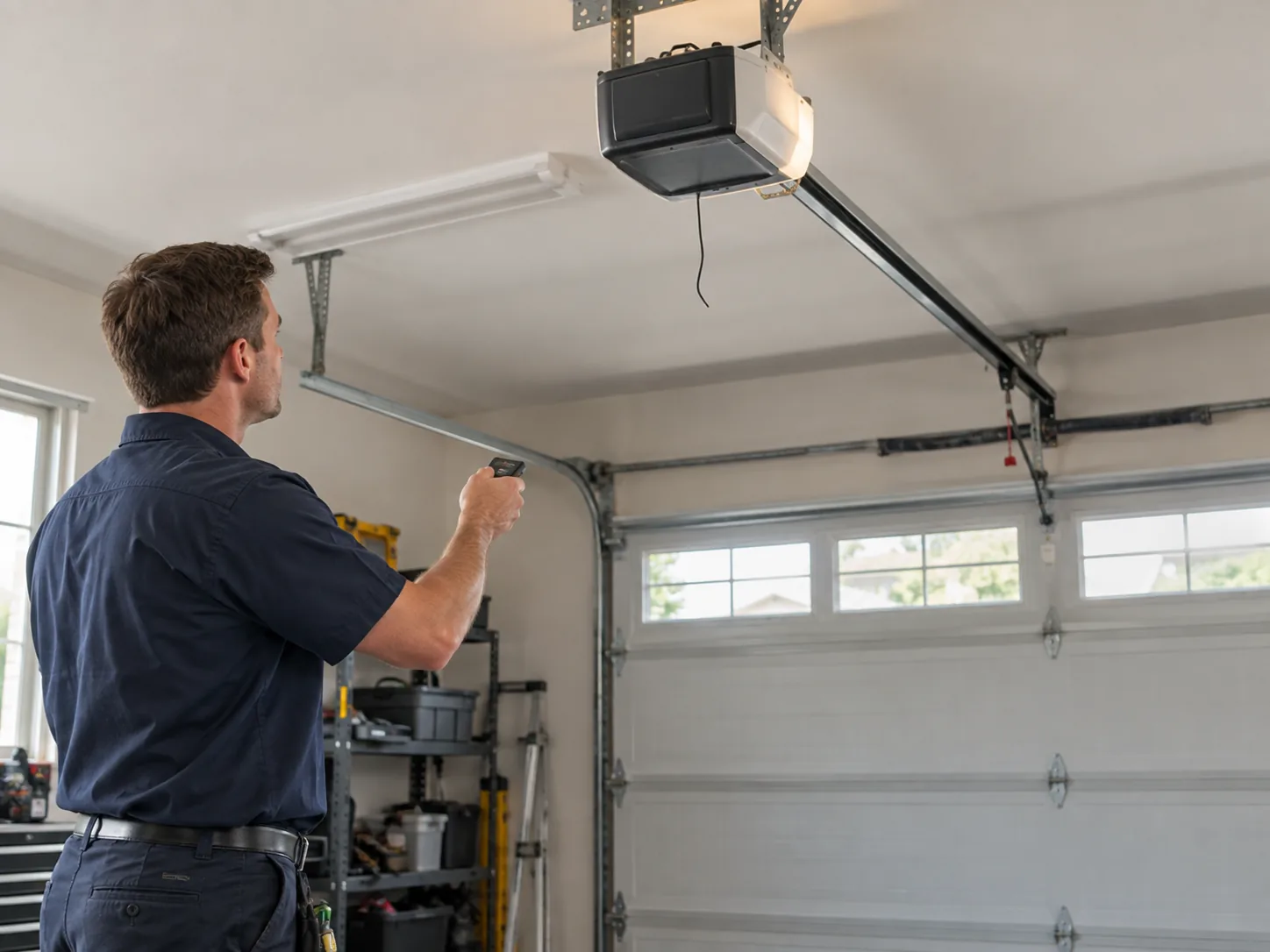
We start with the opening, not the door - measuring header height, jamb width, and track clearance against what the house was actually framed for in 1958, then match a door and hardware set to that instead of the other way around. If the opening's tight, we tell you upfront whether it needs minor carpentry or whether a smaller door width is the simpler fix. Installation itself is a day's work in most cases: old door and track out, new jambs squared if needed, new door, opener, and safety sensors set and tested. One honest limit: if the framing's badly out of square or rotted at the base, that's carpentry beyond a door swap, and we'll say so rather than install a door that won't hang right on it.
Questions
Often yes, but not always. A lot of houses here were framed in the late 1950s for narrower single-car openings and lower headroom than today's standard doors expect. We measure the opening before quoting so you know upfront whether it's a straight swap or needs minor framing work.
We stock common torsion springs, standard track, and steel sectional doors in typical older single-bay widths. What we don't carry is anything sized to a nonstandard vintage opening - those we measure and order specifically, rather than force a stock size to fit.
We're about 10 miles away, so installs are scheduled trips, not same-day drop-ins. That works fine for a planned new-door job since we bring everything the opening needs based on the measurements we take first.
It depends on what you're using the space for. A lot of Nitro homeowners choose a solid steel door over an insulated one because the garage isn't heated and the cost difference isn't worth it for storage or parking alone. If you work out there or it's attached to living space, insulation earns its keep.
Explore more
Ready when you are
Charleston Garage Door Pros repairs and installs garage doors, springs and openers in Charleston, WV and the surrounding area.