
Deadweight bottom-bracket heaviness
After that, the door either won't budge when you pull the release, or it drops fast and heavy the second you try to lift it by hand, because the spring that was supposed to carry most of that weight is gone.
Cross Lanes, Charleston
Cross Lanes homes went up mostly around 1975 - a different spring setup than older Charleston stock. We explain the failure, the fix, and what it costs.
Popular Services
Pricing
We don't quote a flat number for spring repair over the phone, and we're not going to make one up here. What a job costs depends on whether you've got a single torsion spring or a pair, whether the door is a lightweight single-car panel or a heavier double, and whether the cables and drums took damage when the spring let go. Houses in Cross Lanes mostly went up around 1975, which means a lot of them share the same door weight and spring class - but not all of them, because some have been swapped out for heavier insulated doors since. That's the honest limitation: we price it after we look at the door, not before. What we can tell you is that a broken spring job is one of the more predictable repairs in this trade - no drywall to open up, no guesswork about what's behind a wall. The tech sees the broken coil, matches it to the door's weight and cycle rating, and gives you a number before touching anything else.
Our process
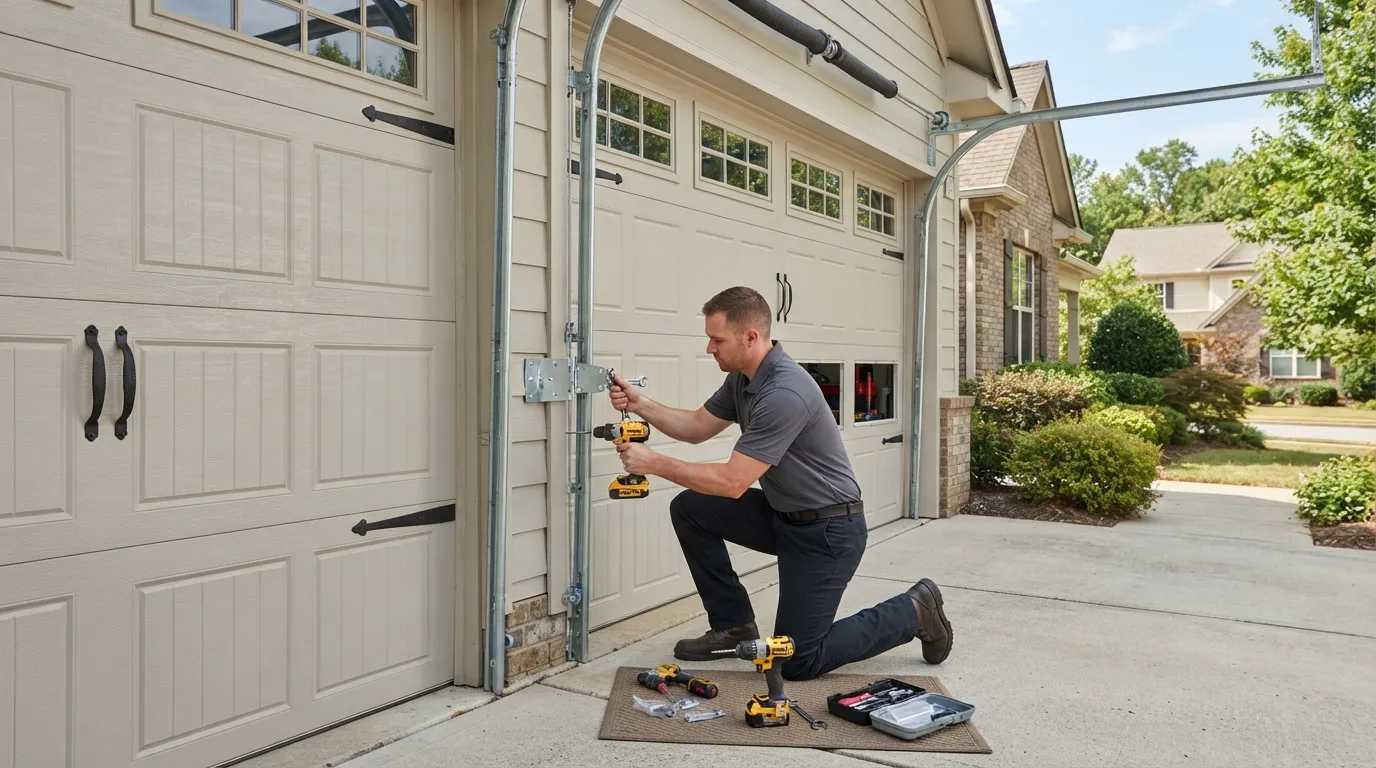
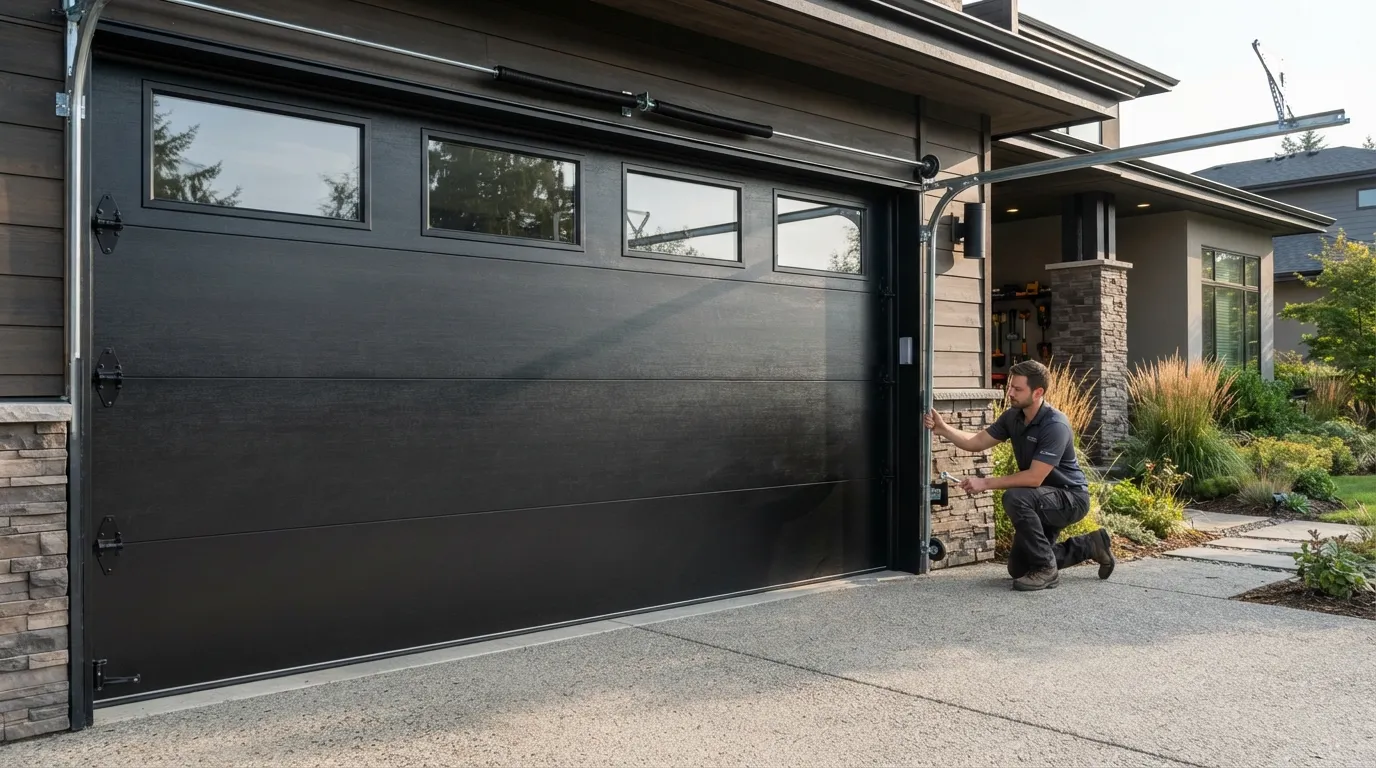
On a torsion system - standard on most doors going up in the mid-1970s - the spring sits on a shaft above the door, wound tight against the door's weight.
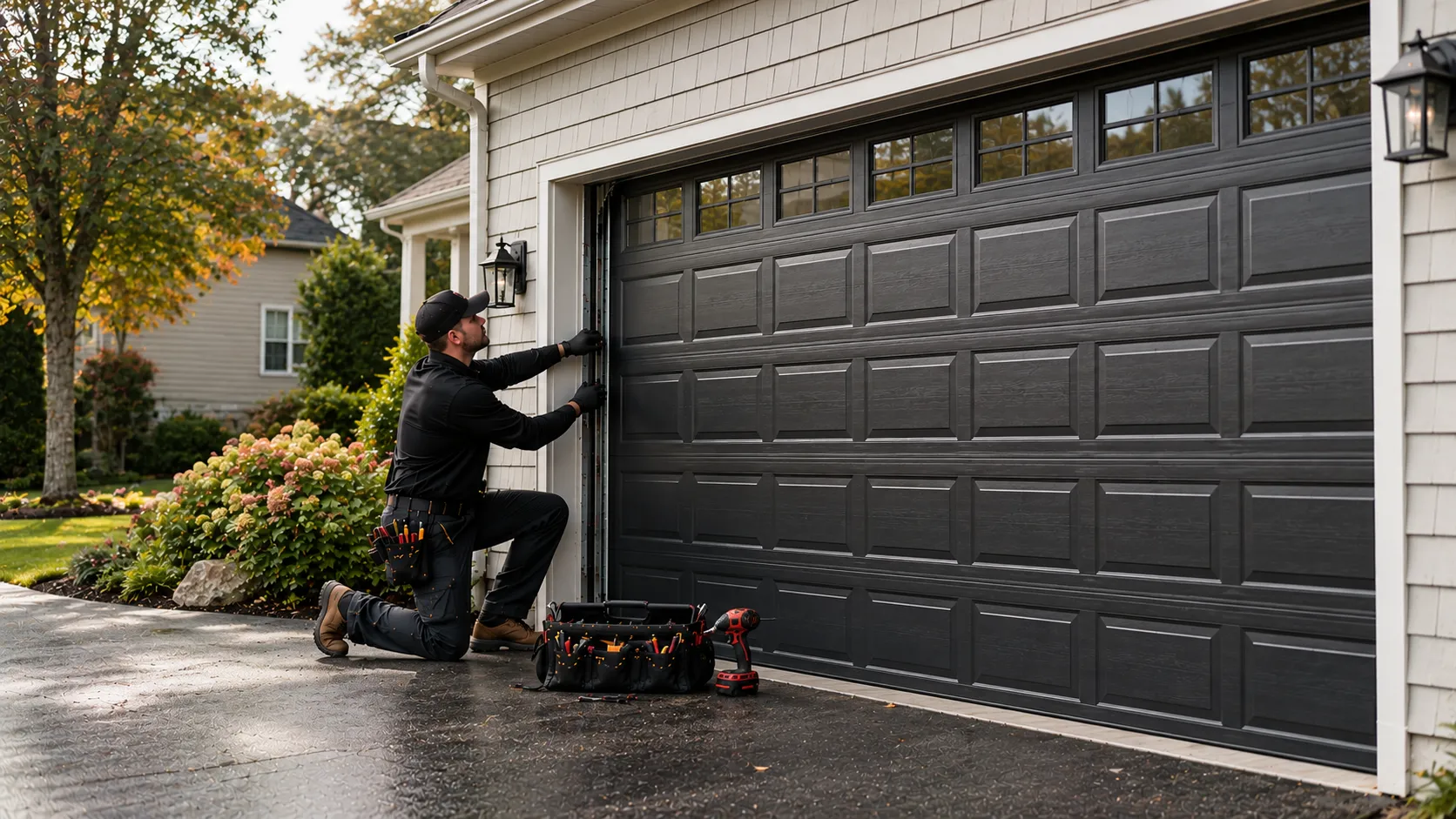
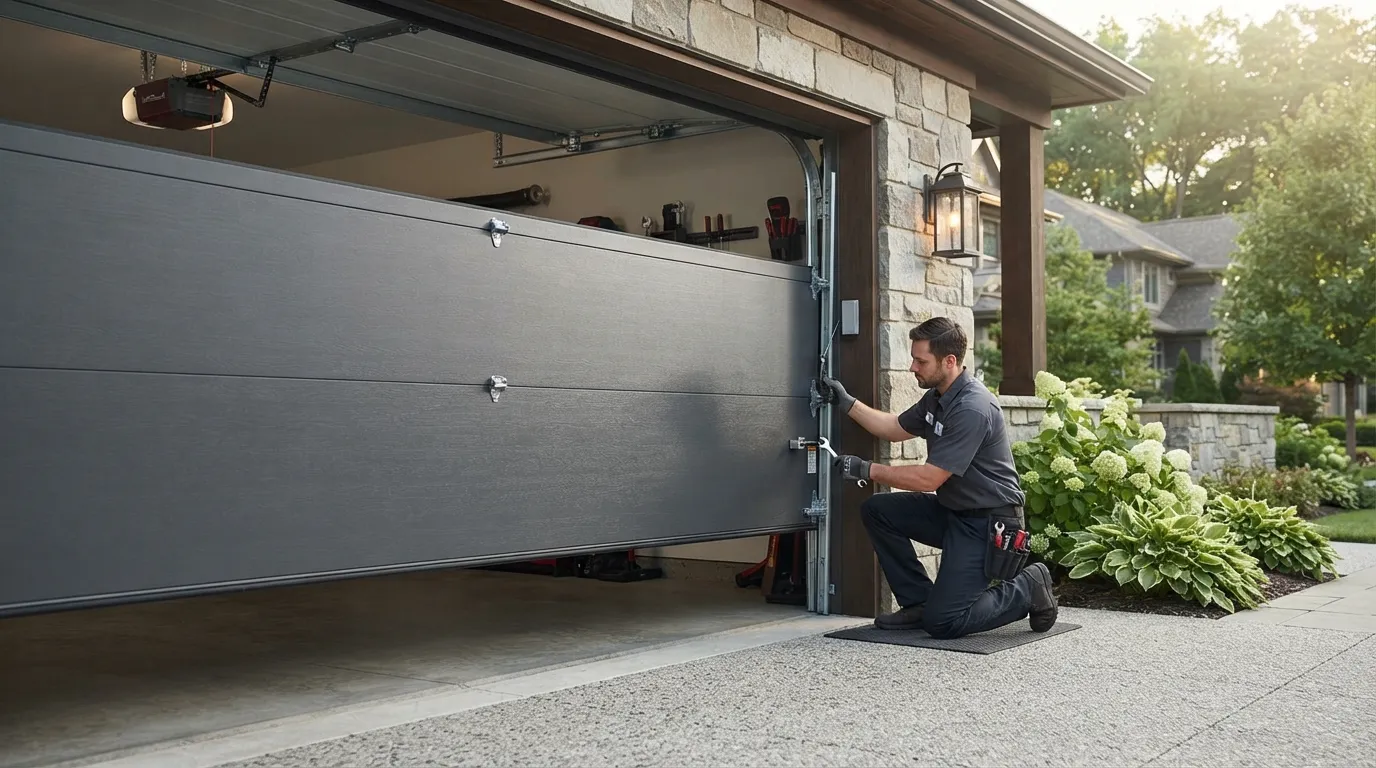
We unwind the broken spring safely with winding bars, pull the old one off the shaft, and install a matched replacement rated for the door's actual weight, not just a stock size.
We check the cables and drums at the same time, since a spring failure often puts a sudden shock load on both, and a frayed cable that isn't replaced now is next month's service call.
If your door still runs on an older extension spring setup - less common in this area's stock but not unheard of - the process is different: side-mounted springs along a horizontal track, replaced as a pair even if only one broke, because the other one is on the same clock. Either way we test the door's balance after the swap. A spring rated right but installed without rebalancing the door still wears the opener out early.
Local causes
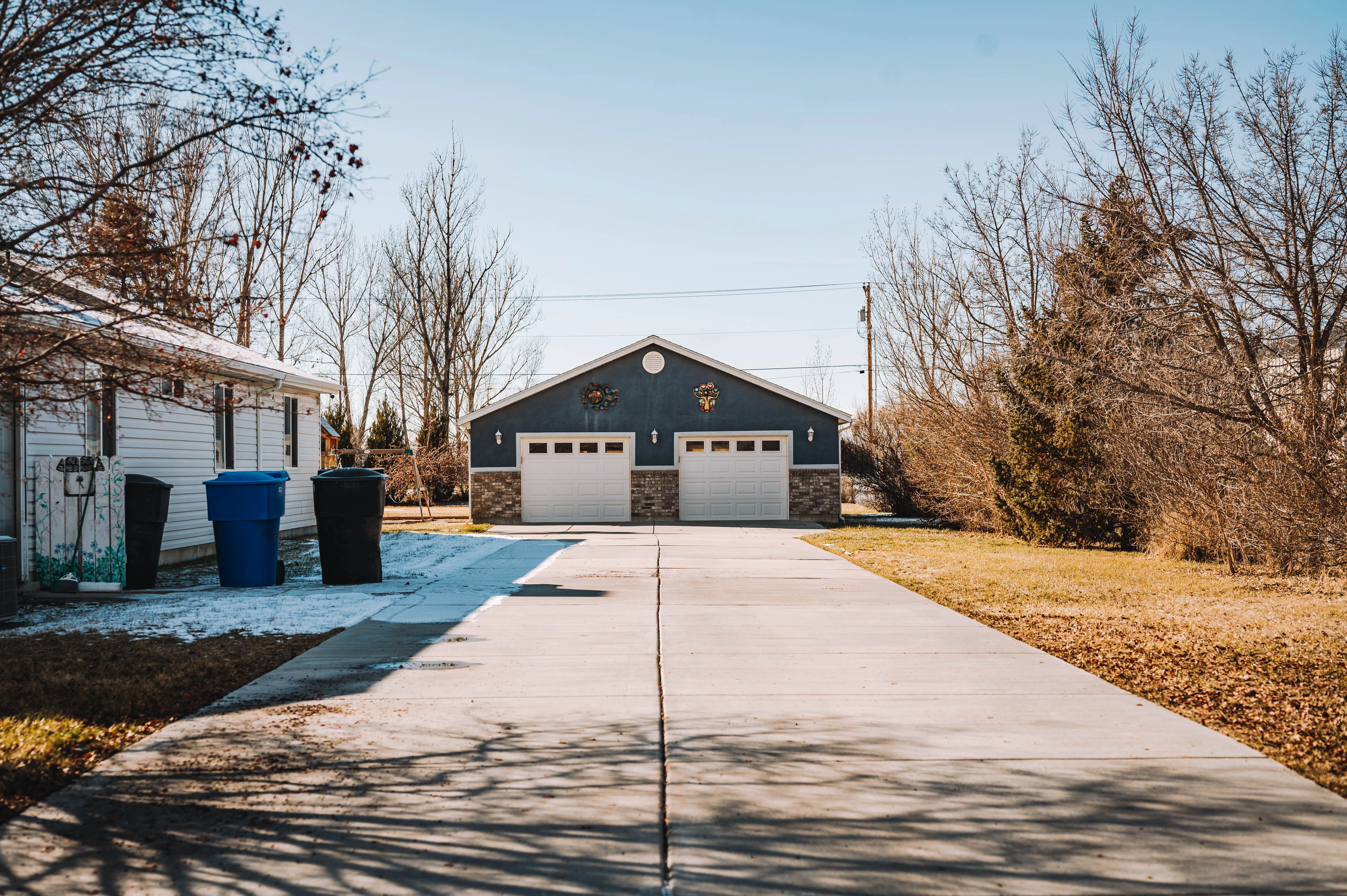
Cross Lanes' housing stock centers on 1975, a bit later than the broader Charleston service area's 1967 median. Torsion springs are rated for a set number of open-close cycles - usually somewhere around 10,000 - and a door used a few times a day starts closing in on that number after 40-plus years. That's exactly where a lot of Cross Lanes doors sit right now. It's not that anything was installed wrong; it's that steel fatigues on a schedule, and houses built in the same decade tend to hit that schedule around the same time. With roughly 4,744 households in this area, that's a meaningful number of springs all approaching the same wear point within a few years of each other. Add in the cold-moderate climate here - steel contracts in winter cold and that stress adds up over decades of freeze-thaw cycling - and you've got the two forces that actually break a spring: cycle count and metal fatigue, not one dramatic event.
Warning signs
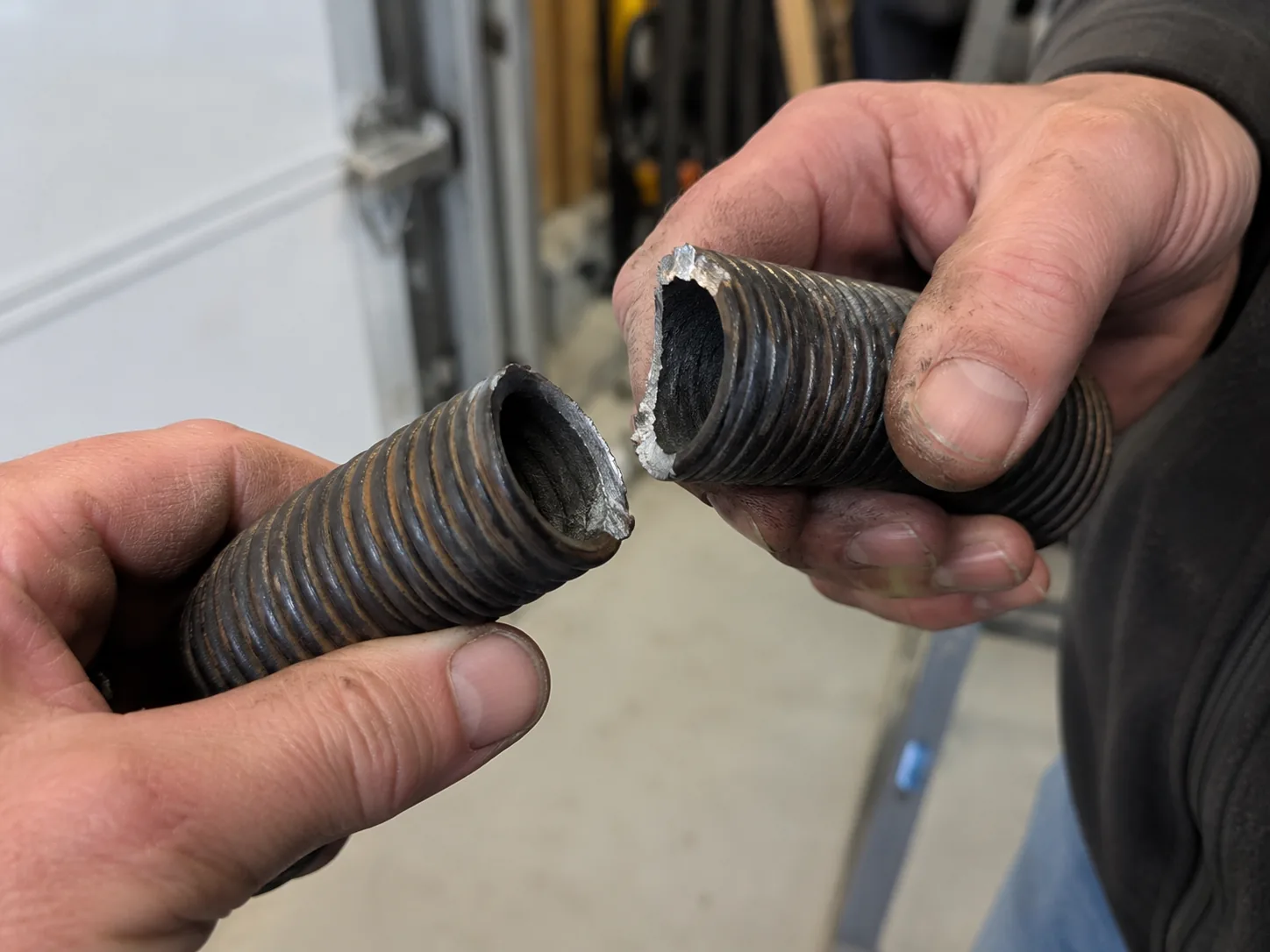
The classic sign is a loud bang from the garage, often when nobody's touched the door - that's the spring letting go under tension, not the door itself failing.
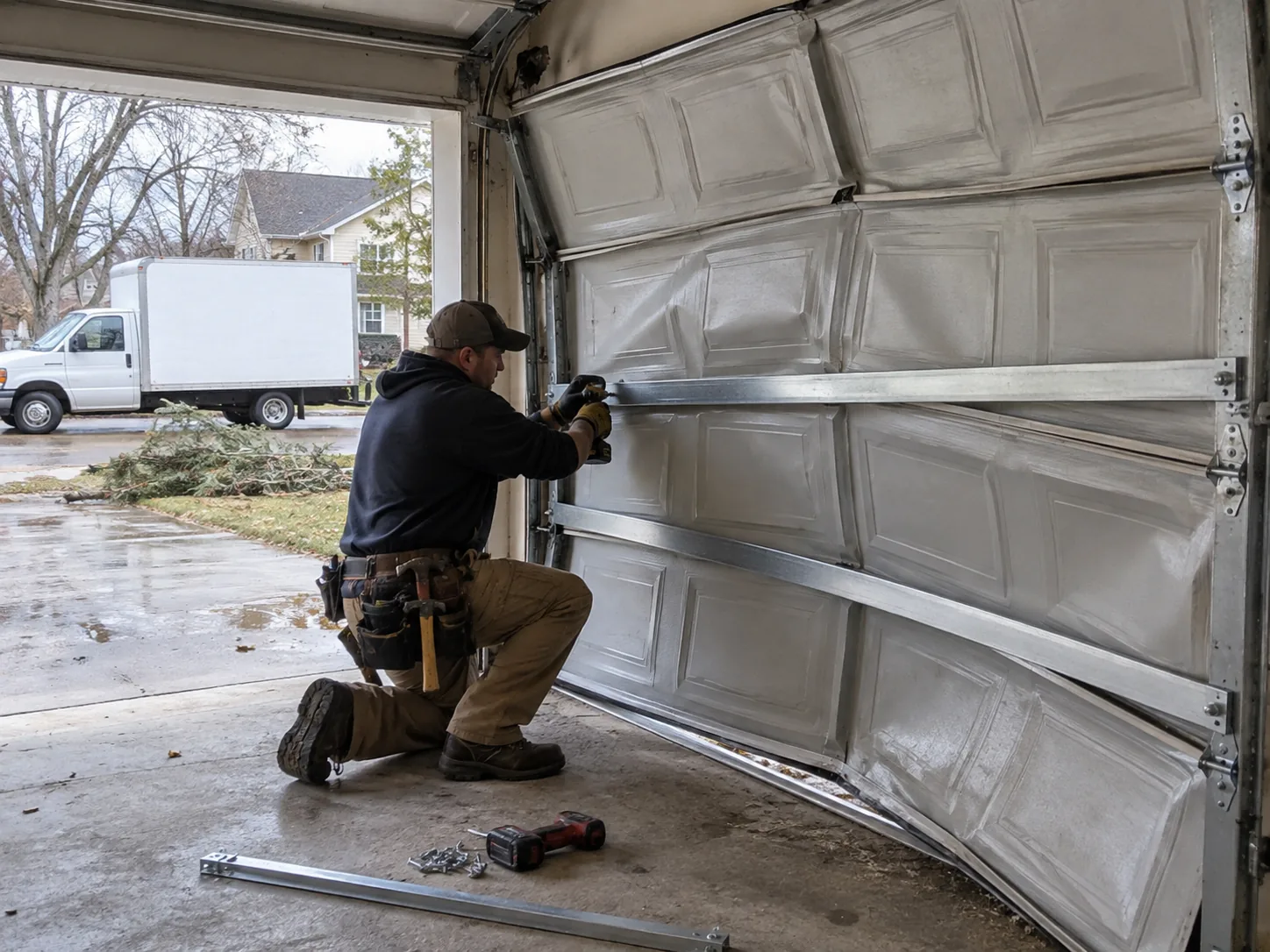
After that, the door either won't budge when you pull the release, or it drops fast and heavy the second you try to lift it by hand, because the spring that was supposed to carry most of that weight is gone.
Sometimes it's quieter: the opener strains, grinds, or stalls partway up, working harder than it should because the spring isn't doing its share anymore. If you see a visible gap in the coil on the shaft above the door, that's confirmation, not a guess.
Don't try to force the door open past that point - a broken spring means the door is now full deadweight, and the cables that are compensating for it are under load they weren't built to hold alone for long.
DIY or pro
We'll say it plainly: don't. A wound torsion spring holds enough stored energy to break a wrist or worse if the winding bars slip, and that's true whether the door is on a 1975 house or a brand-new one. This isn't like replacing a roller or tightening a track bracket. Even experienced DIY homeowners who've done other repairs around the house tend to draw the line here, and for good reason - the tools for safe winding aren't things most garages have lying around, and a spring rated wrong for the door's weight will just fail again, sooner. If you're comfortable and want to save a call, checking the cables for fraying or listening for grinding before it snaps is useful information to have ready when you do call. The spring swap itself isn't the DIY job.
Timing
Once a tech is on site, a straightforward single-spring torsion replacement on a standard door usually runs under an hour, including the balance check afterward. A double door with two springs, or one where the cables also need replacing, takes longer. We're coming from Charleston to reach Cross Lanes, so we're not going to promise a same-hour arrival - that's a real distance, not a formality, and we'd rather tell you that up front than have you waiting on a truck we said would be quick. Once the appointment's set, the repair part of the visit is the fast part.

Questions
Torsion springs fail from cumulative metal fatigue, not a single event, so there's rarely a warning beyond a loud bang when the coil finally gives. Houses in Cross Lanes are mostly from the mid-1970s, which means a lot of original or first-replacement springs are hitting that fatigue point around now, decades of daily use later.
On torsion systems we typically replace the one that broke, but we check the other for wear and tension since it's carried an uneven load since the failure. On older extension-spring setups, both get replaced together, since they're the same age and under the same stress.
Often yes - a spring swap is far cheaper than a new door, and most 1970s-era doors are structurally fine even after a spring failure. Replacement makes more sense if the panels are dented, rusted through, or the door's out of balance beyond what a spring and cable fix will correct.
Explore more
Ready when you are
Charleston Garage Door Pros repairs and installs garage doors, springs and openers in Charleston, WV and the surrounding area.