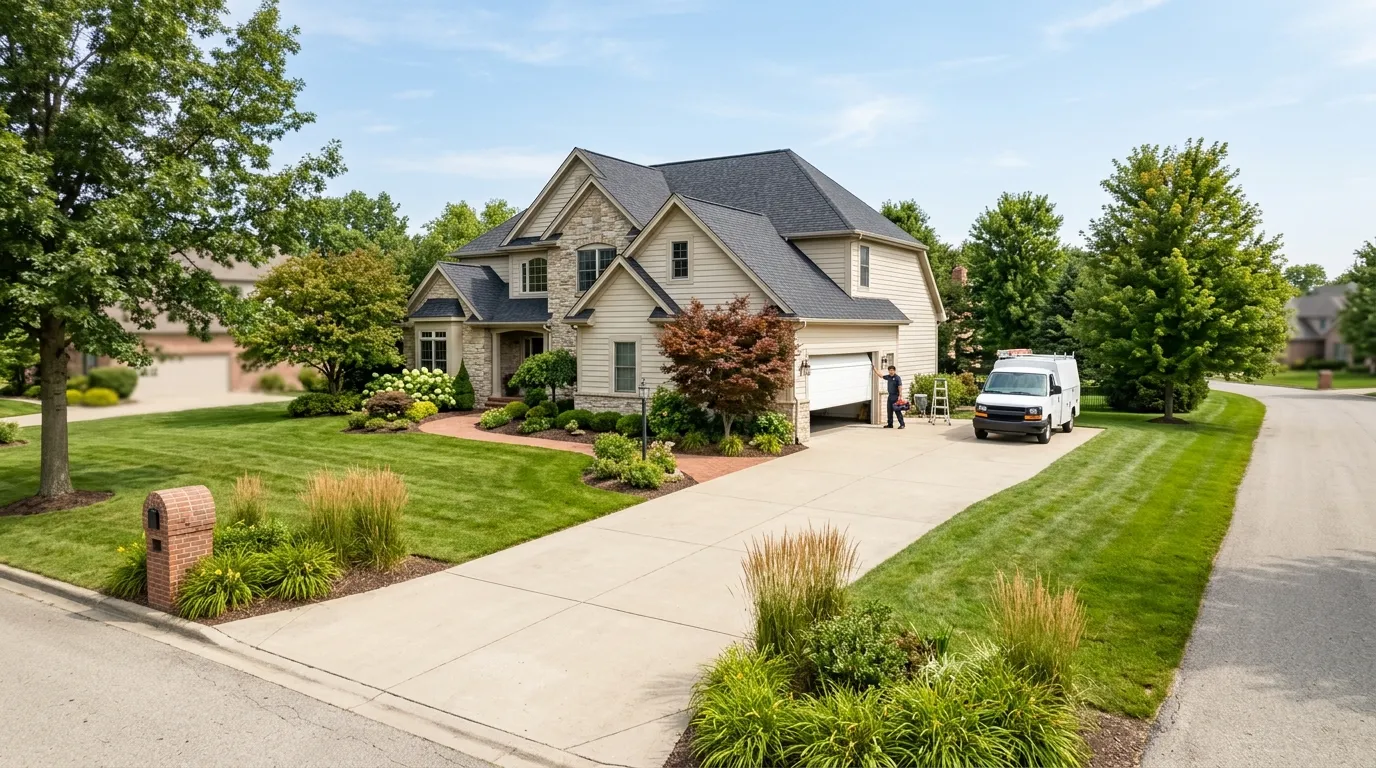
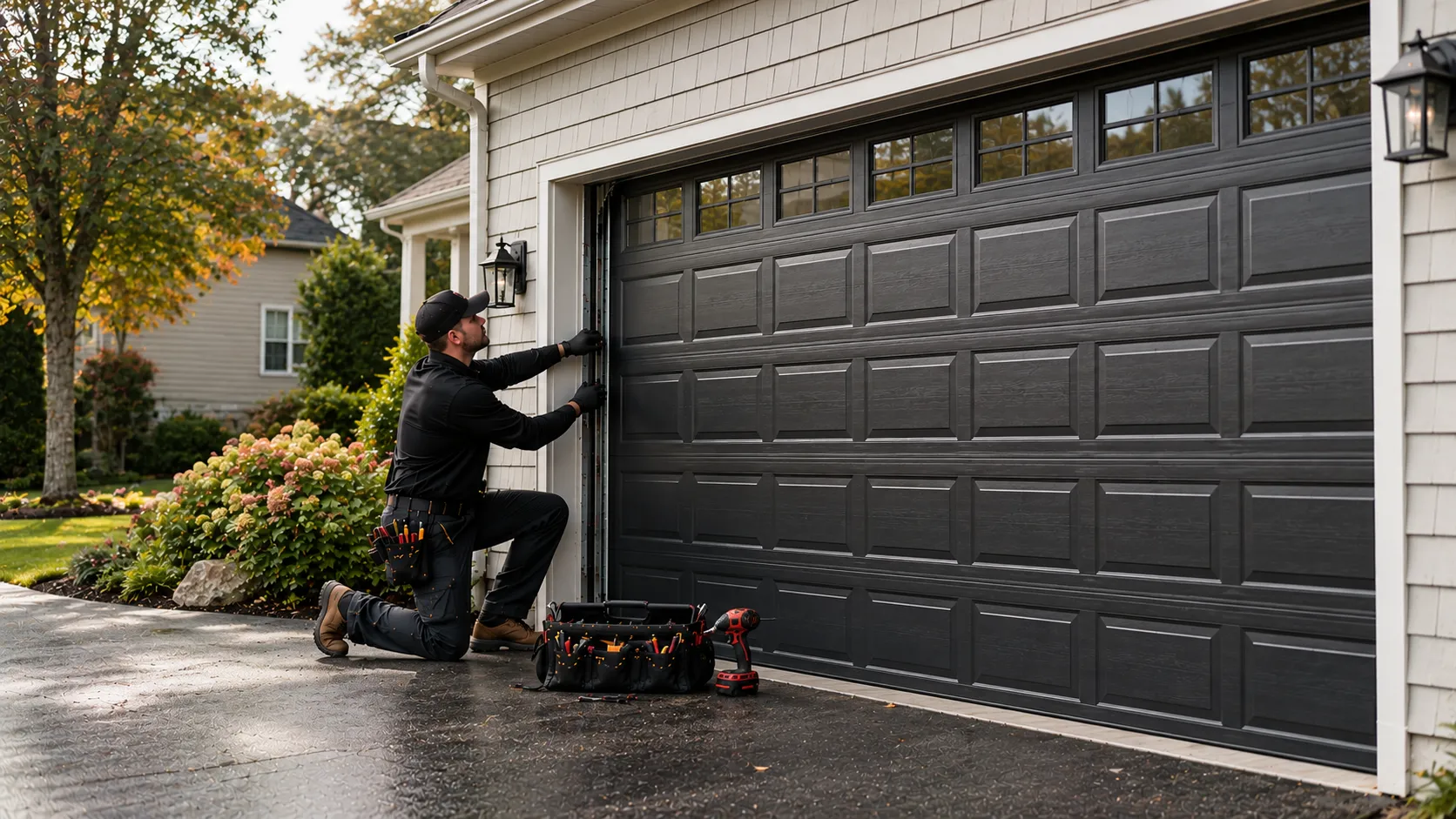
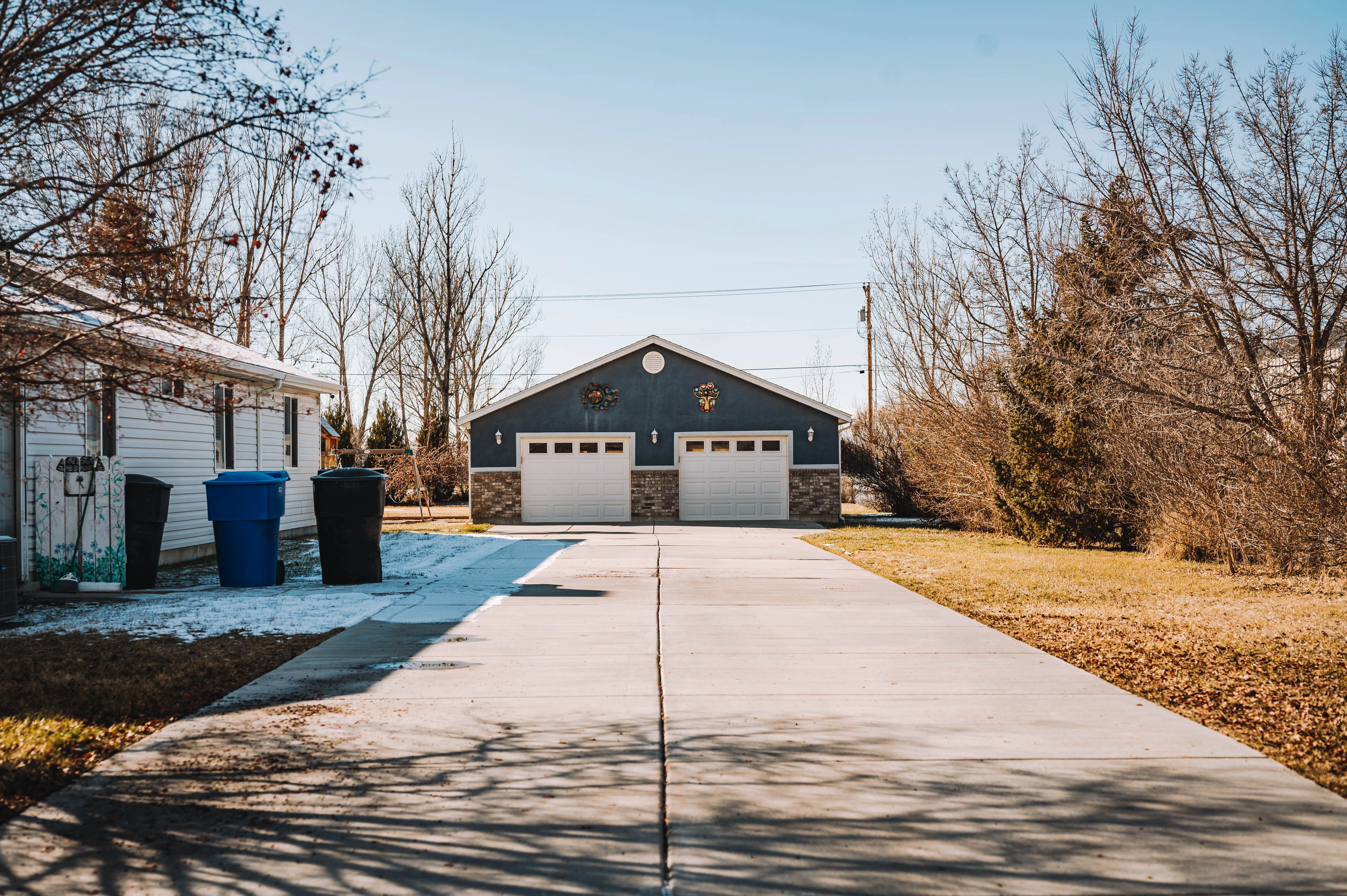
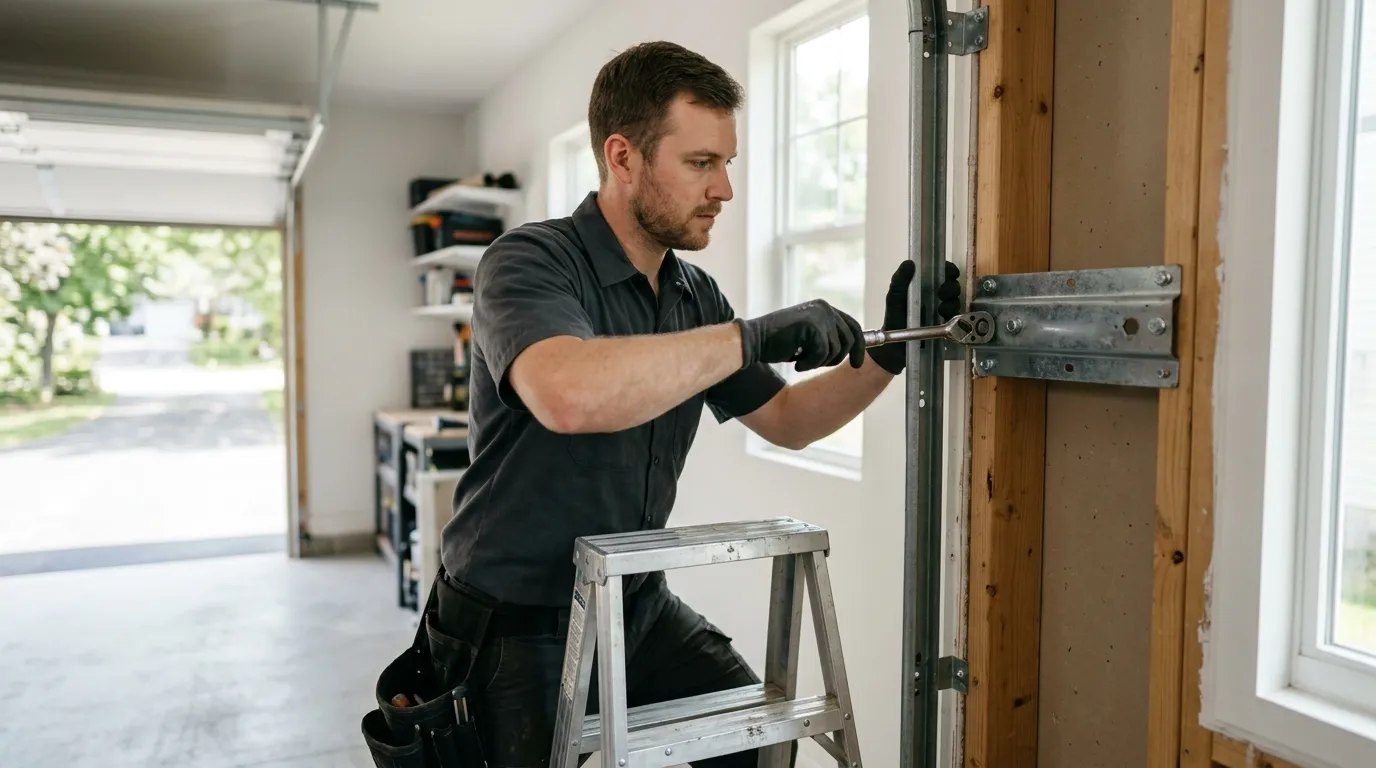
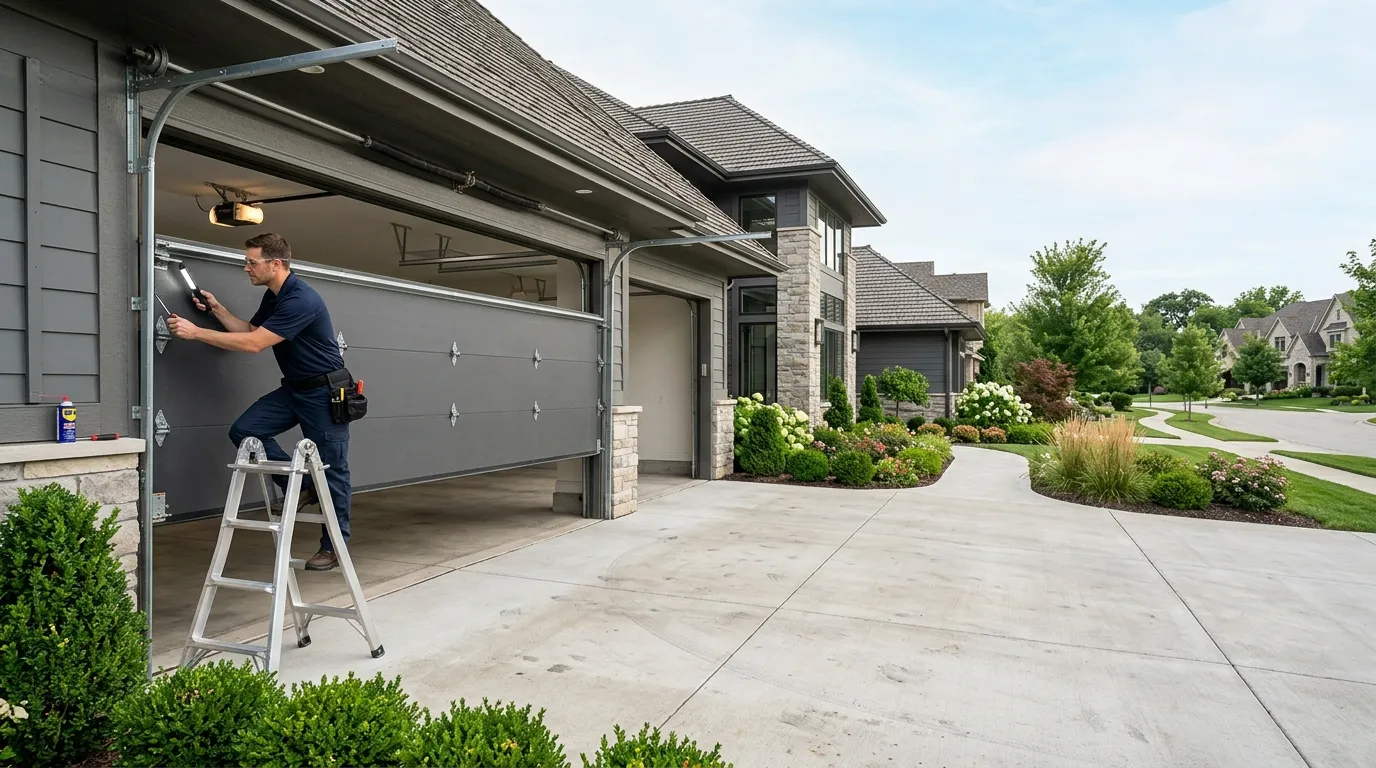
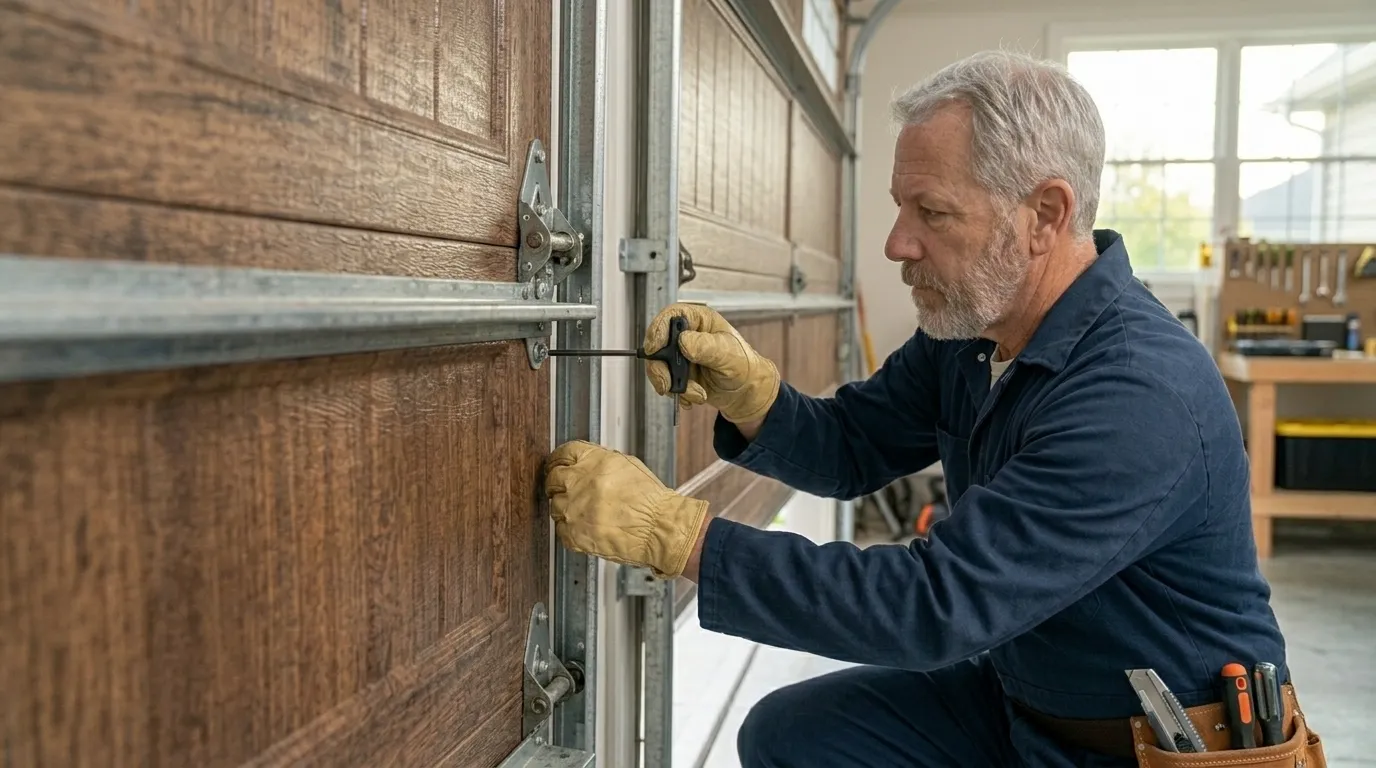
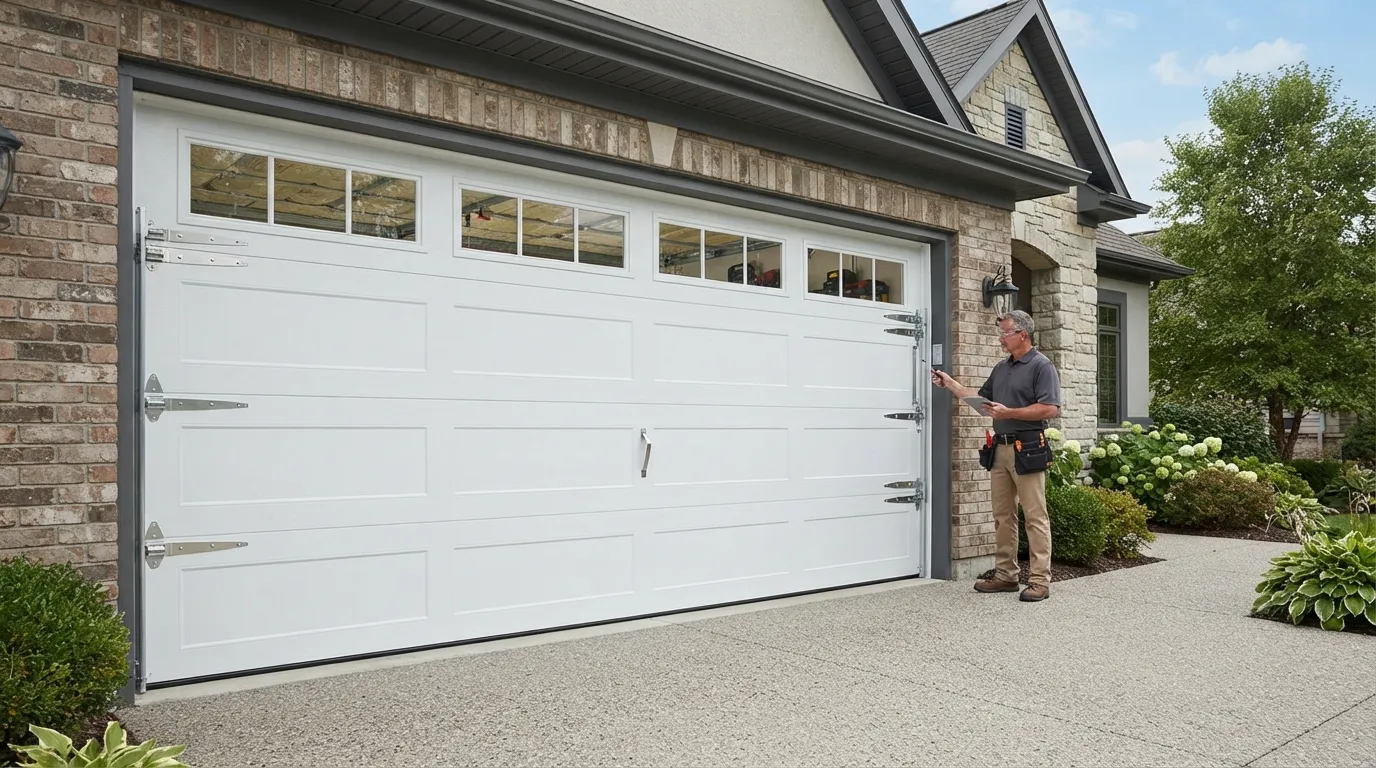
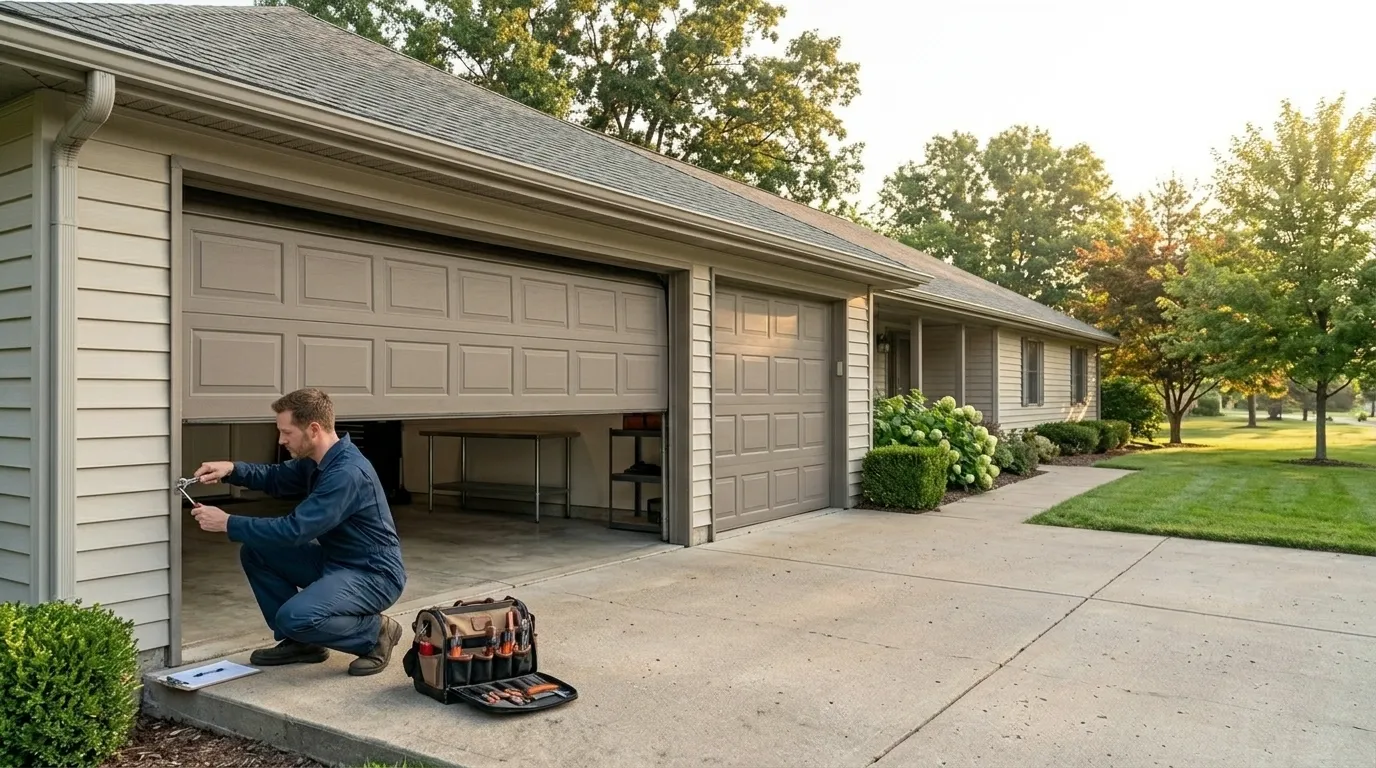
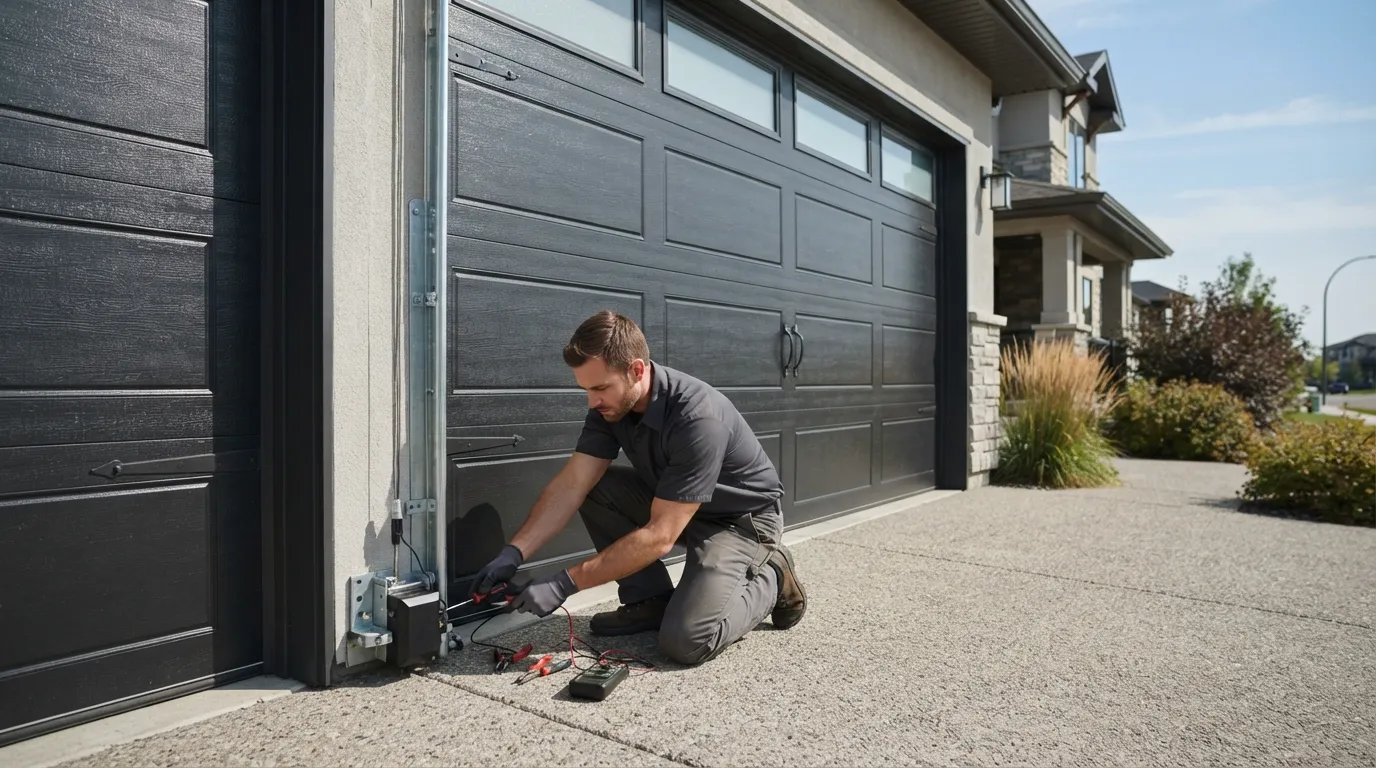
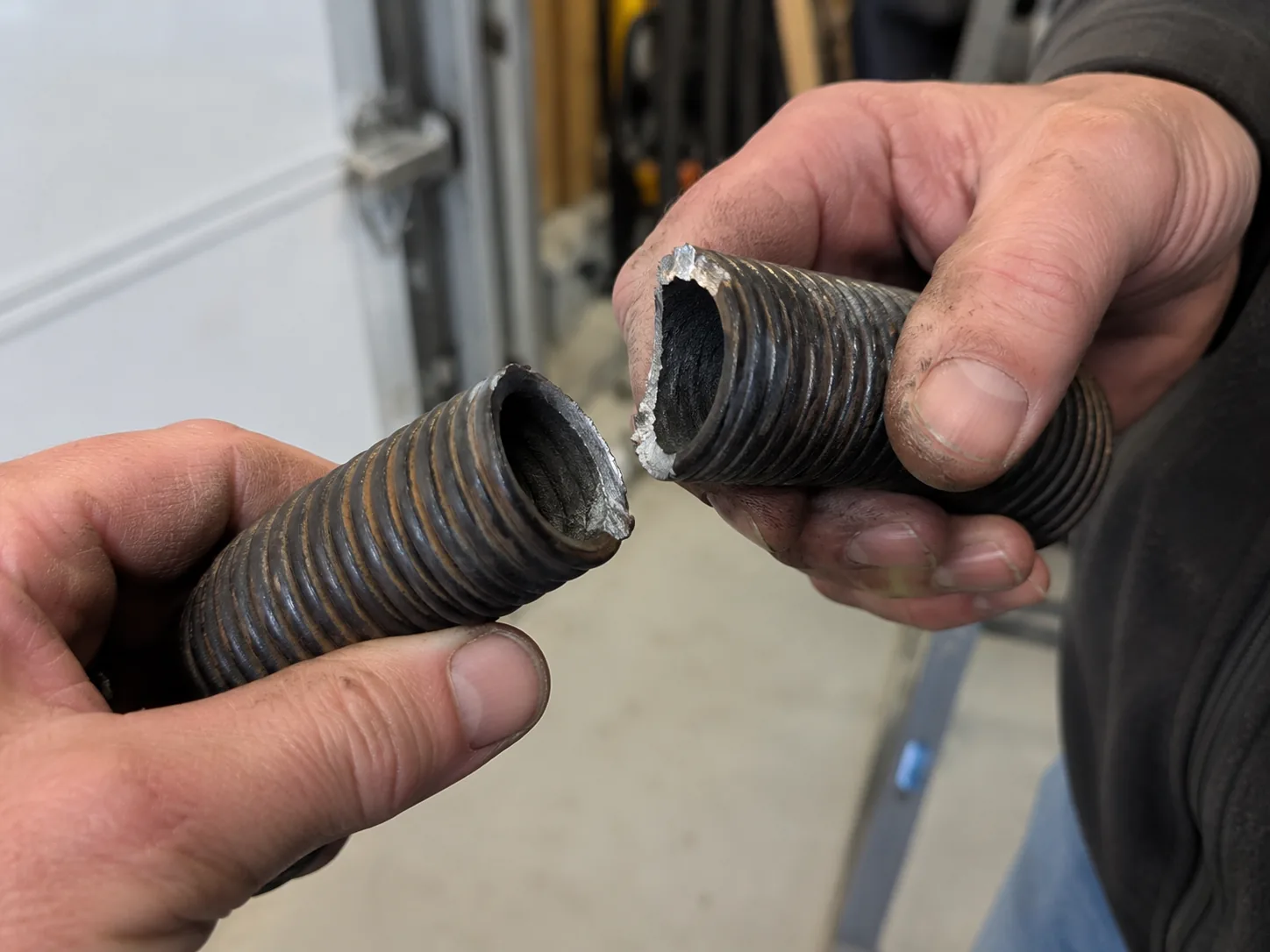
Households in this part of the county run wealthier than most of the wider Charleston area - median income here is well north of $106,000, against roughly $61,000 across the broader service area - and that shows up in the doors themselves: heavier steel sections, insulated cores, wider double-door bays built for two vehicles instead of one. Heavier doors put more load on torsion springs, and a spring built for a heavier double door still only has so many cycles in it before it fatigues and snaps, usually without warning and usually on a cold morning.
The climate band here runs cold-moderate, which means real freeze-thaw cycles every winter. Cold tightens steel and thickens old grease in a torsion bearing, so a spring that's already near the end of its life is more likely to give out on a 20-degree morning than a mild one. It's not that Teays Valley doors fail more often than anyone else's - it's that a newer, heavier door built for this income bracket fails differently than the single-panel doors common on older stock closer to the city.