
Systematic repair sequence
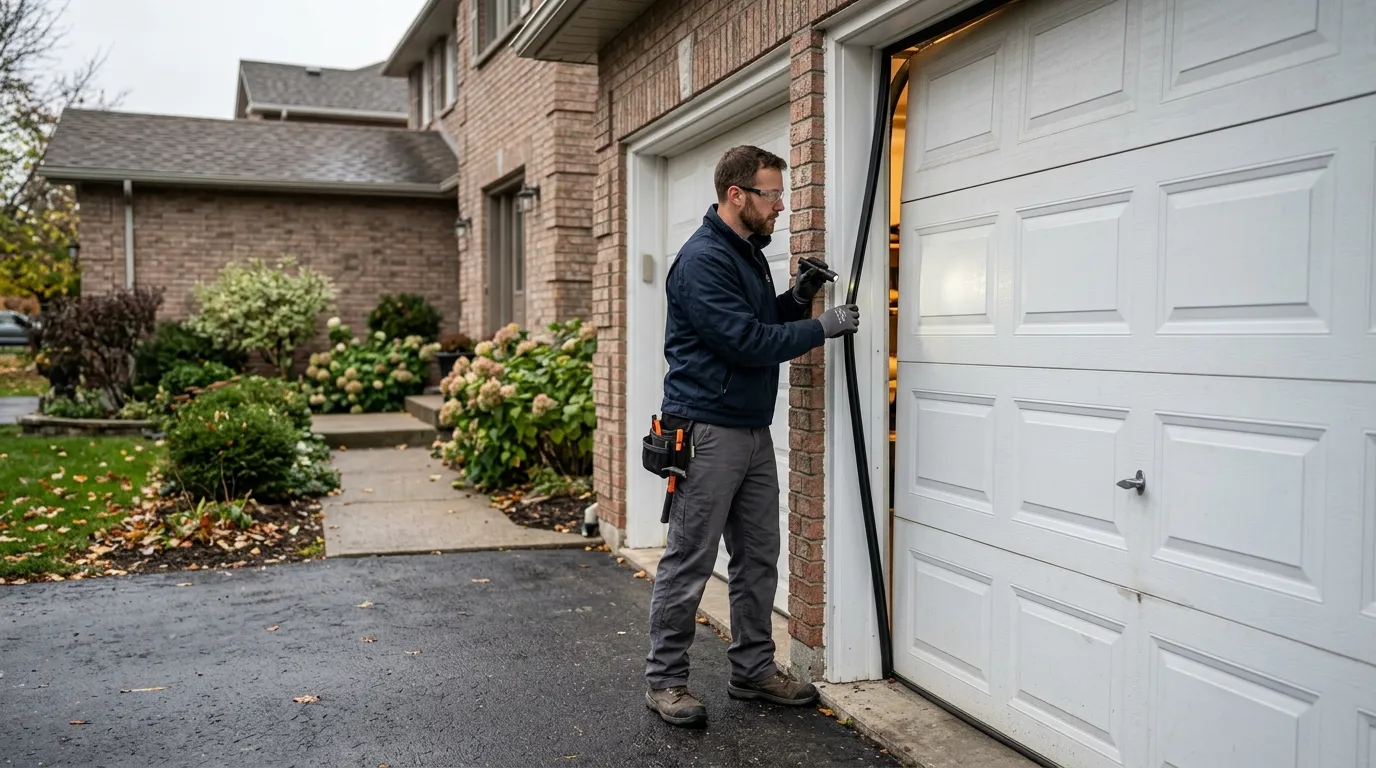
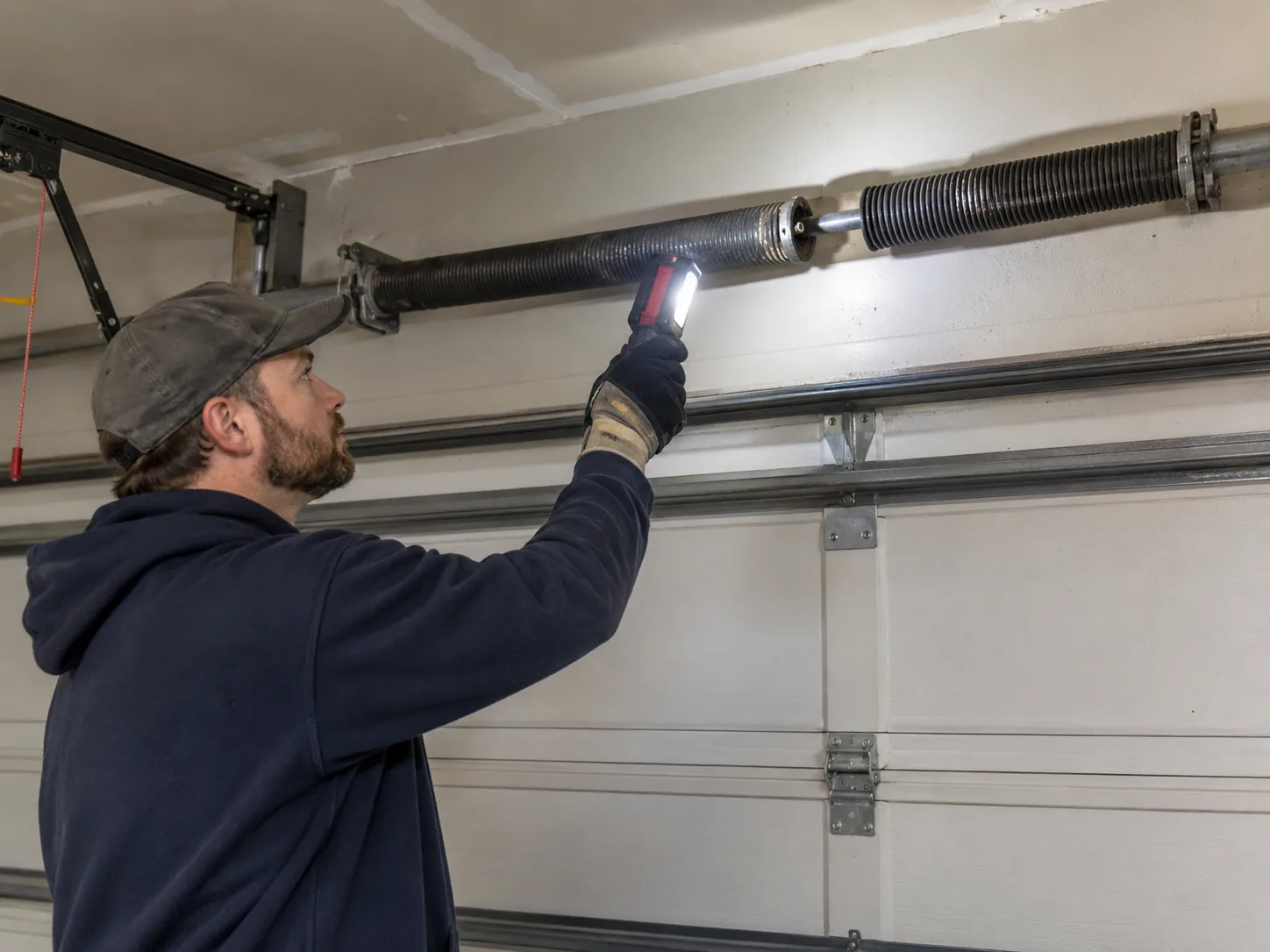
Once we're on site, the job follows the usual order: check the springs first, since a broken torsion spring is the most common reason a door won't move, then the cables, then the opener and track alignment.
South Charleston, Charleston
South Charleston homes date mostly to 1958, and at a $59,616 median income, most owners want the door fixed, not replaced. We cover the 4-mile run from Charleston.
Popular Services
Pricing
South Charleston's median household income sits at $59,616, a bit under the wider service area's $61,160. That gap matters more than it sounds like it should, because it's the line where a repair call makes sense and a full replacement doesn't. On a budget like this one, most owners are better served by fixing what's on the door - the spring, the opener, the track - rather than swapping the whole unit for something new. We don't quote a price here because it depends on what's actually broken and what parts the door takes, but the math tends to favor repair for houses in this income range unless the door itself is structurally shot. We'll tell you straight if a repair isn't worth it. That's rare, but it happens, usually on doors that have already been patched twice.
Our process
We come from Charleston, four miles out, so there's no separate branch or crew based in South Charleston - just the same trucks making the short run over.
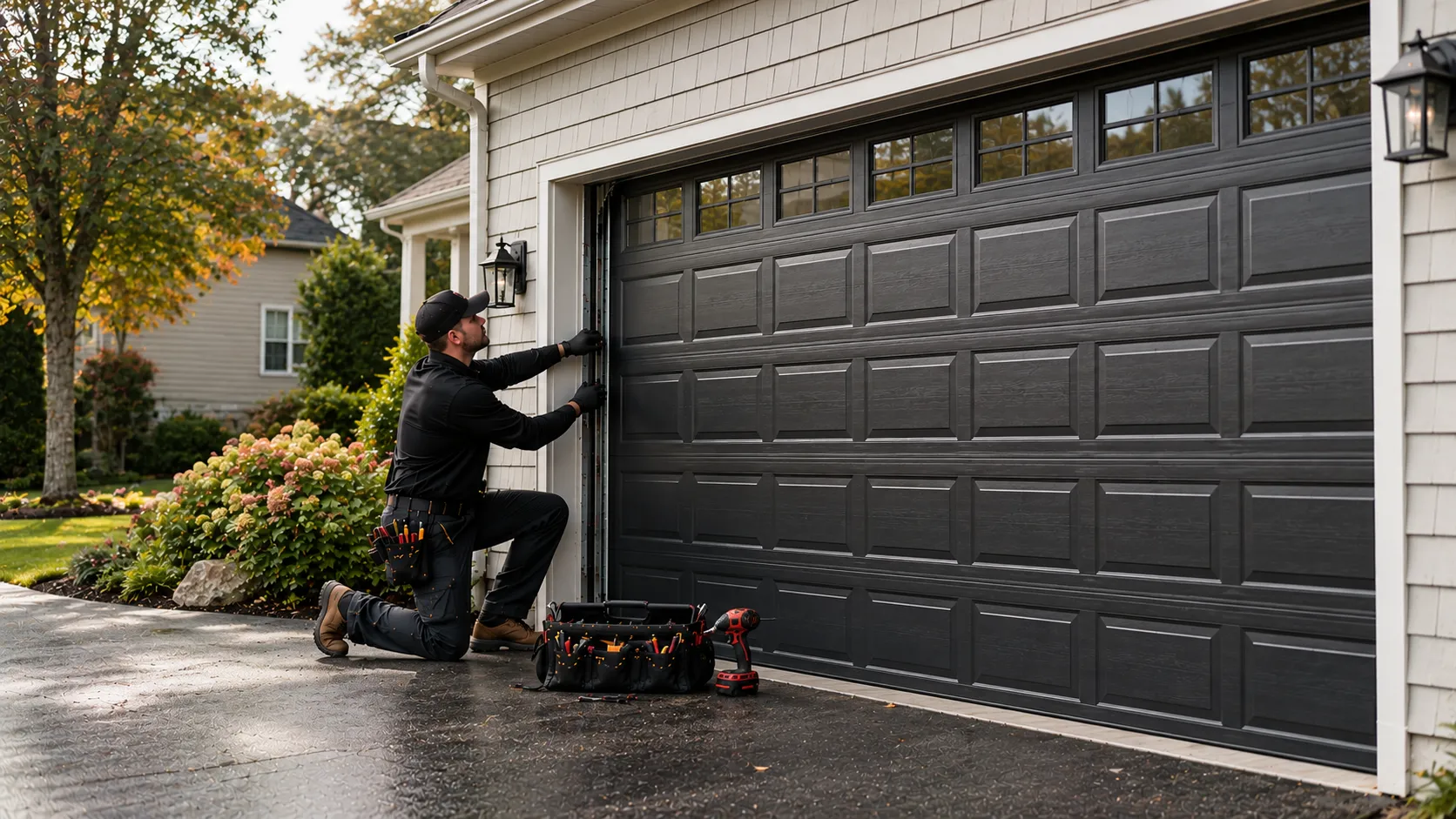
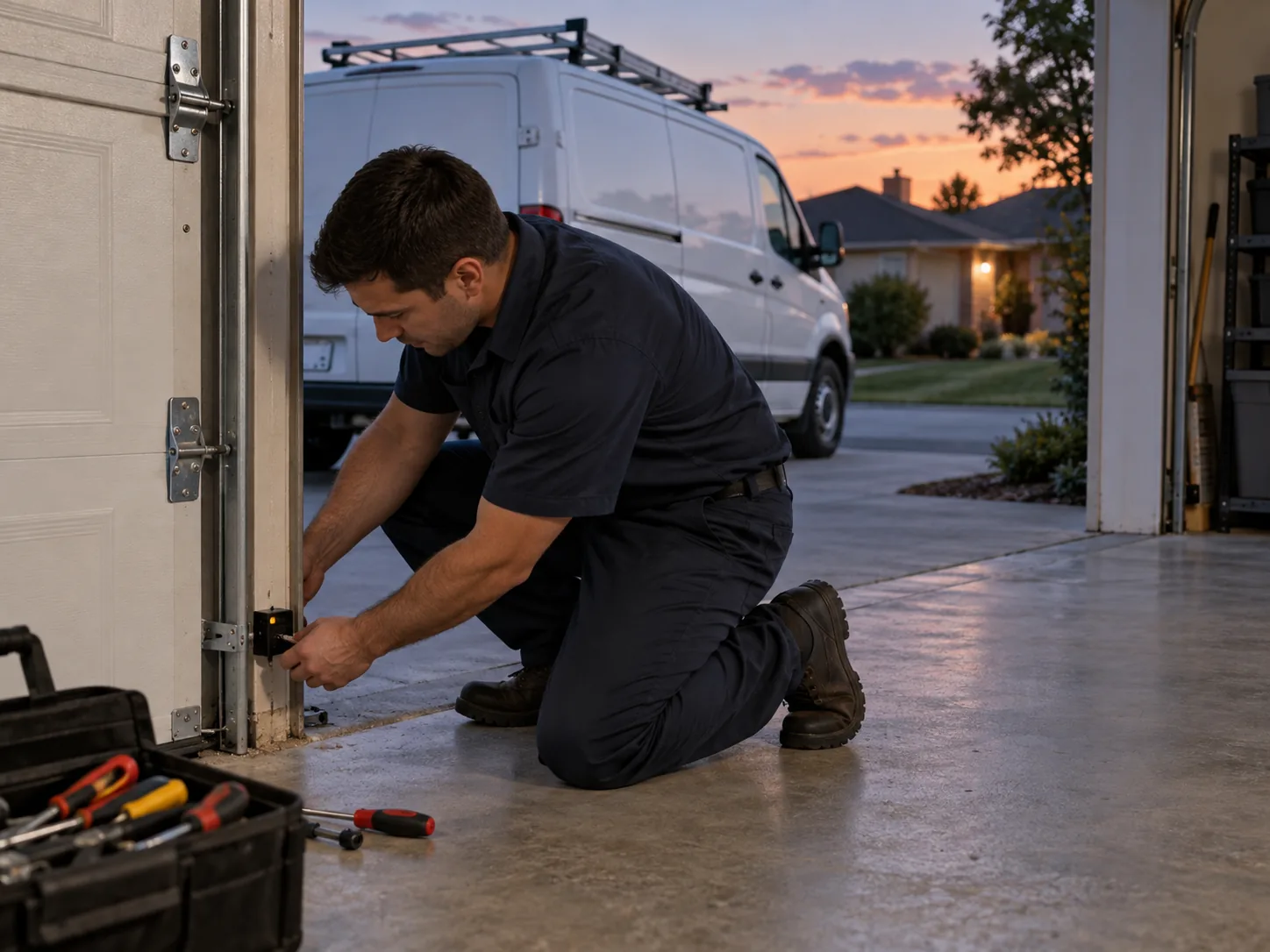
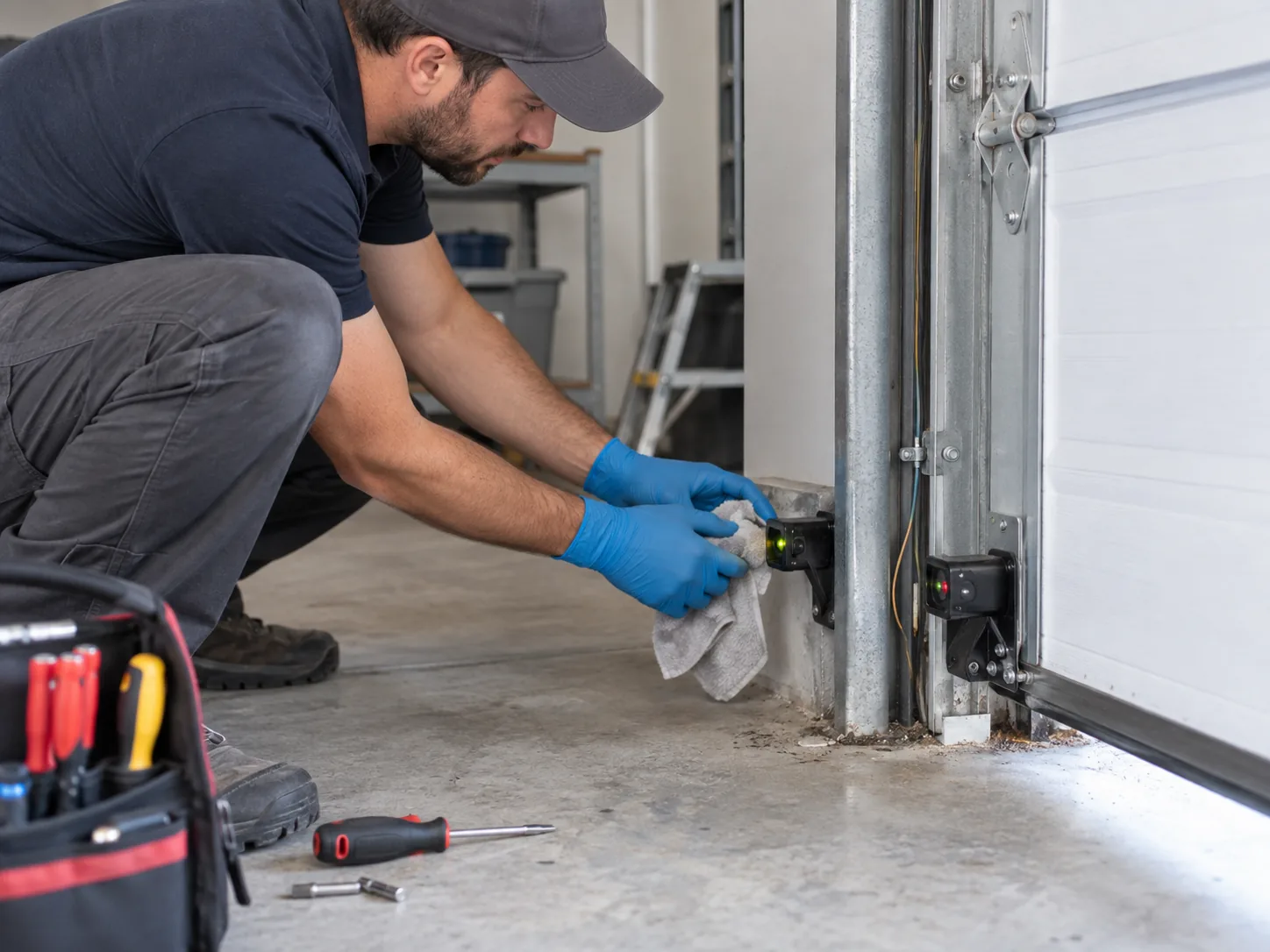
Once we're on site, the job follows the usual order: check the springs first, since a broken torsion spring is the most common reason a door won't move, then the cables, then the opener and track alignment.
On older doors we often find hardware that doesn't match anything on the shelf, which slows the job down but doesn't stop it. We carry stock sized for the door eras common in this area, built around torsion assemblies from the 1960s and 70s rather than the lighter-duty parts you'd find on anything built after 2000.
Local causes
The typical South Charleston house went up around 1958, which puts it near the front edge of the 1949-1993 building window that covers most of this region, where the overall median lands closer to 1967. A door installed with a house from that period has usually been replaced once by now, but the opener and track hardware often haven't - and that mismatch is where calls start. Add a cold moderate climate to the mix and you get metal that contracts in winter, tightening tolerances on tracks that were never perfectly aligned to begin with. Springs on these older torsion setups carry more cycles per year than newer counterbalance designs, so they fatigue and snap without much warning.
Watch-outs
The complication in South Charleston isn't the door - it's finding parts that fit a door installed when Eisenhower was president and never fully updated since.
Some homeowners have replaced the opener but kept the original track, or replaced the spring with a size that was close enough at the time but isn't quite right now.
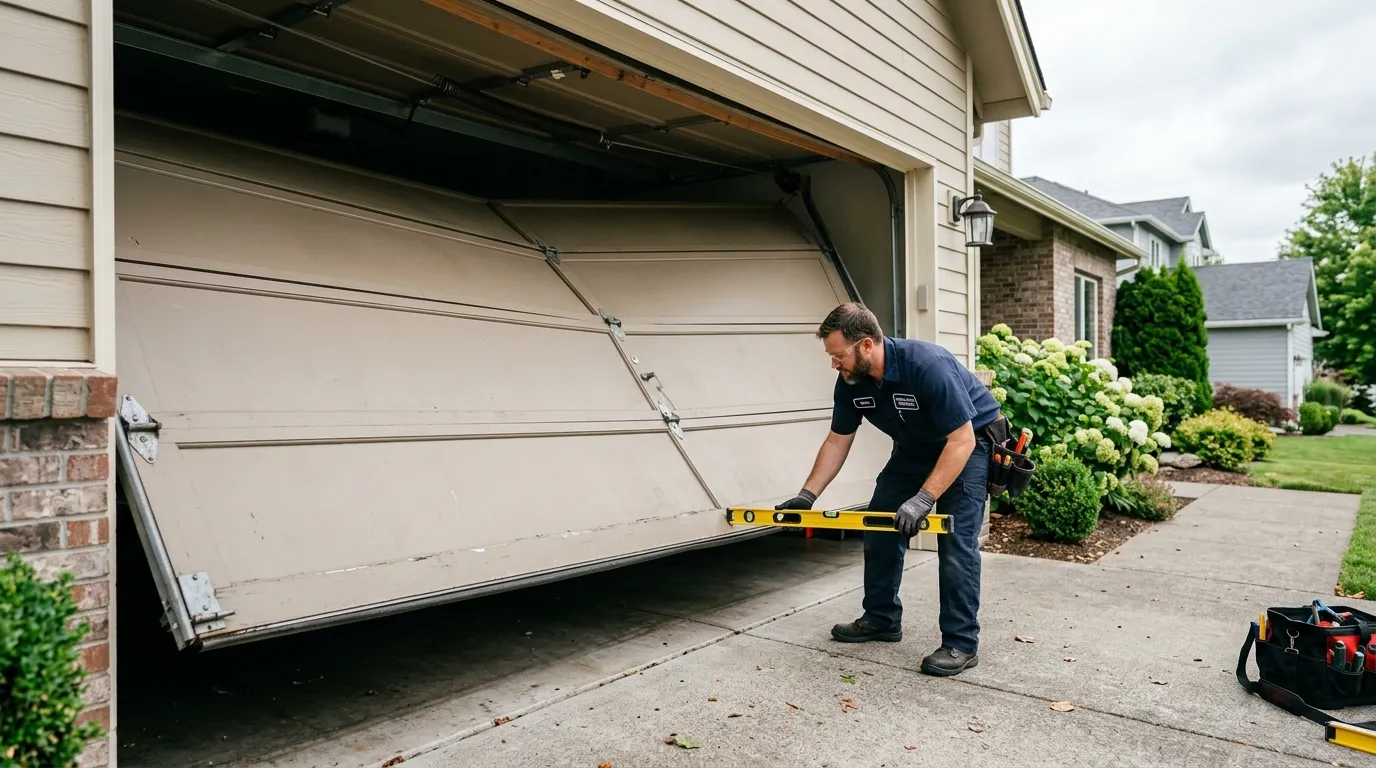
That kind of patchwork means every job starts with a full check of what's actually on the door before we touch anything, because assuming parts match by age is how a five-minute spring swap turns into an hour of retrofitting. We won't force a part that doesn't belong on a door just to finish faster.
DIY or pro
A torsion spring under tension can put someone in the hospital, and on a door from the 1958 era, the winding cones are often rusted or undersized for anything sold today - not a first repair to learn on. Clearing the track, tightening loose hardware, lubricating rollers, and swapping a keypad battery are all fine to handle yourself. Springs, cables, and anything involving the torsion bar are not. If your opener is straining, grinding, or reversing on its own, that's also a call-it-in situation rather than a weekend project, especially on hardware this old, where you can't always tell what's failing until it's apart.
Timing
Most spring and cable jobs on these older South Charleston doors run under two hours once we're on site, assuming the parts we're carrying match what the door needs. Track alignment and opener repairs can run longer if the hardware has been swapped piecemeal over the years, which is common on houses built before 1970. We can't give you a same-day guarantee since we're traveling in from Charleston and scheduling depends on the day's calls, but we'll tell you a realistic window when you call rather than guessing low.
Questions
Depends on the door and your budget. At South Charleston's median income of $59,616, most owners come out ahead repairing the spring, cable, or opener rather than replacing the whole door, unless the panels themselves are damaged or the track is bent beyond straightening. We'll give you an honest read once we've seen it.
No. We're based in Charleston and drive the roughly four miles over for every call. There's no separate depot or crew stationed in South Charleston - same trucks, same techs who cover the rest of the service area.
South Charleston sits in a cold moderate climate band, and metal track and hardware contract in cold weather, tightening tolerances that were already loose on older installs. That extra resistance makes the opener work harder, which shows up as grinding or slow travel until the door is realigned.
Yes. Houses from that era, common across South Charleston, often still run original torsion hardware sized differently than what's sold today. We carry stock for those older assemblies, but expect the tech to check fit carefully rather than grab a standard modern part off the shelf.
Explore more
Ready when you are
Charleston Garage Door Pros repairs and installs garage doors, springs and openers in Charleston, WV and the surrounding area.