1958-original obsolete-part sourcing
What you pay depends on what's actually wrong: a logic board or a burnt-out circuit board on an older chain-drive unit costs more to source than a sensor wire that worked loose from a mower blade.
South Charleston, Charleston
Opener repair for South Charleston homes built mostly around 1958, covered from Charleston 4 miles up the road. Same-day diagnosis, straight talk on parts.
Popular Services
Pricing
South Charleston is a short run for us, about 4 miles from our Charleston base, so a service call here doesn't carry a long-haul charge tacked onto the bill the way some outlying stops might.
What you pay depends on what's actually wrong: a logic board or a burnt-out circuit board on an older chain-drive unit costs more to source than a sensor wire that worked loose from a mower blade.
Homes in this part of the county went up mostly around 1958, and a lot of them are still running openers that are older than the homeowner living there now.
Those units use parts that aren't stocked on a truck the way current models are - a replacement gear kit or a drive screw for a 1970s-era opener sometimes has to be ordered, and that adds a day or two, not a markup. We quote the repair once we've seen the unit, not before, because guessing on an opener that old is how you end up over- or under-charging somebody.
Our process
We start at the wall control and work back - power to the unit, safety sensor alignment, then the drive mechanism itself, whether it's chain, belt, or the older screw-drive setups common on houses from the late 1950s and 1960s in this area. A dead capacitor or a stripped gear inside the housing looks like a dead opener from the outside, and a lot of service calls end there. On the older units, we check whether the motor is original - if it is, and the housing shows heat damage or the gear is stripped past what a kit can fix, we say so instead of patching something that'll fail again in a month. Sensor issues get fixed on the spot almost every time. Board and motor replacements sometimes wait on a part, and we tell you that before we start, not after.
Local causes
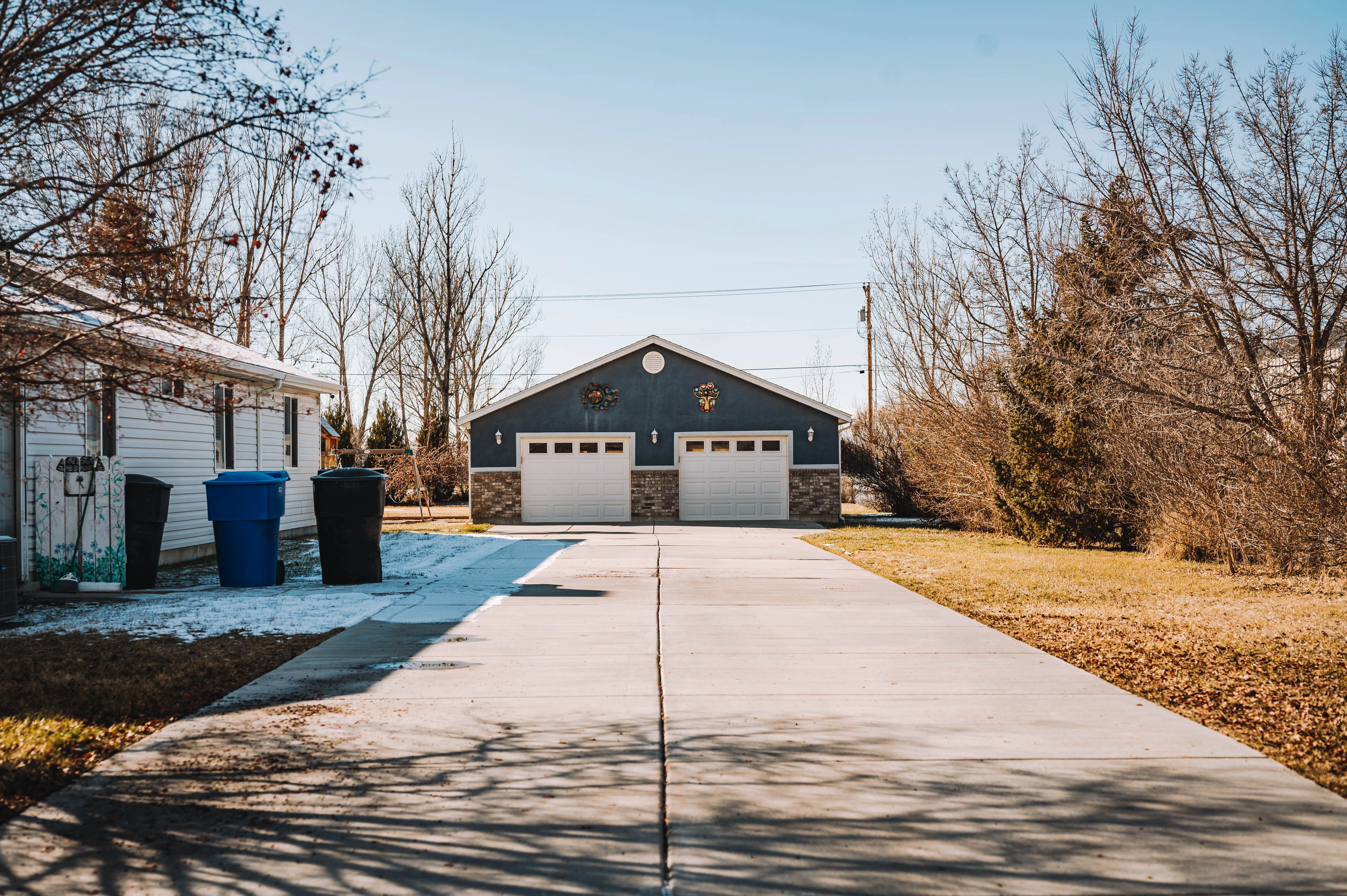
The housing stock through this stretch, with a median build year around 1958, means a good share of openers we see were installed as retrofits in the 1970s or 80s rather than built into the house from day one - which means mounting brackets, wiring runs, and rail lengths that don't always match what a current-year opener expects out of the box. Add a climate band that runs cold with real seasonal swings, and you get metal gears and lubricant that stiffen up hard in winter, plus condensation inside older sealed units that corrodes contacts over years. It's not one dramatic failure, usually - it's a slow accumulation of a stiff chain, a tired capacitor, and a sensor that's been slightly out of alignment for longer than anyone noticed.
Watch-outs
The main complication in this part of the service area is age mismatch: a household with a median income of $59,616 isn't always looking to replace a working door and opener system just because the opener itself needs work, and that's a reasonable call - most opener repairs make sense even on an older door.
Where it gets harder is when the rail or bracket was custom-fit decades ago to a door that's no longer square, or when a homeowner has already had a mismatched universal remote programmed in that fights with the new logic board.
We also run into houses where the opener was swapped once already but the original 1958-era track hardware never was, so the new motor is straining against old rollers. We flag that rather than just bolting a new opener onto old iron and calling it done.
DIY or pro
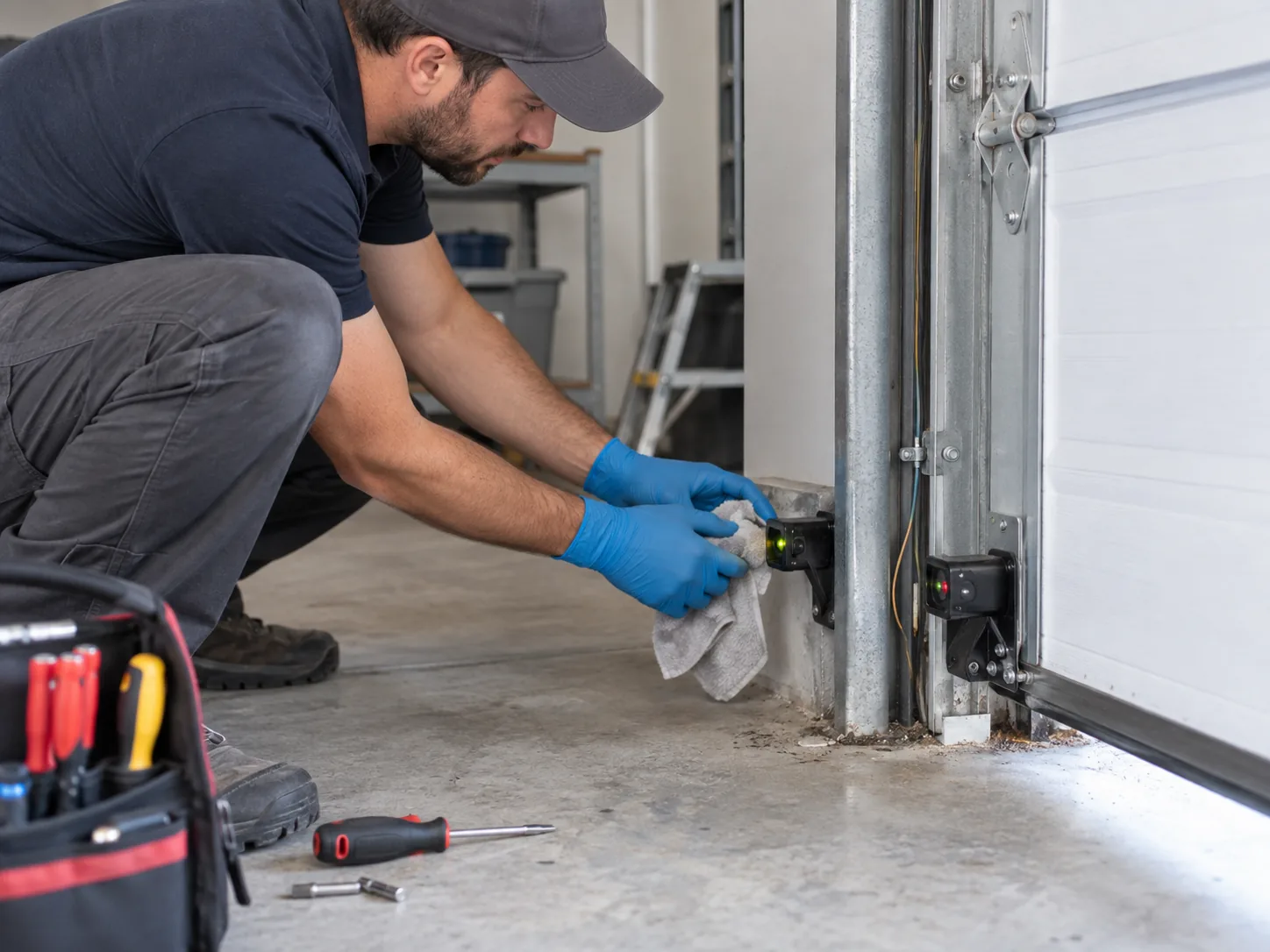
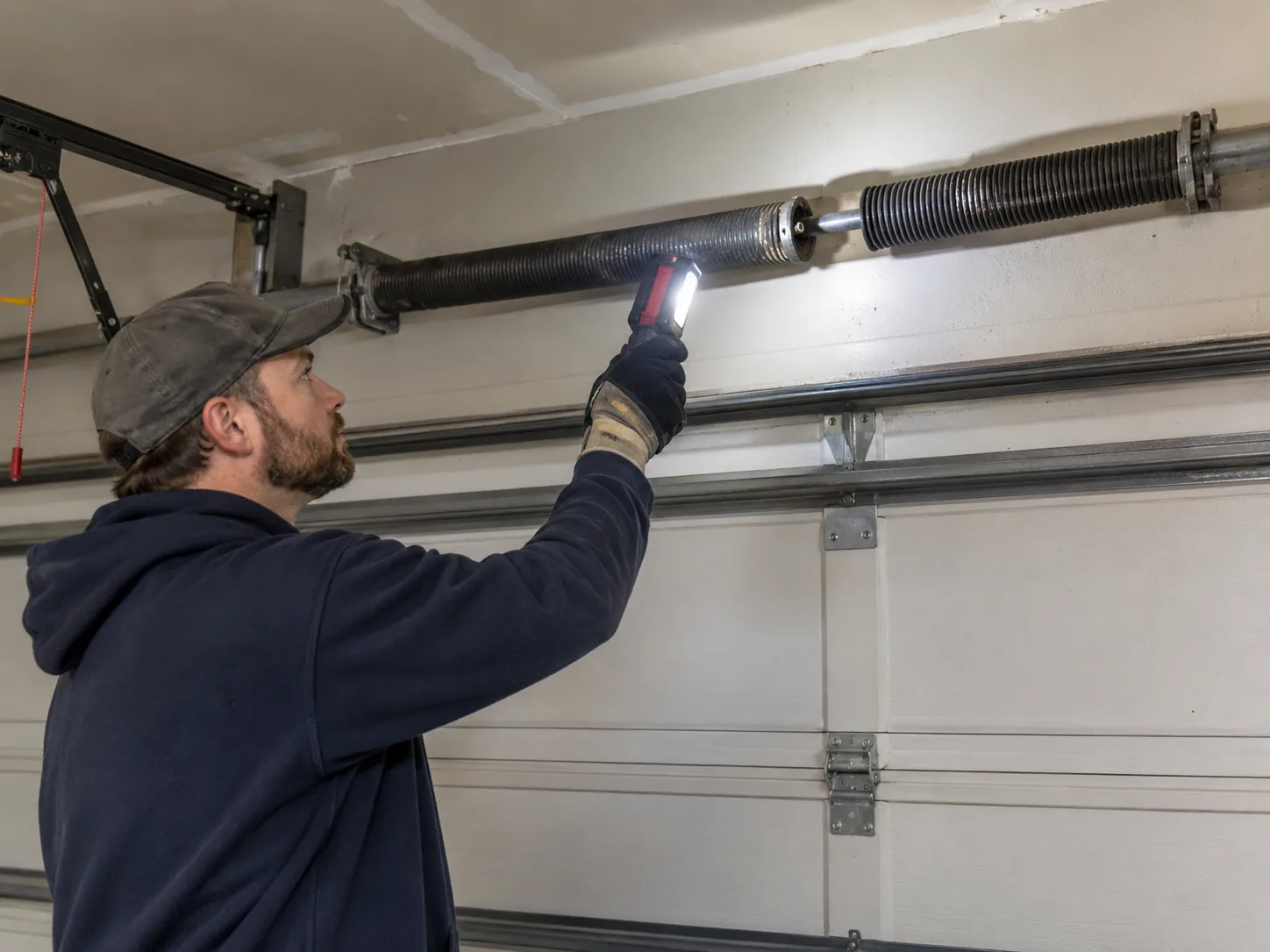
Swapping a remote battery, cleaning the photo-eye sensors with a soft cloth, and checking that nothing is blocking the sensor beam are all fair game and take five minutes. Lubricating a chain or screw drive with the right garage door lube (not household oil, which attracts grit) is reasonable maintenance too. Where we'd stop you: opening the motor housing on a unit installed before you owned the house, working on anything connected to the torsion spring assembly, or troubleshooting a capacitor while the unit is plugged in. Those jobs carry real risk of injury and rarely save enough to justify it once you count a wasted afternoon and a part ordered wrong.
Timing
Most sensor, wiring, and remote-programming fixes are done in one visit, same trip out from Charleston. A motor or logic board replacement on a common modern opener is usually same-day too if we're carrying the part. Where it stretches to a second visit is the older screw-drive and chain units from the 1960s-70s retrofit era that show up often in this area - if the gear kit or drive screw isn't something we carry on the truck, it gets ordered, and that's typically a couple of days, not weeks. We'll tell you which category your unit falls into before we leave the first visit.

Questions
It's about 4 miles from our Charleston base, which is a short run for us. That distance doesn't get tacked on as a separate travel charge - the price you get reflects the repair itself, not the drive.
Often, yes, if the motor housing and gears aren't heat-damaged or stripped beyond a kit repair. The catch is that parts for units that old sometimes have to be ordered rather than pulled off the truck, which can add a day or two to the job.
This area sits in a cold climate band, and older gear-and-chain drives stiffen up in low temperatures. Combined with any corrosion built up over years inside a sealed housing, cold months are when marginal openers finally quit.
Sometimes. If the motor housing is original from a decades-old retrofit and shows heat damage or a stripped gear a kit can't fix, replacement is usually the better spend. We'll tell you straight if that's where your unit is.
Explore more
Ready when you are
Charleston Garage Door Pros repairs and installs garage doors, springs and openers in Charleston, WV and the surrounding area.