South Charleston, Charleston

New Garage Doors for South Charleston's 1950s and 60s Homes

New garage door installation for South Charleston, WV homes, most built around 1958. We travel 4 miles from Charleston to fit doors sized for these openings.

New Garage Doors for South Charleston's 1950s and 60s Homes in Charleston
Serving Charleston, WVBackground-checked techsHonest, upfront pricingFast local response

Pricing

What It Costs

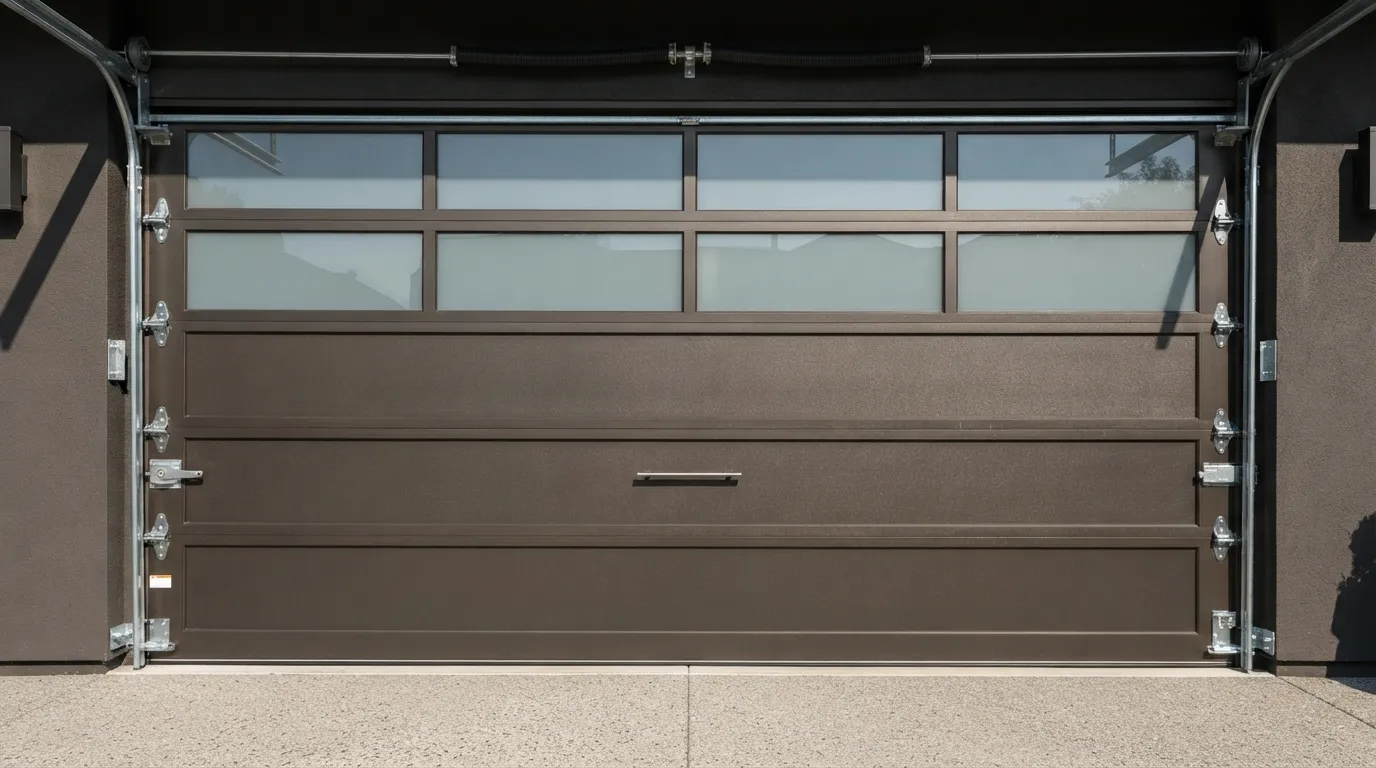
We're not going to hand you a number here without seeing the opening, and we don't have a set price to quote sight unseen. What we can tell you is what drives the number in a town like this: most South Charleston houses went up around 1958, part of the broader 1949-1993 wave across this service area, and those openings were framed for the doors of that era - often a single 16-foot or two separate 9-foot bays with header clearance that modern insulated sections don't always clear without extra track work. That framing step is usually the line item that surprises people, not the door itself. Household income here runs close to $59,616, a touch under the wider service-area median of $61,160, and we size recommendations around that rather than pushing the top of any lineup. If your opening is original, expect the quote to include hardware compatibility as its own line, separate from the door panel. We'll walk the opening with you before any number goes on paper - that's the only way to give you one that holds.

What It Costs

Our process

How We Fix It

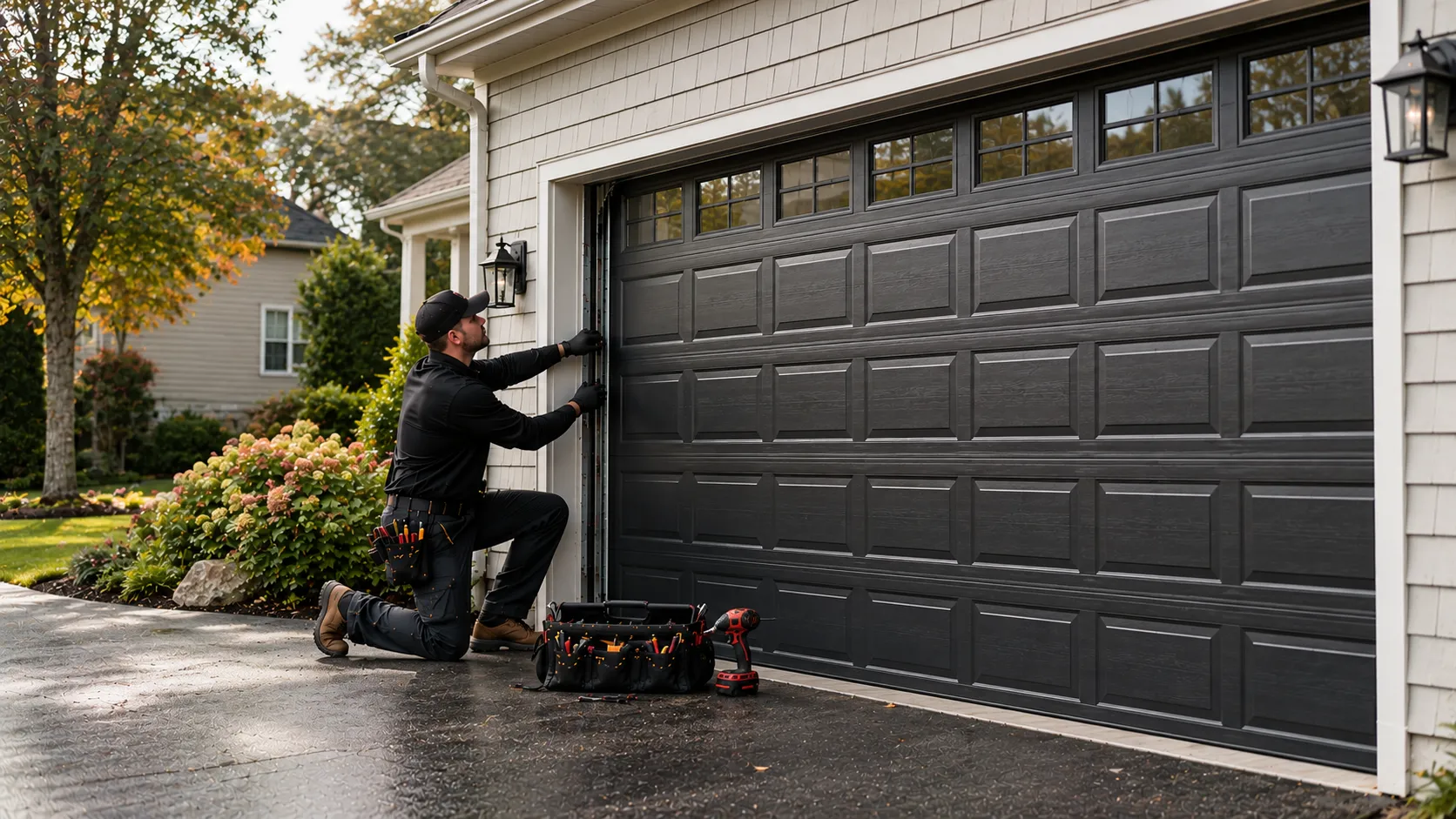
Installation on a house built in the late 1950s starts with the opening, not the door. We measure jamb width, header height, and headroom against the door series you've picked, because original framing in this part of town wasn't built to a modern standard section.

  1. Header accommodation and springs

    Where the header is short, we either shim and add low-headroom track hardware or flag it before ordering so you're not paying twice. We pull the old torsion or extension spring system - whichever the house has - rather than trying to reuse it on a new door, since spring cycle and drum sizing has to match the new panel weight.

  2. Track replacement and balancing

    Track gets replaced too in most cases; 1958-era track wasn't built for the double-layer steel or insulated composite doors most people choose now. Once the door's set, we balance the spring to the actual panel weight and test the opener's force settings against it, because a door that swaps weight without a force adjustment will either slam or stall.

  3. Local installation team

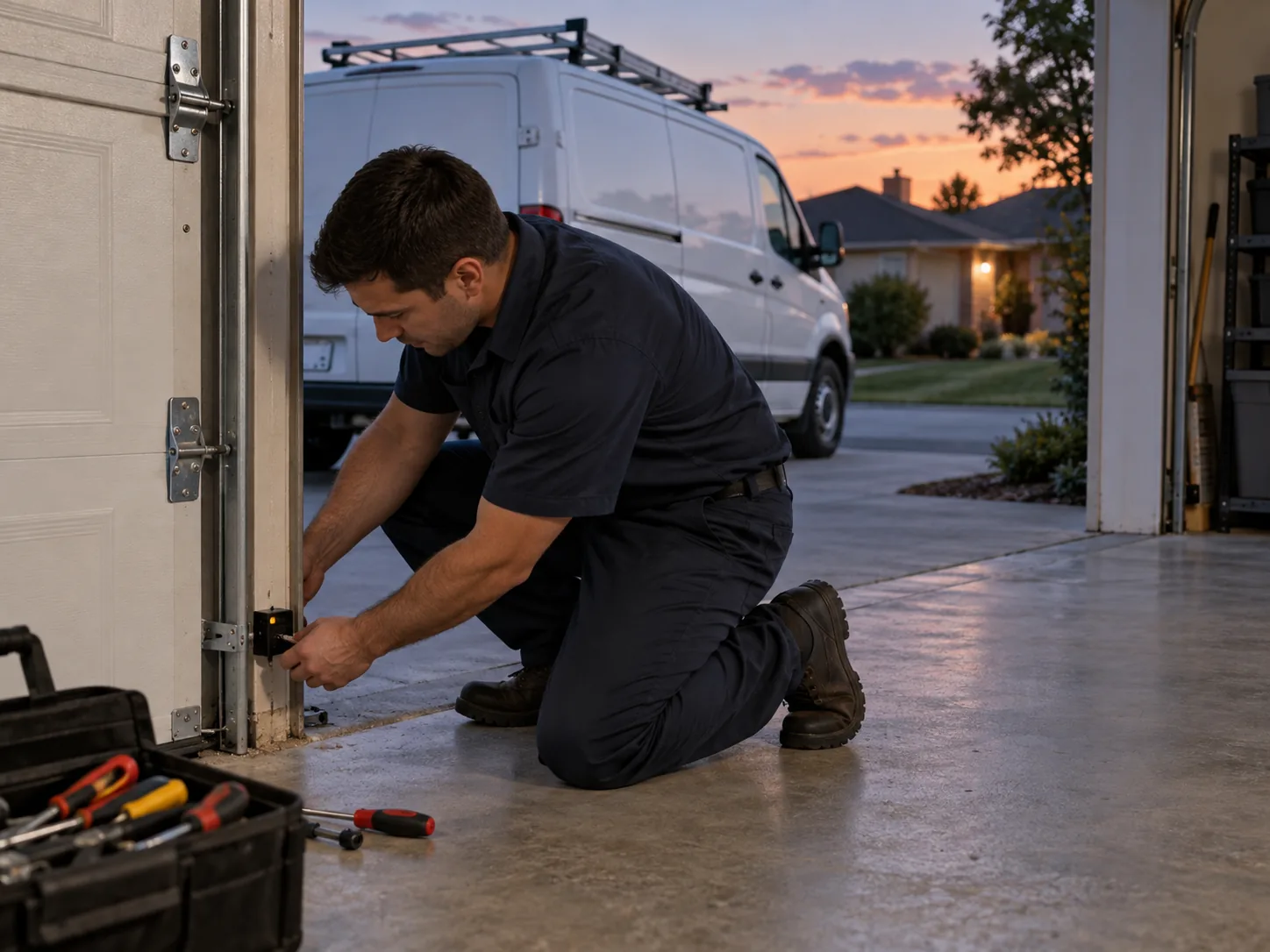
    We travel out from Charleston for this work, four miles in, so the crew doing your install is the same one doing the framing check beforehand.

Why It Happens Here

Local causes

Why It Happens Here

South Charleston's housing stock centers on 1958, inside the wider 1949-1993 range that covers most of this service area, and that decade of construction matters more than people think. Doors from that period were built lighter, often single-layer steel or wood panel, on hardware sized for that lower weight. When a homeowner upgrades to a heavier insulated door - which most do now, given the cold moderate climate band this region sits in - the original spring and track were never sized for it. That mismatch is why so many installs here aren't a simple panel swap: the header, the track gauge, and the spring drum all predate the doors people want today. It's also why openers installed decades ago sometimes need the travel limits reset entirely rather than adjusted, since the door's travel distance and weight profile have both changed. None of this is unique to one house - it's a pattern across the 1960s-70s stock that makes up most of the neighborhoods in this service area, South Charleston included.

Watch-outs

The Complications

The most common surprise on a 1958-era opening is header clearance - modern insulated sections need more vertical room above the door than the wood-panel doors these houses were built for, and there's no fixing that without either low-headroom hardware or, occasionally, framing work we'd flag before ordering anything.

60-year settling opening misalignment

The second is squareness. Six decades of settling means very few original openings are still perfectly square, and a door hung on an out-of-square jamb will bind on one side no matter how well the panel itself is built.

Opener-wiring circuit-run requirement

Wiring for openers is a smaller but real issue too - some of these garages were never wired for an opener at all, which means a new circuit run before the opener goes in, not just a bracket swap.

Structural carpentry installation exclusion

We'll be straight about one limitation up front: if the opening needs structural framing changes, that's carpentry work outside a standard install, and we'll tell you that before we start rather than improvising around it on install day.

Doing It Yourself

DIY or pro

Doing It Yourself

A new door kit looks straightforward until you're standing in a 1958 opening with a header six inches shorter than the instructions assume. Sizing the door is the easy part; sizing the track, drum, and spring to a header that predates the manufacturer's spec sheet is where DIY installs in this part of town usually go sideways. Torsion springs under tension are also not forgiving of a first attempt - the wind bars and unwinding cone tension involved have hurt people who've done it once before without issue and gotten confident. If you're set on doing some of the work yourself, the panel-hanging and weatherstripping steps are reasonable for someone comfortable with tools. Spring conversion, header modification, and opener force calibration on an older opening are where we'd tell you to call rather than guess - not because the job is exotic, but because the margin for error on a mismatched spring is a broken cable or a door that comes down wrong.

Timing

How Long It Takes

We don't have a fixed hours figure to give you here, because it genuinely depends on whether your opening needs track and header work or just a panel swap on hardware that's already sized right. What we can say is that houses on the 1958 end of this area's build years more often need the header and track adjustment step than houses built later in the 1949-1993 range, simply because they're older and the framing standards of that decade were different. That extra step is what separates a same-day swap from a job that runs longer. We'll tell you which category your opening falls into during the walk-through, before the door's ordered, so the schedule you're given reflects your actual house rather than a generic estimate.

How Long It Takes

Questions

Common questions

Will a new insulated door fit my original 1958 opening?

Usually, but not always without adjustment. Openings from that era were framed for lighter wood or single-layer steel doors, so header clearance and track gauge sometimes need updating for a modern insulated section. We check this during the walk-through before ordering anything.

Do I need a new opener with a new door?

Not always. If your opener's force and travel settings can be reset for the new door's weight, it can often stay. Older openers without adjustable force settings, or garages never wired for an opener, usually need new equipment.

How far do you travel to South Charleston for an install?

We work out of Charleston, about 4 miles away, and cover South Charleston as part of our regular service area.

Can I keep my old spring system with a new door?

Generally no. Spring drums and wind tension are matched to panel weight, and most new doors weigh differently than the original. Reusing an old spring on a new door usually means an imbalanced door or premature spring failure.

Ready when you are

Need a garage door sorted in Charleston?

Charleston Garage Door Pros repairs and installs garage doors, springs and openers in Charleston, WV and the surrounding area.

Call Now(304) 202-7503