
$59k income below-median area
What we can tell you: a door built for a house at this median age usually needs lubrication, hinge and roller inspection, and a look at the spring cable long before it needs replacing outright.
South Charleston, Charleston
South Charleston's houses run older than most of the service area - median build year 1958. We service the steel single-layer doors and extension-spring hardware that came with them.
Popular Services
Pricing
We don't quote a number on maintenance without seeing the door, because a 1958-era steel single-layer panel on extension springs needs different work than a newer door on torsion hardware, and South Charleston has more of the former than most of what we cover.
What we can tell you: a door built for a house at this median age usually needs lubrication, hinge and roller inspection, and a look at the spring cable long before it needs replacing outright.
The income picture here runs a bit under the service area's overall median - $59,616 against $61,160 - which is part of why we try to catch small wear before it becomes a spring failure or a track replacement.
A maintenance visit costs less than a broken-spring service call, and it costs a lot less than replacing a door that a $20 part could have saved. We're not going to pretend every door in South Charleston is the same age or the same problem, but the stock here skews old enough that we plan the visit around that before we ever open the truck.
Our process
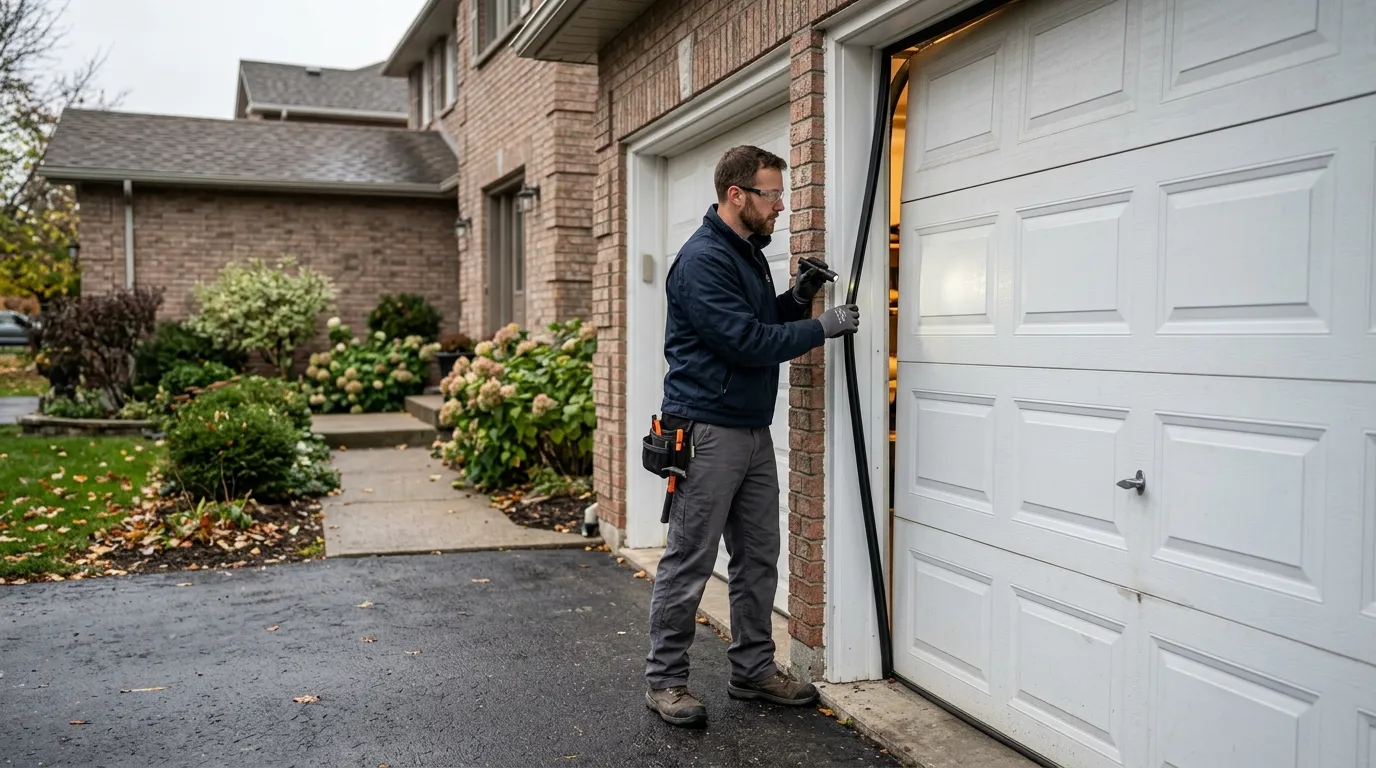
On a door from the 1958-1967 build window, we start at the spring, not the opener, because that's usually where the wear shows first on original hardware.
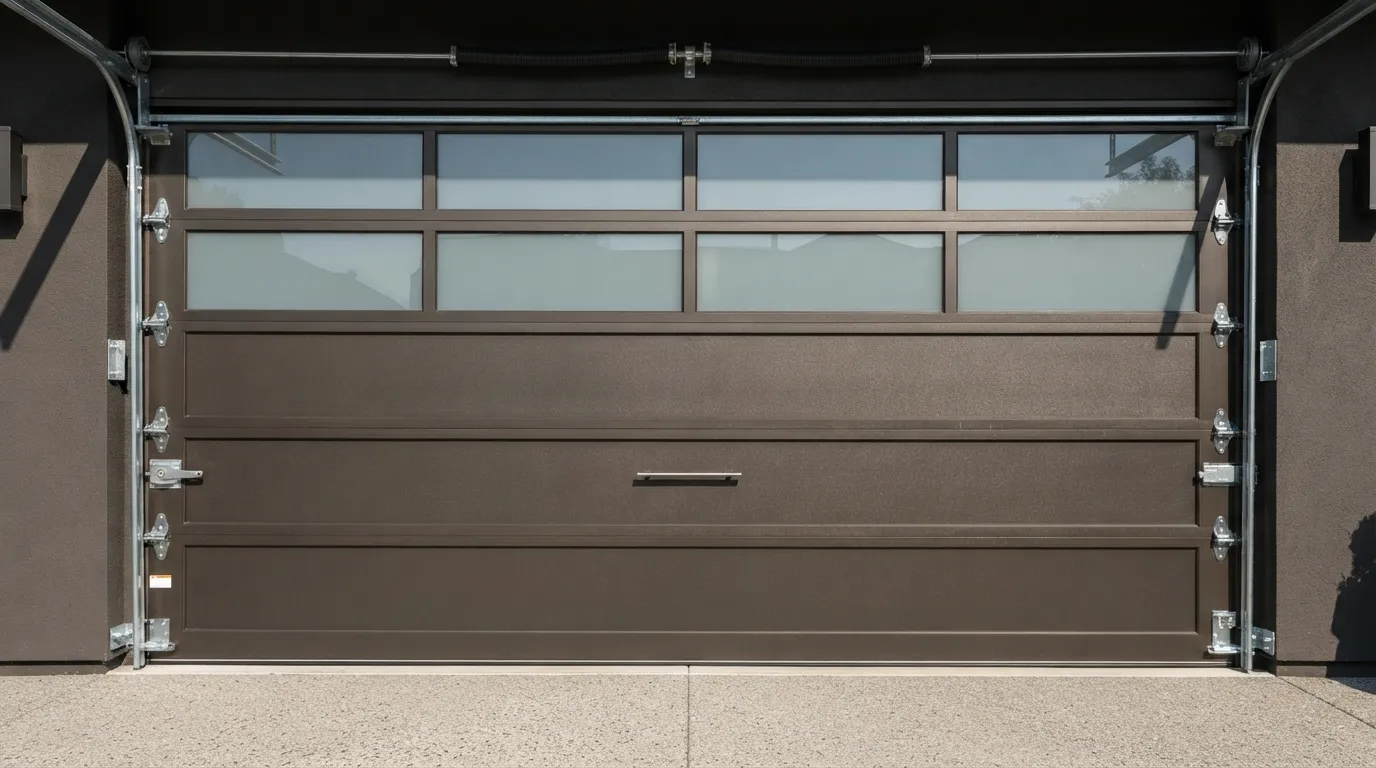
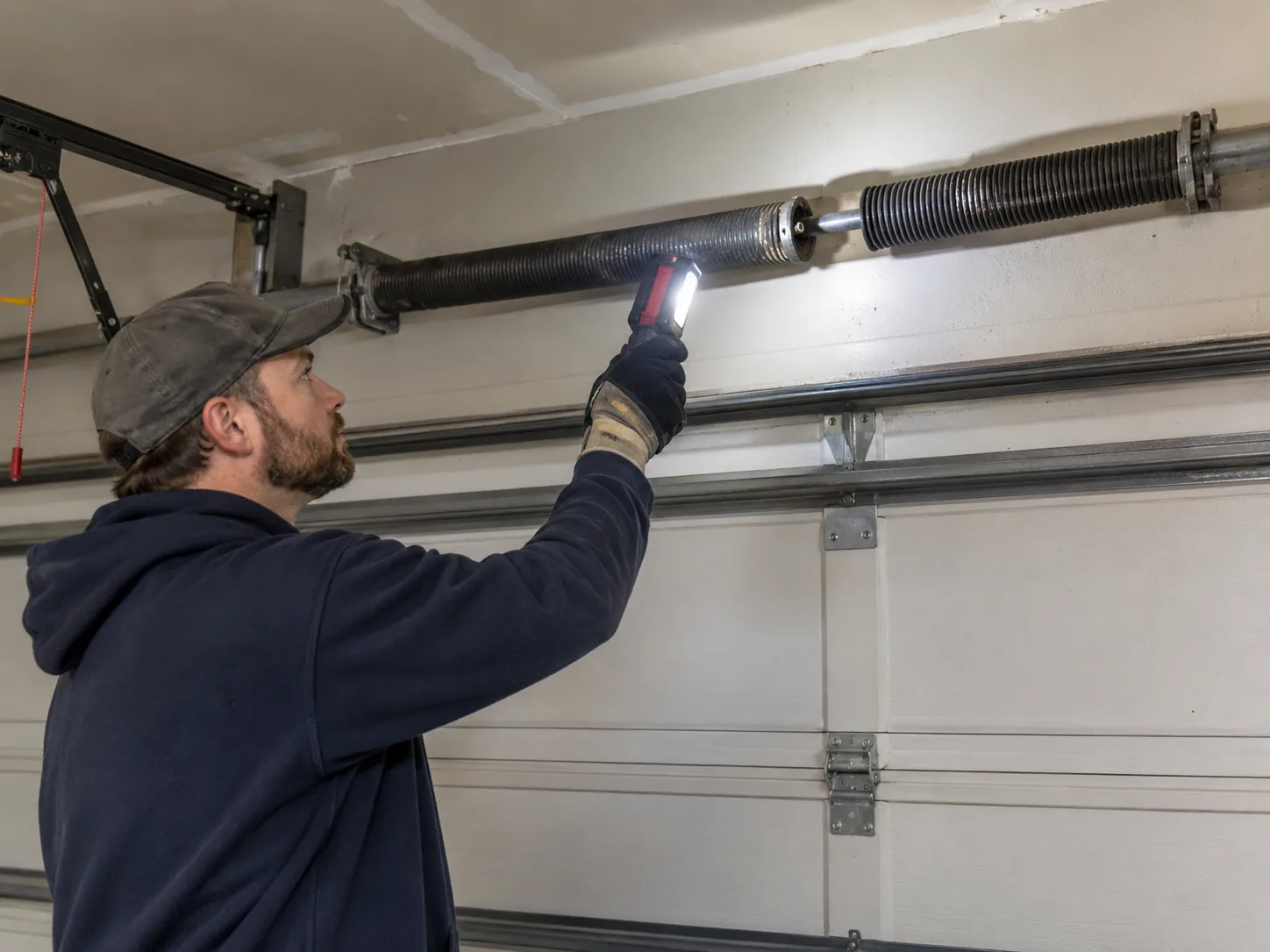
Extension springs on older single-layer steel doors stretch and fatigue in ways torsion springs don't, so we check tension, cable condition, and the pulley wheels before touching anything electric. Rollers on doors this old are often the original steel-on-steel type, which is loud and hard on the track edges - we replace them with nylon where the track will still hold true.
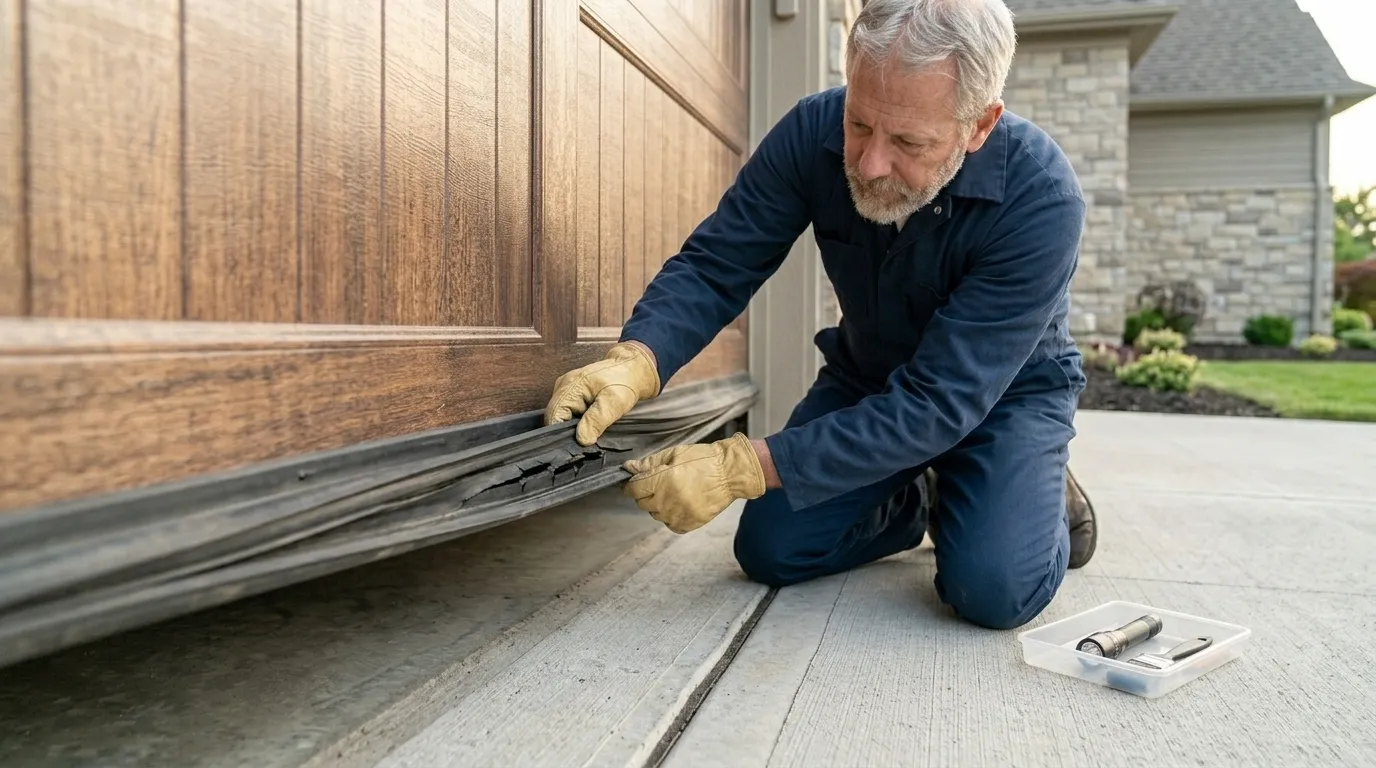
Hinges get checked for elongated screw holes, a common issue once a door's been racking in and out of a warped panel for sixty-plus years. If the opener's been added later, which is common on a door this old, we check that the force settings match the door's actual weight rather than a factory default.
We don't rebuild a door that's structurally shot - past a certain point, a panel replacement or a full door swap costs less over time than chasing patches on steel that's already bowed.
Local causes
South Charleston's median year built is 1958, a decade ahead of the 1967 median across the wider Charleston service area, and that gap matters for doors specifically. A house built in 1958 got a door sized and built to that decade's standard - steel single-layer panels, no insulation core, extension springs mounted along the horizontal track rather than a torsion bar over the header. None of that is a defect; it's just what shipped then. What it means sixty-plus years later is springs that have cycled tens of thousands of times past their rated life, hinges worn oval instead of round, and cable that's frayed somewhere nobody's looked yet. The region sits in a cold-moderate climate band, and an uninsulated 1958 steel door doesn't buffer cold the way anything built after insulation cores became standard does - that's a comfort issue as much as a mechanical one, and it's worth knowing before you decide whether to fix or replace.
Watch-outs
Doors from South Charleston's era weren't standardized the way modern doors are, so hardware from one house doesn't always match hardware from the next, even two doors down.
We've found extension spring setups mounted with slightly different pulley placement depending on who built the house, which means a part that fits one 1958 door doesn't always drop into another from the same block.
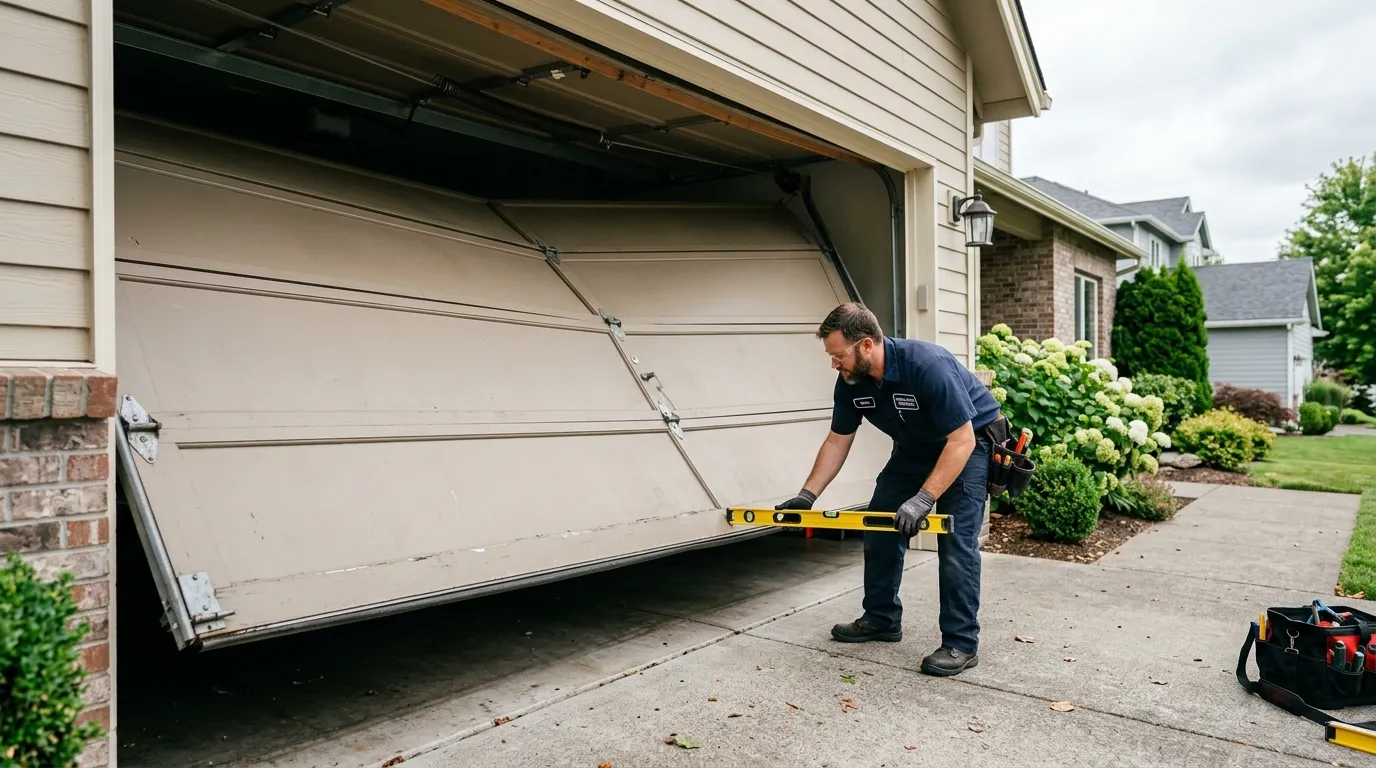
Original steel track on houses this old has usually been bent or re-set at least once, and a track that's been reset isn't always square, which throws off roller travel even after you replace the rollers.
If a homeowner's added an opener to a door that was never designed to carry motorized load, we sometimes find the door itself flexing under that stress in ways a newer door wouldn't. And with 6,105 households in South Charleston, most sharing that same rough build era, we're not dealing with one outlier door - we're dealing with a whole neighborhood of doors aging out on a similar clock.
DIY or pro
Lubricating hinges and rollers with a light garage-door-specific oil is safe to do yourself, and it's worth doing twice a year on a door this old regardless of who services it.
Checking that the door balances - lifting it halfway by hand and seeing if it holds - is also safe, and it tells you a lot about spring condition without opening anything.
What we don't recommend touching yourself: the spring itself, especially an extension spring on a door this age, since the cable and pulley setup on original 1958-era hardware isn't built to modern safety standards and a failure under tension can do real damage.
We also wouldn't recommend re-tensioning or replacing cable yourself if the track has ever been reset, because you won't know if it's still square until something's under load. If the door's noisy, slow, or uneven, that's diagnostic work worth a call rather than a guess.
Timing
A standard maintenance visit on a door in reasonable shape - lubrication, hardware check, balance test - usually runs under an hour once we're on site. Doors from South Charleston's build era often take longer than that because there's more to inspect: original hinges, aged cable, a track that may have shifted over sixty-plus years of use. If we find something beyond routine wear - a spring near the end of its life, a bent track section - we'll tell you before we start any repair beyond the maintenance itself, since that's a separate job with its own time and parts. We travel from Charleston, four miles out, so the visit itself doesn't add drive time worth mentioning, but scheduling around parts for older hardware can occasionally add a day if something needs to be sourced rather than pulled off the truck.
Questions
South Charleston's median house was built around 1958, a decade before the wider service area's median. Doors from that era run on extension springs and steel single-layer panels without insulation cores, and those parts wear differently than newer torsion hardware. More frequent checks catch fatigue in that older hardware before it turns into a spring failure or a stuck door.
If the door is structurally bowed, the track has shifted more than once, or the springs are original from a 1958-era build, replacement often costs less over time than repeated patch repairs. We'll tell you honestly if we think maintenance is throwing money at a door that's past the point of being worth saving.
Yes. The region sits in a cold-moderate climate band, and doors from that build era typically shipped as single-layer steel with no insulation core, unlike doors built after insulation became standard. That affects garage temperature more than it affects the door's mechanical function, but it's worth factoring into a repair-versus-replace decision.
Explore more
Ready when you are
Charleston Garage Door Pros repairs and installs garage doors, springs and openers in Charleston, WV and the surrounding area.