South Charleston, Charleston

Garage Door Service for South Charleston Homes

South Charleston's houses run older than the rest of the Charleston area - median build year 1958. That means different hardware, different failures, and a different repair job.

Garage Door Service for South Charleston Homes in Charleston
Serving Charleston, WVBackground-checked techsHonest, upfront pricingFast local response

Pricing

What It Costs

South Charleston's housing stock skews older than the broader Charleston service area - the median build year here is 1958, a decade ahead of the area-wide median of 1967.

1958 side-mounted spring setup difference

That gap matters for cost, because a door original to a 1958 build is more likely to carry a side-mounted torsion or an extension spring setup instead of the center-mounted torsion hardware that got standard on newer builds. Parts for the older configuration cost more to source and take longer to get, which shows up in the invoice. We price the job after we see what's on the wall, not before.
Odd-bracket part sourcing cost

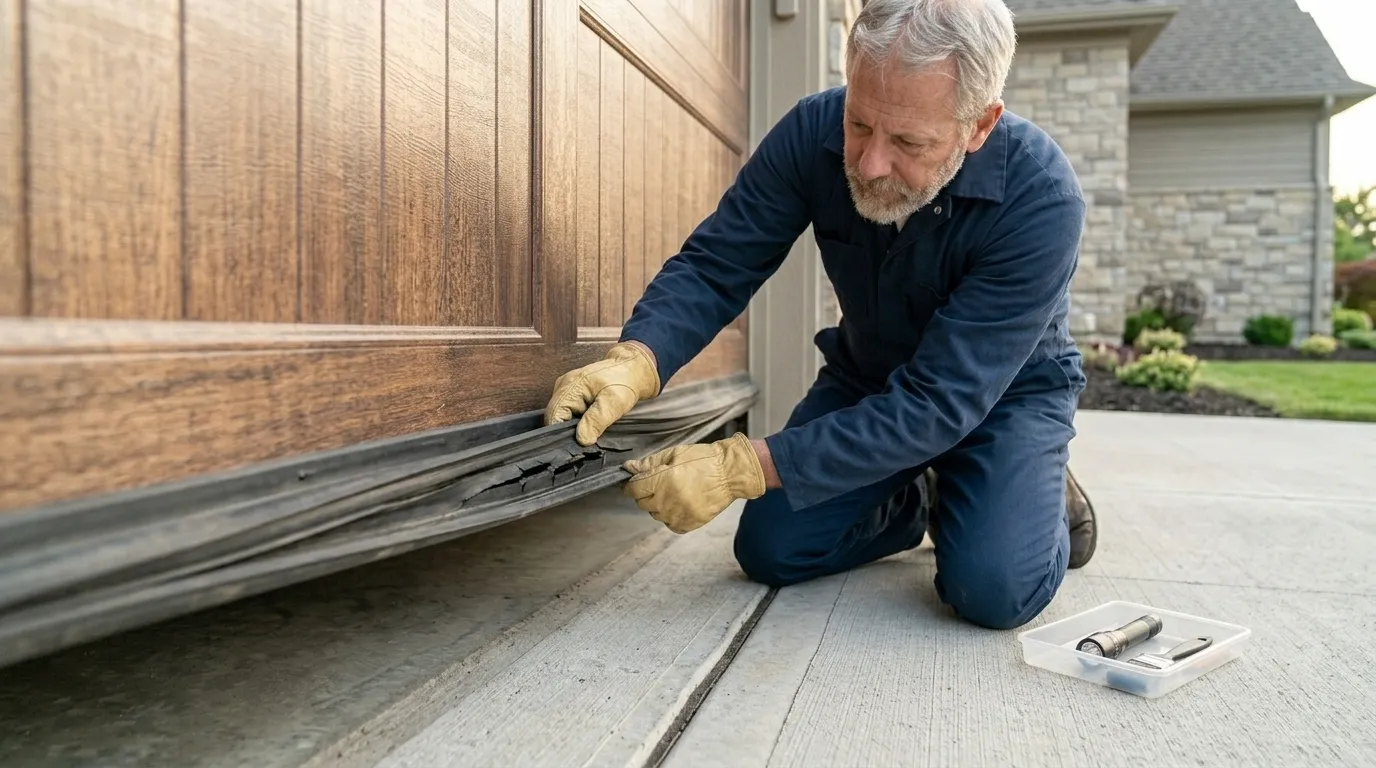
A straight spring swap on common hardware runs cheaper than a job where we're matching an odd-length track or a bracket pattern nobody's made in years. We don't quote a flat number over the phone for this town, because the housing age here means more variation between one street and the next than you'd get in a newer subdivision.

Repair-worthiness assessment

What we can tell you: median household income in the area is $61,160, and we price jobs to be worth doing, not just doable - if a repair on a 1958 door costs more than half a comparable replacement, we say so before we start.

Our process

How We Fix It

We come from Charleston, four miles out, so there's no separate branch or crew stationed in South Charleston - every job here is a truck run, same as any stop in the service area.

  1. Torsion versus extension diagnosis

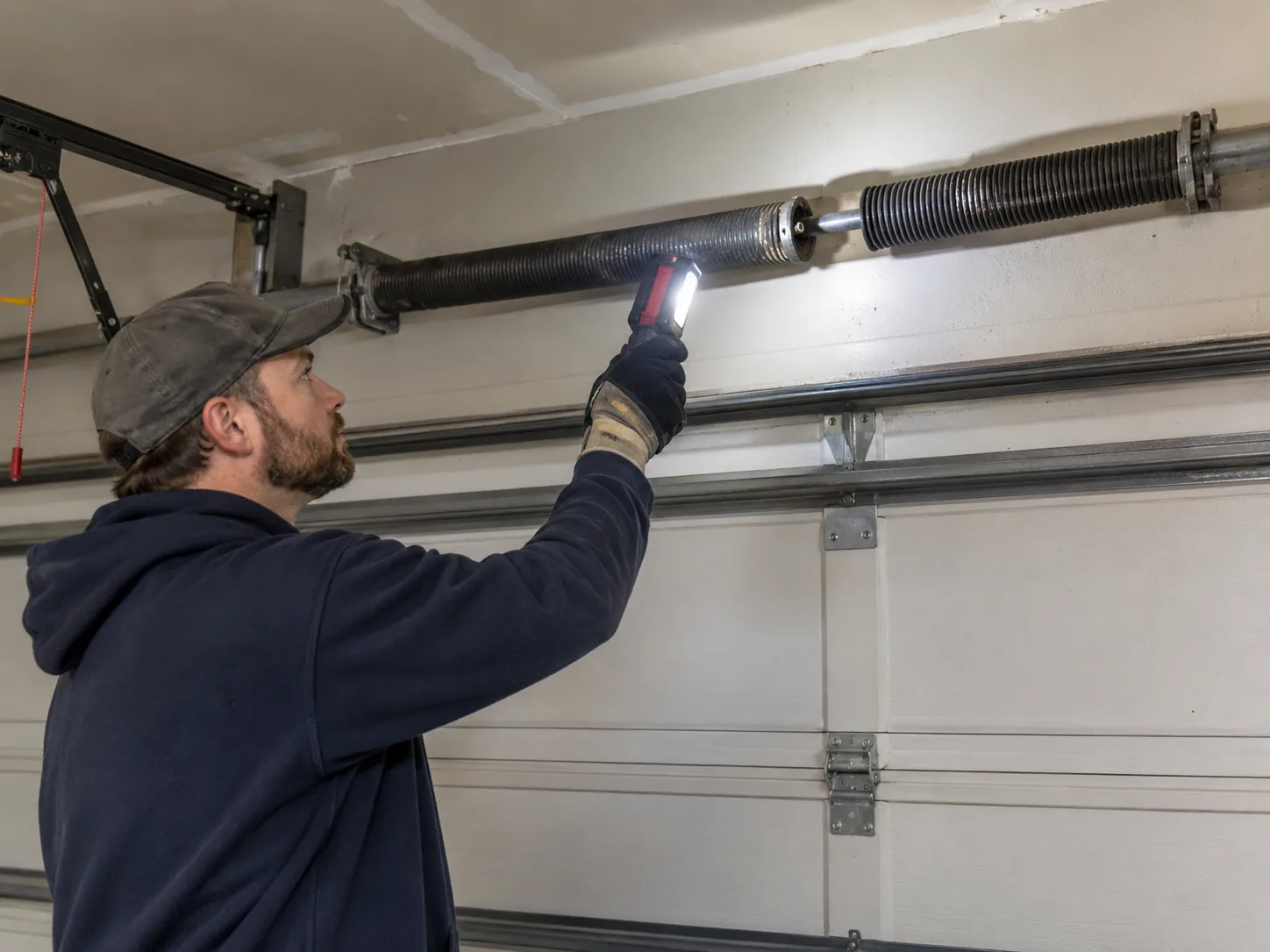
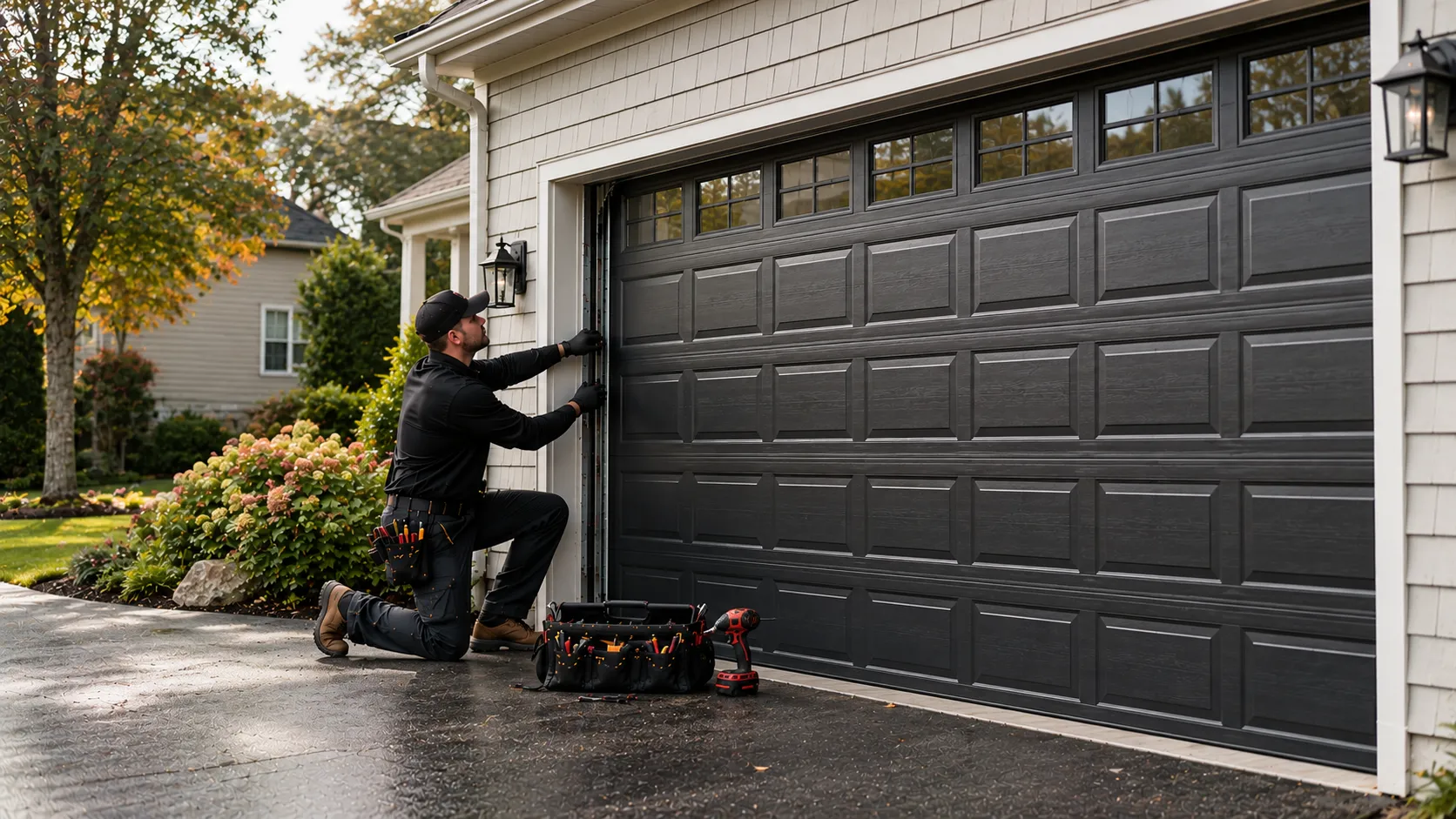
    On arrival we check the spring type first, because that's the fork in the road for a house this age. Torsion springs get unwound with winding bars and replaced under tension; extension springs get pulled and swapped with the door supported on the track.

  2. Cable drum roller concurrent checking

    Either way we check the drum, the cable, and the rollers while we're in there, since a door that's carried the same hardware since the late 1950s or 60s usually has more than one part working past its life. We reset the opener's travel limits and force settings after any spring or cable work, because changing spring tension changes how hard the opener has to pull.

  3. Track-bend header-shift checking

    If the track is bent or the jamb has shifted with the house settling, we fix that before we touch anything electrical. We carry common torsion and extension spring sizes on the truck; anything matched to an unusual bracket pattern from this era sometimes means a short parts wait, which we tell you about up front rather than after the fact.

Local causes

Why It Happens Here

The area's broader housing stock runs 1949 to 1993 with a median of 1967, mostly 1960s-70s construction across the named neighborhoods. South Charleston sits older than that median at 1958, which puts more of its housing on the early end of that range - closer to original hardware, further from the last round of code-driven upgrades. Springs don't fail on a schedule tied to the calendar; they fail on cycle count, but a door that's been on the same spring since a 1958 install has had a lot more cycles than one installed in 1985. Add the climate: this is a cold-moderate band, and cold makes steel more brittle and lubricant thicker, both of which load extra stress onto a spring that's already tired. That's a bad combination for hardware this old, and it's the reason spring failure calls in South Charleston tend to involve older configurations more often than newer subdivisions closer to the 1967 area median.

Why It Happens Here
The Complications

Watch-outs

The Complications

An older door brings complications that don't show up on a newer one. Side-mounted torsion springs - common on builds from the late 1950s - use a different winding cone and a different mounting bracket than the center torsion shaft that became standard later. If the bracket's rusted or the wall behind it has shifted with age, that's extra labor before the spring swap even starts. Extension spring setups have their own issue: the safety cables that keep a broken spring from whipping loose weren't always installed on original hardware, and code now expects them. We add those during any repair on a door that doesn't have them, which is additional cost but not optional. Openers on houses this age have usually been replaced at least once already, sometimes more than once, so the opener and the door hardware are often mismatched generations - a newer opener bolted to 1958 track. That mismatch is where we find force settings that are wrong, or a travel limit that's been fighting the door for years without anyone noticing.

DIY or pro

Doing It Yourself

A torsion spring under tension can put someone in the hospital - that's true on a 1958 door and a 2005 door alike, and it's not a job to learn on your own hardware.

Spring-type telephone identification

Where you can help yourself: know your spring type before you call. Look at the top of the door. A single spring on a horizontal shaft above the door is torsion; two springs running along the horizontal tracks near the top corners are extension.

Hand-balance disconnect testing

Telling us which one you have on the phone saves a diagnostic trip. You can also safely check whether the door is balanced - disconnect the opener, lift the door by hand, and see if it stays put around waist height. If it drops or shoots up, the spring's tension is off and it's due.

DIY maintenance skill scaling

Lubricating rollers and hinges with a garage-door-specific lubricant is fine to do yourself and worth doing twice a year. Past that - winding bars, cable tension, bracket replacement - leave it to us. We don't do it any cheaper by walking you through it over the phone, and the injury risk isn't worth the savings.

How Long It Takes

Timing

How Long It Takes

Most spring and cable jobs on standard hardware finish in a single visit once we're on site. Where South Charleston's older stock adds time is upfront: diagnosing a side-mounted torsion setup or matching an old bracket pattern takes longer than a five-minute look at a newer center-shaft install. If the hardware is common enough that we're carrying it on the truck, the repair itself doesn't take noticeably longer just because the door is old. If we hit a bracket or track size we don't stock - more likely on a 1958-era door than on a house built in the 1980s - that part needs to be ordered, and the second visit is scheduled once it's in. We'd rather tell you that on the first visit than promise a same-day fix and miss it.

Questions

Common questions

Are South Charleston garage doors different from the rest of the Charleston area?

On average, yes. South Charleston's homes run older - median build year 1958 versus a 1967 median across the wider service area. Older builds are more likely to have side-mounted torsion or extension spring hardware instead of the center-torsion setup common on newer doors, which changes both the repair and the parts involved.

Do you have a branch in South Charleston?

No. We run out of Charleston and drive to South Charleston for every job - it's about four miles. There's no separate depot or crew stationed in town, so response depends on the truck's route, not a local office.

Why do springs seem to fail more in older South Charleston houses?

Age of the hardware plus climate. A spring installed with a 1958 build has carried far more open-close cycles than a newer one, and the cold-moderate climate here makes steel more brittle and stresses tired springs harder. Older wiring or bracket rust can compound the problem.

Will an old side-mounted torsion spring cost more to fix?

Sometimes. If the bracket or spring size isn't something we stock on the truck, we may need to order it, which adds a second visit. We check the hardware on arrival and tell you before starting whether it's a same-visit job or a parts-order job.

Ready when you are

Need a garage door sorted in Charleston?

Charleston Garage Door Pros repairs and installs garage doors, springs and openers in Charleston, WV and the surrounding area.

Call Now(304) 202-7503