Charleston, WV
Fixing Garage Doors Built for Charleston's 1960s and 70s Homes
Charleston Garage Door Pros repairs broken springs, openers, and tracks on the 1960s-70s doors common across Charleston, WV homes built between 1949 and 1993.
What we do
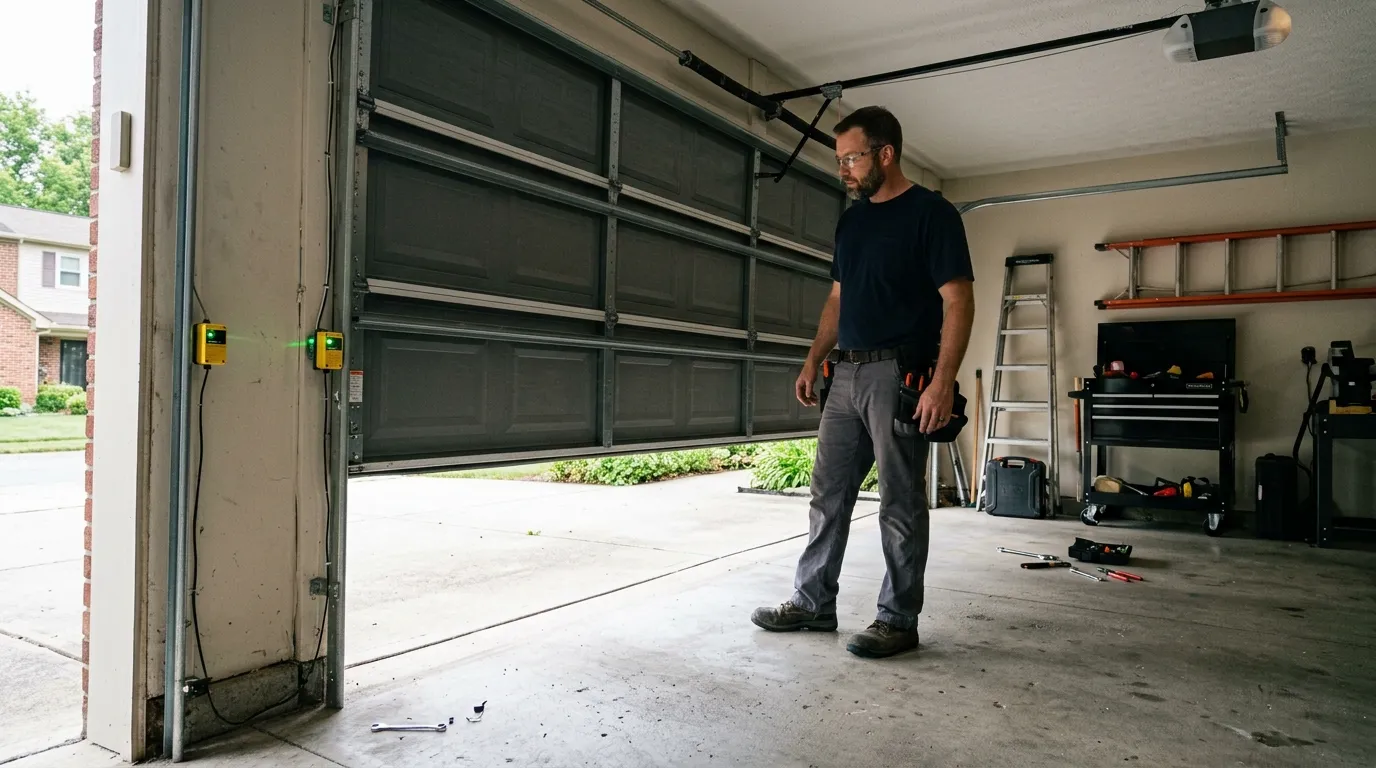
Garage door work in Charleston
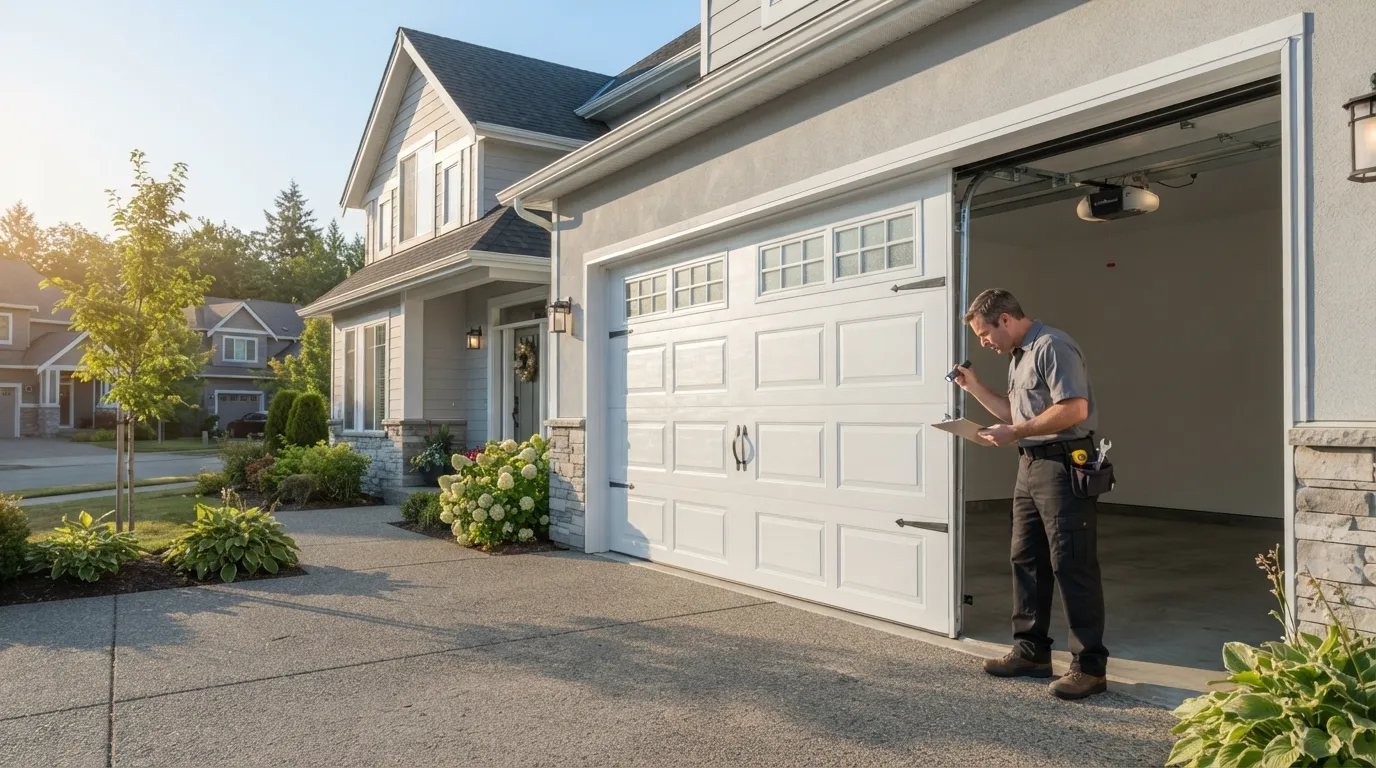
Garage Door Installation Built for Charleston's Older Openings
New garage door installation for Charleston, WV homes built 1949-1993, matched to older openings and cold-climate insulation needs. Learn more →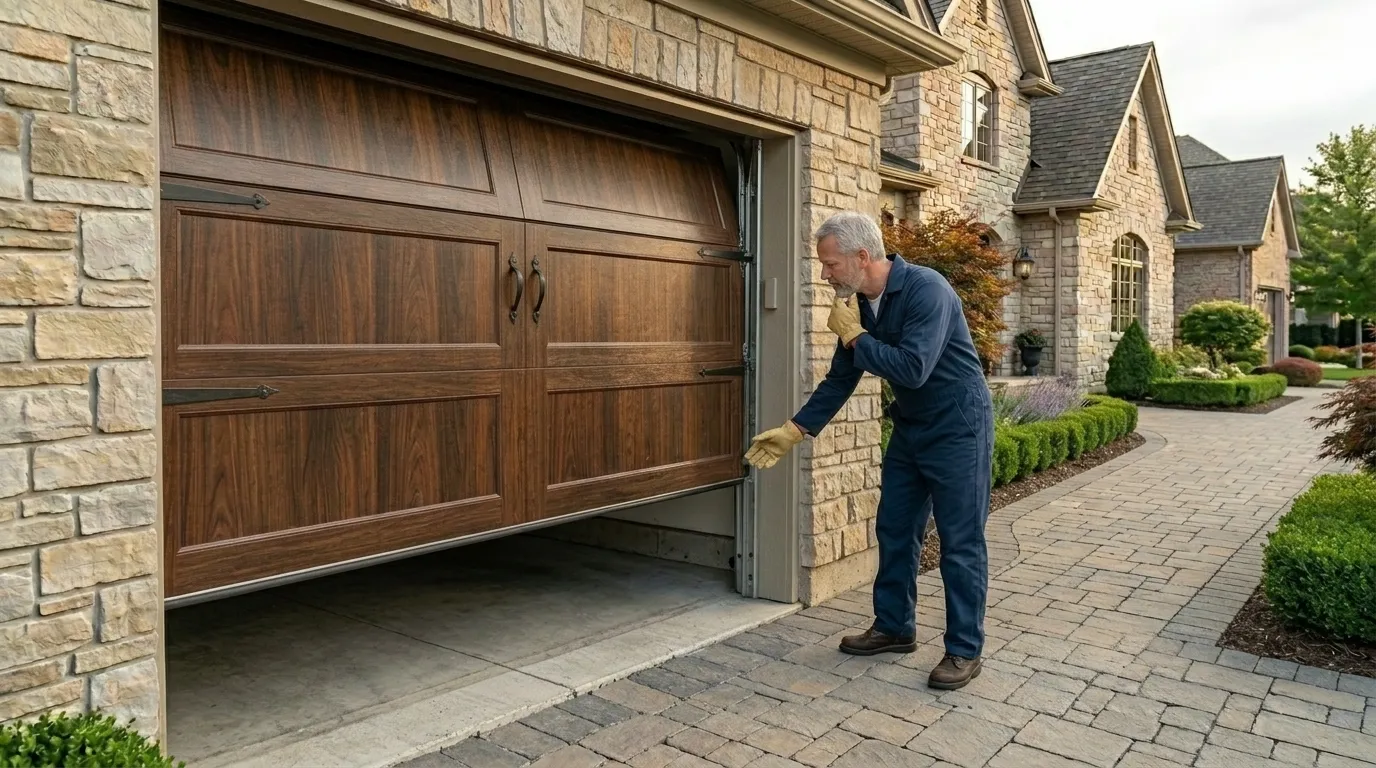
Garage Door Service for Charleston, WV Homes
Serving Charleston WV homes built 1949-1993 with torsion spring, opener, and track repairs matched to the area's cold-climate, older housing stock. Learn more →Local detail
What It Costs
There's no single number that fits every job, and we're not going to pretend there is. What drives the bill is the door width, the spring size, and whether the opener is original to the house or a later swap. A single torsion spring on a standard door is a different job than a double door with two springs that let go at once, and a cracked panel on an older steel door usually costs more in labor than the part itself because those panels aren't a stock size anymore.\n\nMost of the houses we get called to here were built between 1949 and 1993, with the bulk from the 1960s and 70s, so a lot of what we're replacing is hardware nobody makes new anymore - which can mean sourcing a compatible part instead of a drop-in match.
At a median household income of $61,160 across this area, we hear the same thing from most owners: fix it right once, don't make me call back in six months. We price the job on the phone or at the door once we see what's actually wrong, not before.\n\nOne honest limitation: if the door itself is warped, rusted through at the bottom panel, or the track is bent past straightening, replacement is usually cheaper long-term than patching it - we'll tell you that straight instead of billing you for a repair that won't hold.
The area
How It Shows Up
The most common call is a door that won't open, with the opener motor humming but the door not moving, or a loud bang from the garage followed by the door sitting dead in the track. That's almost always a broken torsion spring, and on the 1960s and 70s stock that makes up most of the housing here, those springs are original or close to it - decades past the cycle count they were rated for.\n\nOther calls come in as a door that opens crooked, one side dropping faster than the other, which usually means one cable or spring failed while its partner held.
On older single-car doors from that same era, we also see rollers that have worn oval instead of round, making the door judder loudly on the way up.\n\nA smaller number of calls are openers that click but don't lift anything - a stripped gear or a chain that's jumped its track, more common on units installed as add-ons to houses that didn't originally have automatic openers. Whatever the symptom, the pattern across this area holds: age of the house predicts the failure pretty reliably, more than anything else we see.
What we find
How We Fix It
For a broken spring, we don't patch one side and leave the other - torsion springs on a given door are matched, and running an old spring against a new one throws the balance off and shortens both their lives. We replace in pairs on double springs and re-tension the whole assembly before we leave.\n\nFor track and roller problems, we check the whole run for square first. On houses built through the 1960s and 70s, tracks were often mounted directly to framing that's shifted a little over sixty-plus years, so a roller replacement alone sometimes doesn't fix a door that's rubbing - the track needs re-aligning too, and we tell you that up front rather than replacing rollers twice.\n\nFor openers, if the motor itself is sound we replace gears, belts, or logic boards rather than the whole unit.
If the opener is old enough that parts aren't available - which happens with some models from that era - full replacement is the honest answer, and we'll say so rather than hunting for a part that's been discontinued.\n\nWe carry common spring sizes and standard hardware on the truck. Less common panel sizes or obsolete opener boards sometimes need to be ordered, and we'll tell you that lead time before we start.
How we work
Why It Happens Here
Charleston sits in a cold moderate climate band, and that matters more to a garage door than most owners think. Steel contracts in the cold, torsion springs stiffen, and the extra load on a spring that's already near the end of its rated cycles is often what finally snaps it - which is why we see a jump in spring calls through the colder stretch of the year.\n\nThe bigger factor, though, is age. Housing across this service area runs 1949 to 1993, with the median build year around 1967, and most of the stock across the 18 named areas we cover dates to the 1960s and 70s.
That means a huge share of the doors we work on are original equipment or a like-for-like replacement installed decades ago - hardware built to a lower cycle-life standard than what's sold today, on doors that have now opened and closed tens of thousands of times.\n\nWith 21,303 owner-occupied houses among the 34,040 households in this area, that's a lot of garages running the same door that came with the house. It's not bad luck when a spring goes on a house like that - it's the math catching up.
Questions
Common questions
Why did my garage door spring break with no warning?
Torsion springs fail by fatigue, not by a single event - they're rated for a certain number of open-close cycles, and once a spring passes that count it can go on any ordinary lift. In a house built in the 1960s or 70s with an original spring, that count was likely passed years ago.
Do you fix openers or just doors?
We fix openers too - gears, belts, logic boards, and sensors. If the motor is sound we repair rather than replace. If the unit is old enough that parts are no longer made, which does happen with some 1960s and 70s-era installs, we'll tell you replacement is the better call instead of hunting for a part that doesn't exist.
How do I know if my door needs a repair or a full replacement?
If the frame is square, the track is straight, and the panels aren't rusted or warped, a repair usually makes sense. If the door itself is bent, cracked at the bottom panel, or the track's frame has shifted with the house, replacement is usually the cheaper option long-term - we'll tell you which situation you're in before we start any work.
Do you come out to areas outside Charleston proper?
Yes - we cover the surrounding area including South Charleston, Dunbar, Coal Fork, Institute, Marmet, Belle, Cross Lanes, Elkview, St. Albans, Nitro, Sissonville, Alum Creek, Tornado, Poca, Cedar Grove, Teays Valley, Clendenin, Winfield, Scott Depot, and Teays.
Ready when you are
Need a garage door sorted in Charleston?
Charleston Garage Door Pros repairs and installs garage doors, springs and openers in Charleston, WV and the surrounding area.