
Guide
What a Garage Door Service Call Covers in Charleston, WV
A look at what a Charleston Garage Door Pros service call actually covers, built around this area's 1949-1993 housing stock and cold-moderate winters.
Local detail
What Local Conditions Do
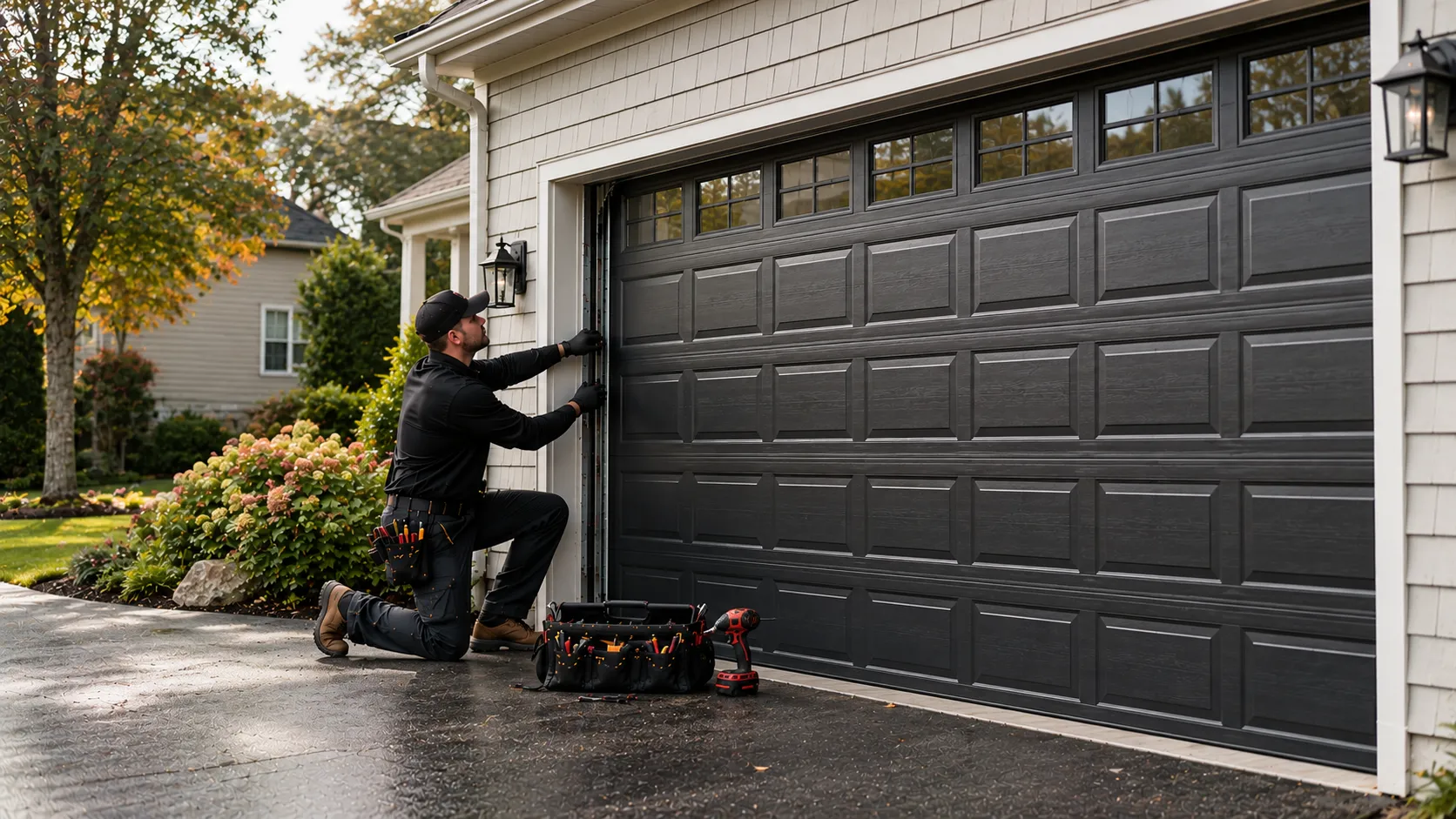
Most of the housing stock in this part of the state went up between 1949 and 1993, with the median build year sitting at 1967. Across the 18 named areas that make up the service territory, the bulk of homes date to the 1960s and 70s. That matters more than people think, because a door installed in 1967 was built to a completely different set of specs than one going in today - different spring wind, different track gauge, sometimes different opening widths entirely.
The climate band here is cold-moderate, not the deep-freeze conditions you'd get further north, but enough seasonal swing to matter. Steel expands and contracts, lubricant thickens in cold months and thins in warm ones, and bolts that were torqued down in 1971 have gone through fifty-some winters of that cycle by now. A service call in this area isn't just checking if the door opens - it's checking whether decades-old hardware is still doing what it was built to do under conditions it wasn't necessarily built to handle forever.
We don't treat every call the same because the houses aren't the same age everywhere. A door on a house from the 1949-1993 window gets a different look than a newer install would.
The area
Where People Go Wrong
The most common mistake we see is someone replacing a broken part with whatever the hardware store has in stock, without checking if it matches the wind and gauge the original 1960s-70s door was built around. A spring that's close enough often isn't - it either overworks the opener or leaves the door heavy on one side, and either way it fails again within a year or two.
The second mistake is assuming a noisy or sticking door just needs oil. On hardware this old, noise is usually a symptom of track alignment that's drifted slightly out of true after decades of freeze-thaw cycling, not a lubrication problem. Oiling it quiets things down for a week and hides the real issue.
The third mistake, and the one we can't fix over the phone, is waiting until a cable snaps or a spring fails completely before calling. On a door this old, a full failure often means finding out whether other original parts fail with it, and that changes the job from a repair to something bigger. We're honest that not every call is a quick fix - if the drum, track, and spring are all original to a 1960s install, we'll tell you straight whether patching one part is worth it.
What we find
What to Check
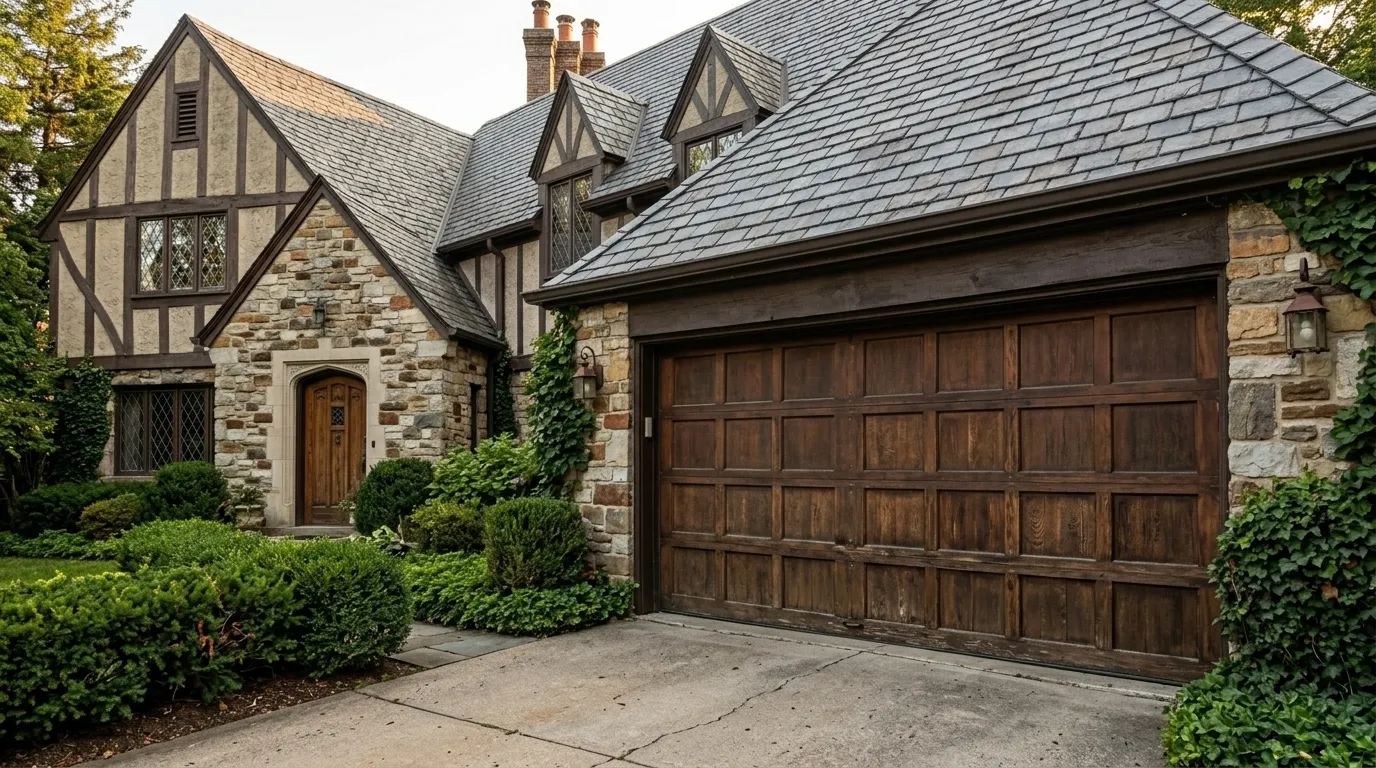
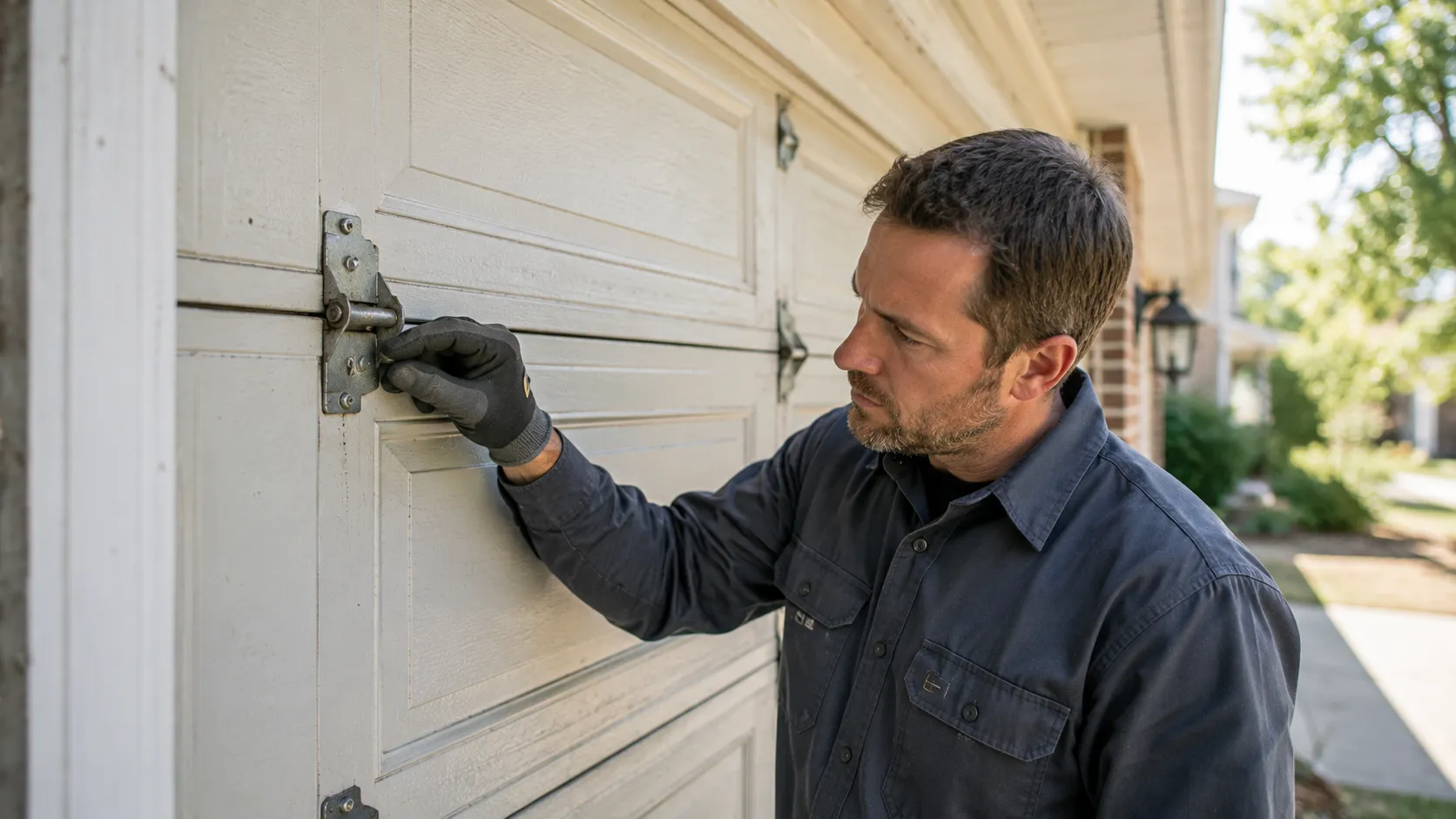
If your house falls in that 1949-1993 build range, a few things are worth checking before you call anyone. Look at the torsion spring above the door - if it's the original coil with no visible repair marks, it's decades old and closer to the end of its rated cycles than the middle. Check the safety cable running through the spring; many doors from that era were installed before cable was standard, and if there isn't one, that's worth flagging on its own.
Next, watch the door move through a full cycle and note where it hesitates or shudders. Older track brackets loosen slightly with each seasonal temperature swing, and a shudder partway up usually points to a bracket that's worked itself loose rather than anything wrong with the opener.
Finally, check the panels themselves for rust at the bottom seam. Cold-moderate winters bring enough moisture and salt runoff that bottom panels on original steel doors corrode from the inside out long before the rest of the door shows wear. None of this replaces an actual inspection, but it tells you whether you're looking at a five-minute adjustment or a hardware swap before the truck even shows up.
How we work
The Situation
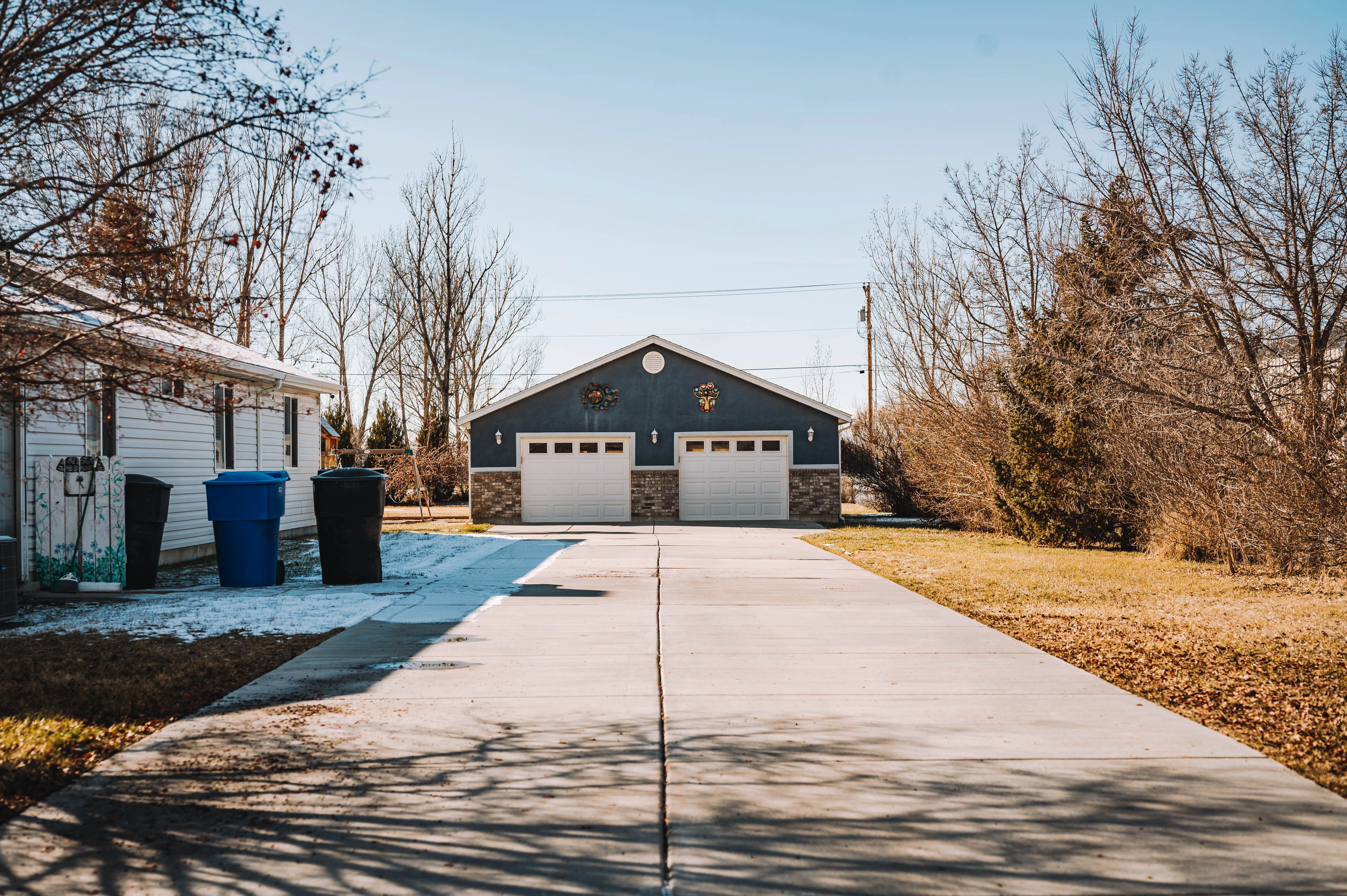
This is a service area of roughly 34,040 households, about 21,303 of them owner-occupied houses, spread across South Charleston, Dunbar, Coal Fork, Institute, Marmet, Belle, Cross Lanes, Elkview, St. Albans, Nitro, Sissonville, Alum Creek, Tornado, Poca, Cedar Grove, Teays Valley, Clendenin, Winfield, and the Scott Depot and Teays areas to the WNW. A lot of those houses were built inside that same 1949-1993 window, which means the calls we get across all of them tend to rhyme with each other - old spring, old track, old cable, worn the same way by the same winters.
Median household income across the area sits at $61,160, and what that tends to mean in practice is that most owners want a door that works reliably again, not a full replacement dressed up as a repair. We size the job to match that - fix what's fixable, and say so plainly when it isn't.
We don't stock every spring size for every era of door on the truck at all times; some of the older wind configurations take a day or two to source. That's the honest limitation - if your hardware is unusual for its age, the first visit may be diagnosis, and the fix comes on a second trip.
Questions
Common questions
Why does my garage door spring keep failing even after I replace it?
If your house dates to the 1960s or 70s, the replacement spring may not match the original wind and gauge. A close-but-not-exact spring overworks the opener or leaves the door unbalanced, which shortens its life. Matching the spring to what the door was actually built with usually fixes the repeat-failure pattern.
Does the cold weather here actually affect my garage door?
Yes, in a cold-moderate climate the freeze-thaw cycle each winter loosens bolts and shifts track alignment over years, especially on hardware installed decades ago. It's rarely dramatic in any single season, but on a door built in the 1960s or 70s, that slow drift adds up to noise, sticking, or a shudder partway through the cycle.
Is it worth repairing an original door from a 1960s house, or should I replace it?
It depends on what's failed. If the track and drum are sound and it's one part, like a spring or cable, repair usually makes sense. If several original parts are failing at once, that's a sign the whole assembly is at the end of its life, and we'll tell you when that's the case instead of patching it piece by piece.
Ready when you are
Need a garage door sorted in Charleston?
Charleston Garage Door Pros repairs and installs garage doors, springs and openers in Charleston, WV and the surrounding area.