
Charleston, WV
Garage Door Service for Charleston, WV Homes
Serving Charleston WV homes built 1949-1993 with torsion spring, opener, and track repairs matched to the area's cold-climate, older housing stock.
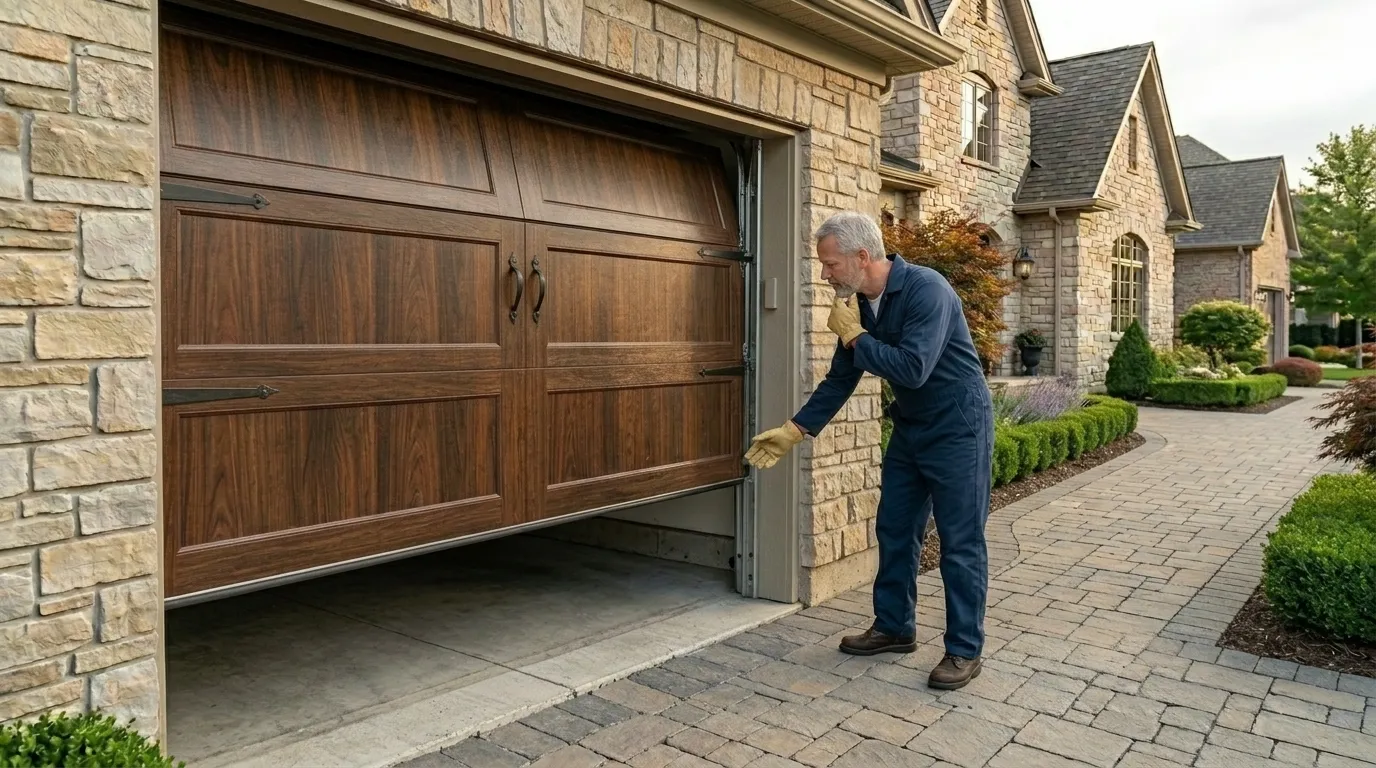
What we do
Garage door work in Charleston
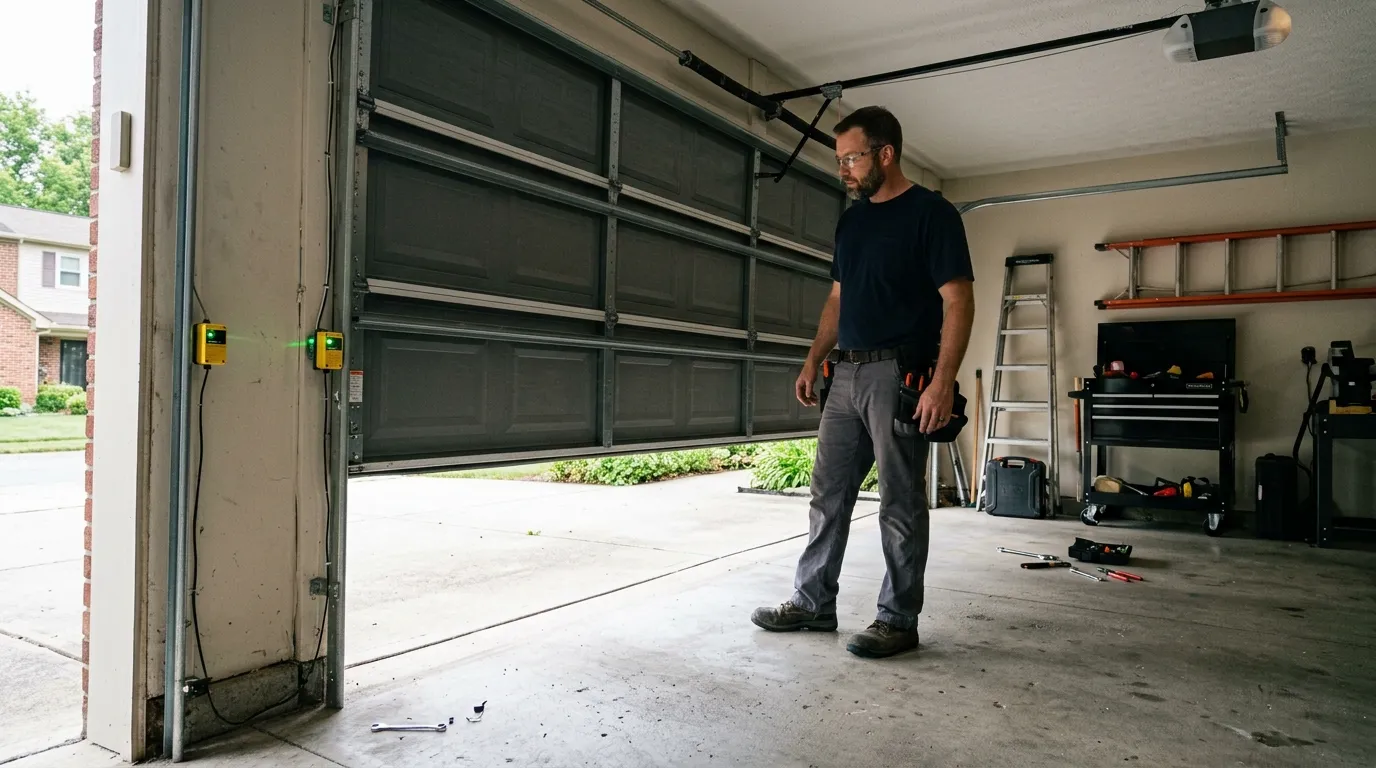
Fixing Garage Doors Built for Charleston's 1960s and 70s Homes
Charleston Garage Door Pros repairs broken springs, openers, and tracks on the 1960s-70s doors common across Charleston, WV homes built between 1949 and 1993. Learn more →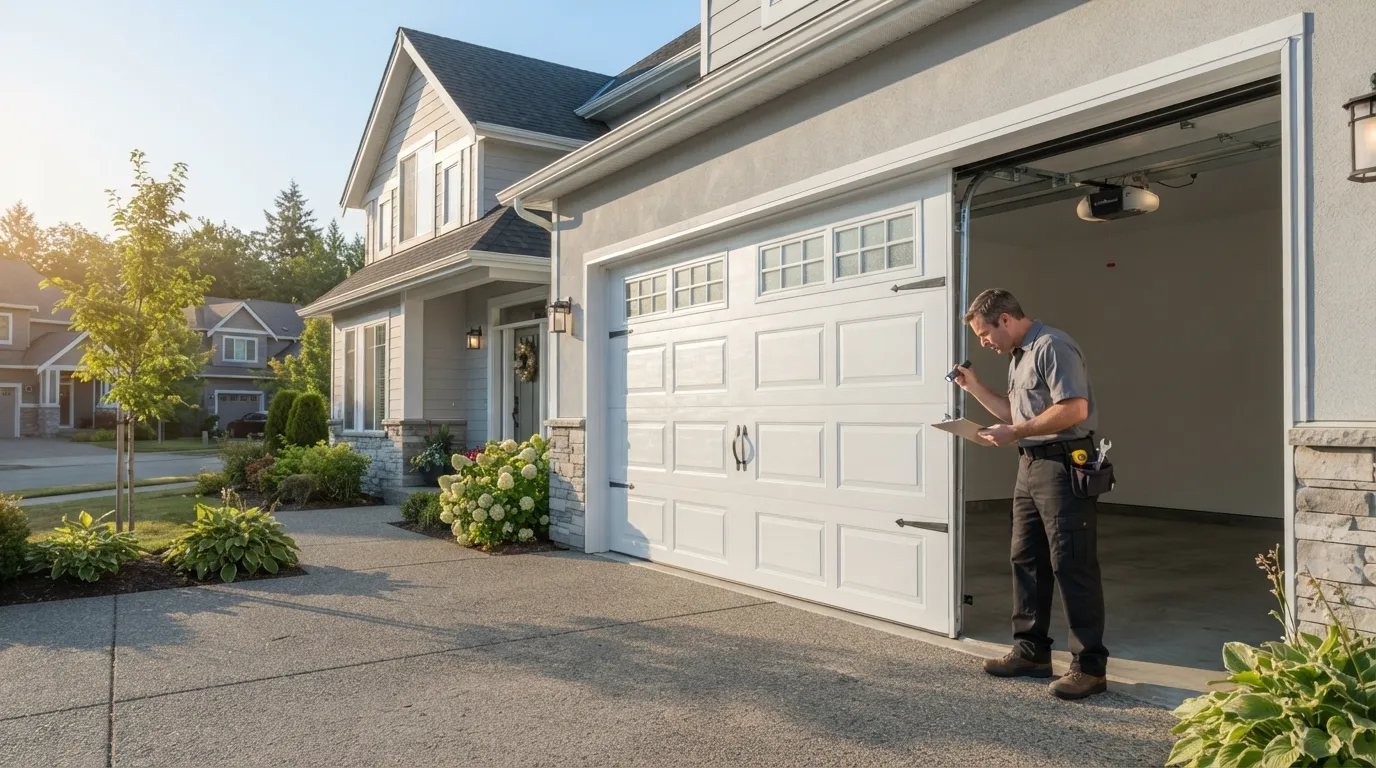
Garage Door Installation Built for Charleston's Older Openings
New garage door installation for Charleston, WV homes built 1949-1993, matched to older openings and cold-climate insulation needs. Learn more →Local detail
What It Costs
We can't quote a number without seeing the door, because what drives the bill in Charleston isn't the trip out - it's what's behind the panel. A house built in the 1960s or 70s, which covers most of the 18 named areas we work across including South Charleston, Dunbar, and St. Albans, is likely to still have its original torsion hardware or a first-generation replacement.
That means non-standard spring sizes, drums that don't match current stock, and sometimes a jamb that's shifted enough that a new door won't hang square without extra bracing. Newer openers and rollers are usually the cheap part of any job. The spring, the track realignment, and any wood jamb repair on an older frame are where the cost lives.
With a median household income of $61,160 across the service area, most of our customers are weighing repair against replacement on a tight budget, and we'll tell you straight which one makes sense for a given door rather than upsell the bigger job. One honest limit: if the header behind the track has rotted from age, that's carpentry, not garage door work, and we'll say so before we start.
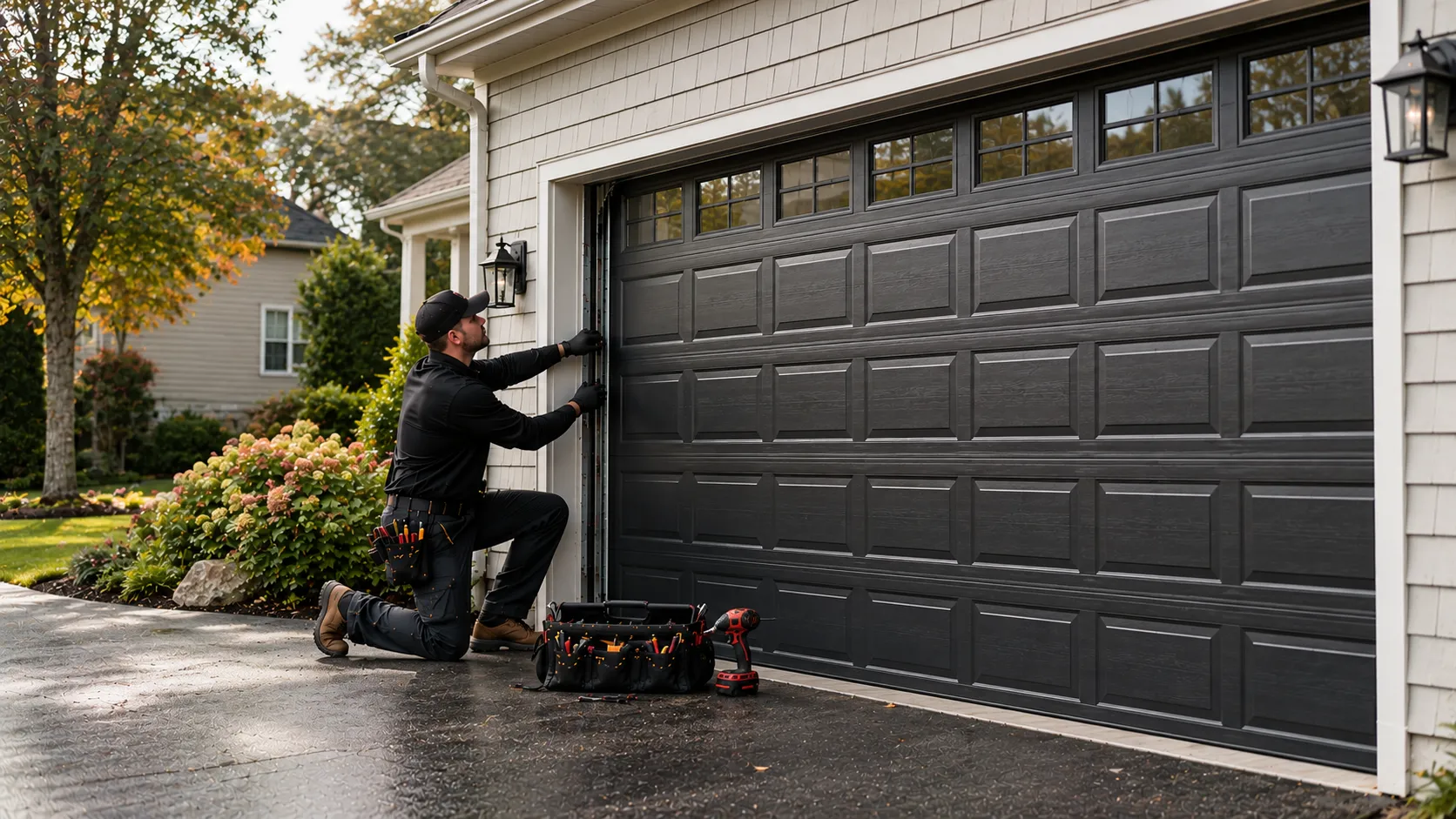
The area
How It Shows Up
The most common call we get from this area is a door that won't open past a foot or two, then reverses - that's a torsion spring that's lost tension, and on houses from the 1960s and 70s it's often the original spring, forty-plus years past its rated cycle count. Second most common: a door that opens fine in the afternoon but binds or groans on a cold morning start. That's steel contracting in a moderate-cold climate band, tightening tolerances on tracks that were never insulated to begin with.
You'll also hear a single loud snap from the garage, usually early morning in winter, which is the spring giving out under cold-stiffened tension rather than wear alone. On the newer end of the 1949-1993 stock, we see opener gear-and-sprocket failure more than spring failure, since those garages were built with early chain-drive units that are now well past their working life.
What we find
How We Fix It
For a broken torsion spring, we match the wire size and wind to the door's actual weight rather than grab a generic replacement - a lot of the mismatched springs we replace in this area were installed as a quick fix that didn't account for the door's original 1960s-era steel gauge, which runs heavier than modern panels. We check both the header and the track alignment at the same visit, since houses in this age range have often settled enough to throw the tracks out of square even when the spring looks fine.
If the opener is the failure point, we test the gear set and the logic board before replacing the whole unit - sometimes it's a fifteen-dollar part, sometimes it's not worth fixing at all. Where we hit a wall: doors with severely rotted jambs need a carpenter before we can safely rehang anything, and we won't force new hardware onto a frame that can't hold it.
How we work
Why It Happens Here
Charleston's residential garages mostly went up between 1949 and 1993, with the bulk clustered in the 1960s and 70s across the service area's 18 named neighborhoods - that's a lot of original hardware still in service decades past its intended life. Pair that with a cold-moderate climate band and you get a specific failure pattern: steel springs and tracks that tighten up in winter, adding load right at the moment the hardware is already fatigued from age.
It's not a coincidence that our busiest weeks tend to follow the first hard cold stretch. Areas like Sissonville, Marmet, and Cross Lanes, sitting a bit further out, tend to have slightly older stock on average, so we see more full spring and track replacements out that way versus opener-only fixes closer into town.
Questions
Common questions
Why did my garage door spring break in the cold?
Torsion springs are wound steel, and steel stiffens as it cools. In Charleston's cold-moderate winters, a spring that's already fatigued from age - common in houses built in the 1960s and 70s - is under more load on a cold morning than it was designed for, so it tends to fail right when temperatures drop.
Is my garage door opener too old to fix?
Depends on the failure. If it's a worn gear or a bad logic board, we can usually repair it. If the motor itself has failed on a unit from the earlier end of the 1949-1993 housing range, replacement is often cheaper than sourcing obsolete parts. We'll tell you which situation you're in before doing any work.
Do you work outside Charleston proper?
Yes, we cover the surrounding service area including South Charleston, Dunbar, Coal Fork, Institute, Marmet, Belle, Cross Lanes, Elkview, St. Albans, Nitro, Sissonville, Alum Creek, Tornado, Poca, Cedar Grove, Teays Valley, Clendenin, Winfield, and Scott Depot.
Why does my door bind only in winter?
Cold-tightened track tolerances are the usual cause, especially on houses from the 1960s-70s where the track was never insulated or shimmed to modern spec. The metal contracts slightly, the rollers meet more resistance, and the door catches or groans on its way up until it warms.
Ready when you are
Need a garage door sorted in Charleston?
Charleston Garage Door Pros repairs and installs garage doors, springs and openers in Charleston, WV and the surrounding area.