
Institute, Charleston WV
Garage Door Service for Institute, WV
Serving Institute, WV's roughly 210 households from Charleston, 8 miles out. We know the 1970s-era doors and hardware common to this stretch of the valley.
Local detail
What We Do Not Do
We don't keep a truck stationed in Institute. We run out of Charleston, about 8 miles east, and that's the honest answer if you're wondering why we're not the first name that comes up on a map search of this area. We also don't do same-day promises we can't back up, and we don't tell a homeowner a repair is needed when a $30 part will do the job. If your opener is original to a mid-1970s build and the circuit board is fried, sometimes replacing the whole unit costs less in the long run than chasing parts for a discontinued model. We'll say so plainly instead of running up a bill on a unit that's on its way out anyway.
We also don't work on doors we haven't seen. Quotes over the phone for anything beyond a spring swap or a basic service call are rough numbers at best, because with roughly 210 households in Institute built across a fairly narrow window, the hardware tends to be consistent, but not identical house to house.
The area
What Was Built Here
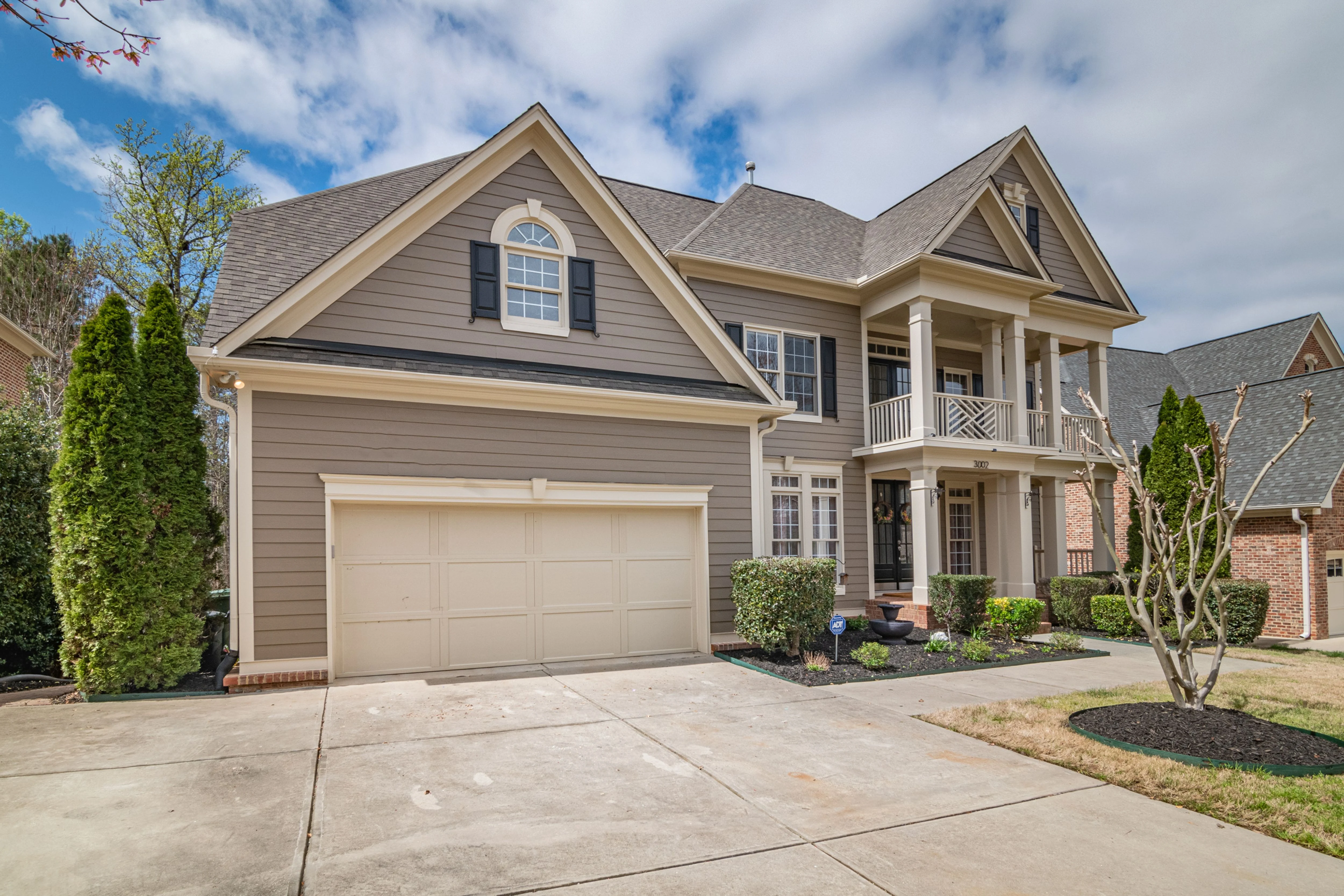
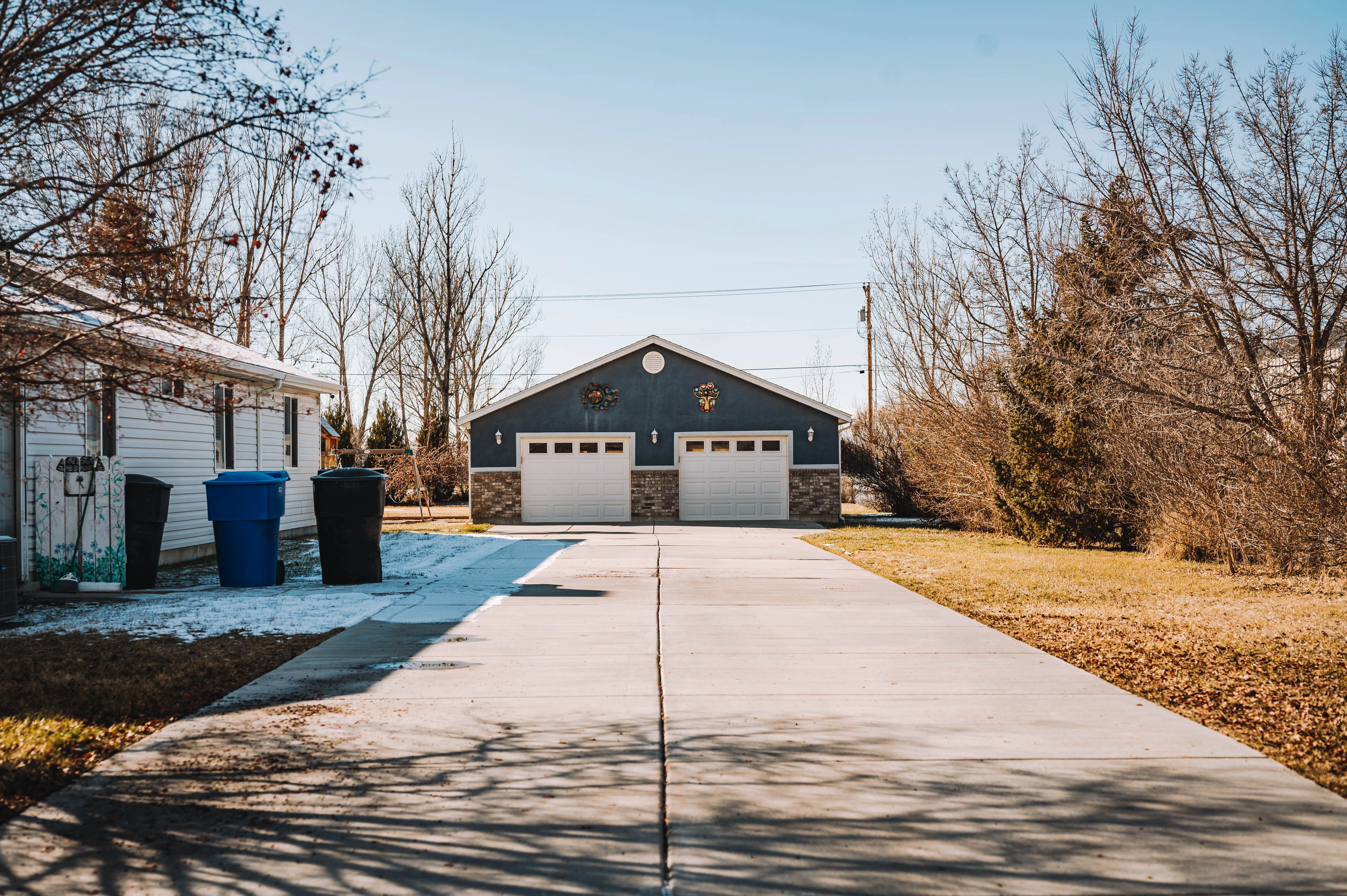
Institute's housing stock centers on 1976, which puts it a bit newer than the 1967 median across the wider Charleston service area covered by F1. That gap matters more than it sounds like. Doors and openers installed through the mid-to-late 1970s were often steel sectional replacements for the older wood or one-piece doors common in earlier subdivisions, paired with torsion springs sized for slightly heavier panels than what you'd see on a house from the late 1940s or 50s. With about 210 households in the area, most of what we run into here are those mid-70s steel doors reaching or past the end of their spring life, plus openers from later retrofits that don't always match the original track hardware.
That means when we get a call from Institute, we're not guessing at a decades-old wood door setup - we're expecting torsion hardware sized for a 1970s steel panel, and we bring parts accordingly.
What we find
When We Can Get There
Institute sits about 8 miles from our shop in Charleston, which puts it within the closer half of our coverage area alongside South Charleston and Dunbar. We don't publish a guaranteed arrival window because that number depends on where our trucks already are that day, but 8 miles is a short run compared to some of the farther towns we cover, like Winfield or Teays Valley out past 17 miles.
We schedule Institute calls the same way we schedule anywhere close to Charleston - by order received and by what the job needs, not by a zip code priority list. If you've got a door that won't close and it's sitting open, say so when you call. We move those up.
How we work
How That Shows Up in the Door
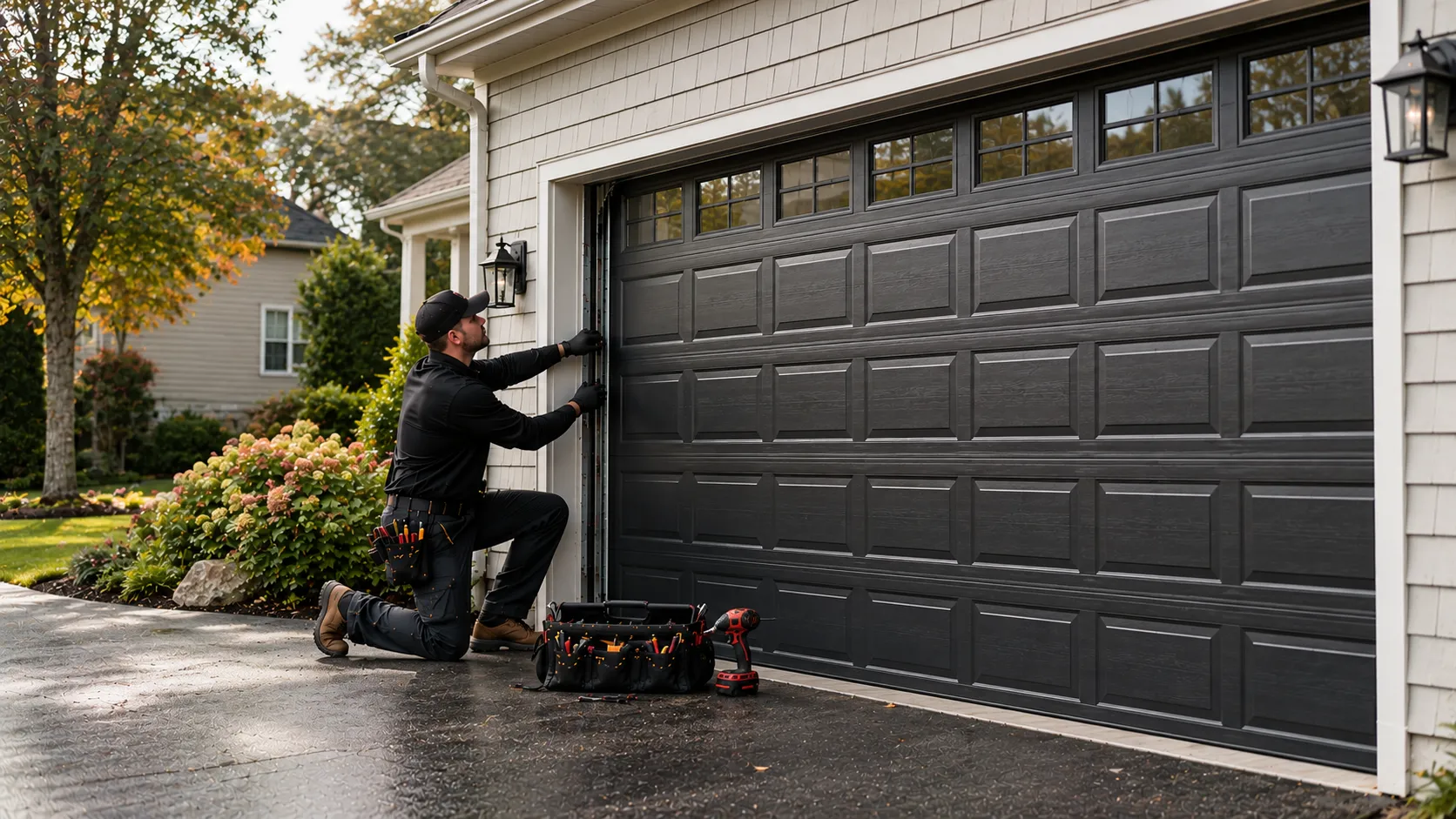
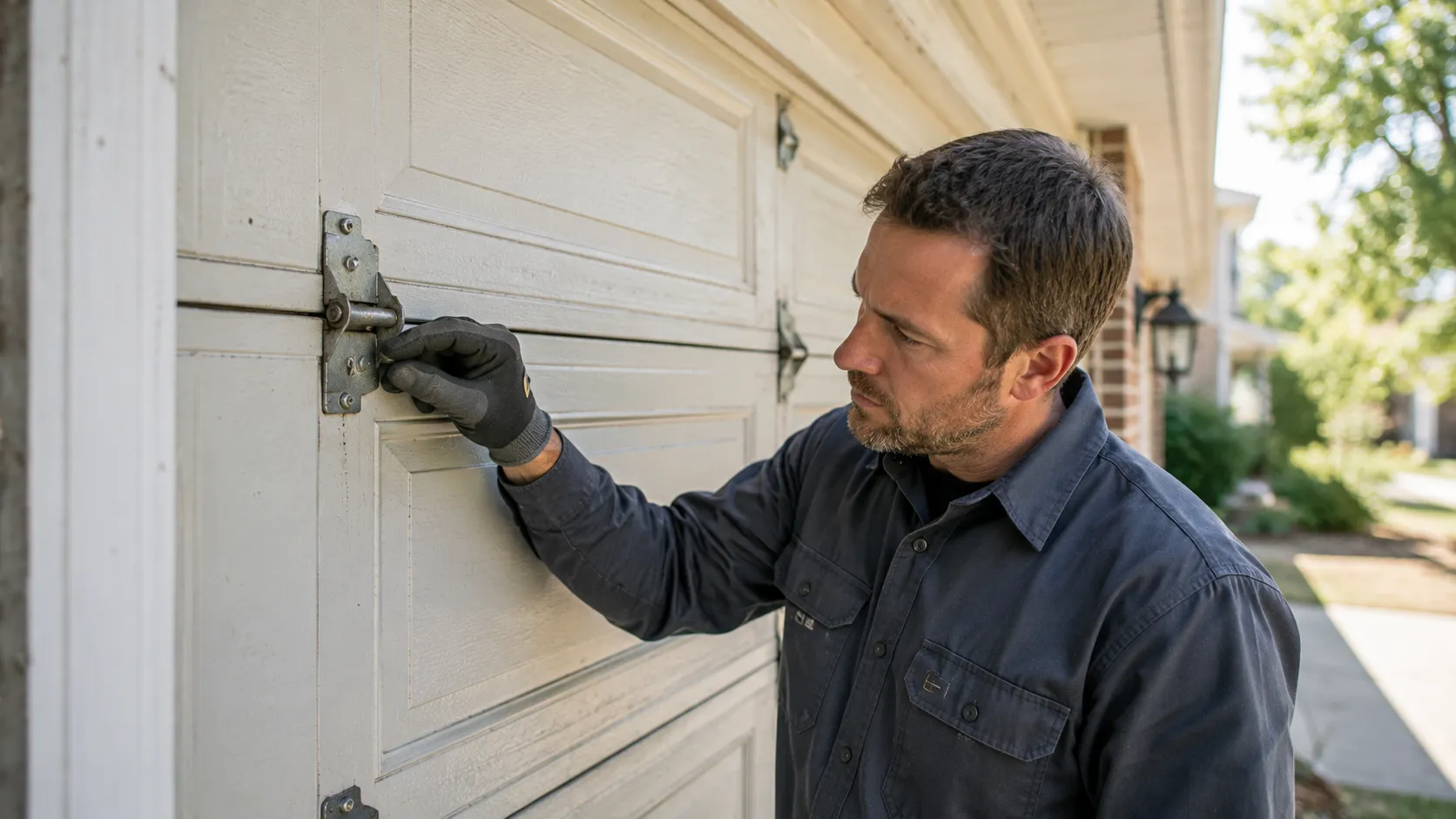
On a 1976-era steel door, the failure we see most is a torsion spring that's simply worn out its cycle count - these doors are old enough now that original springs are long past due, if they haven't already been swapped once. Rollers on these units are often the older nylon or steel type without sealed bearings, so a door that's gotten noisy or jerky partway up the track is usually roller wear, not a bent track.
Openers are the other common call. A house built in 1976 didn't come with today's opener technology - most of what's on these doors now is a replacement unit installed at some later point, and those installs don't always update the safety sensors or match the original bracket spacing. We check both when we're out for an opener call, because a mismatch there is often the real reason a door reverses or won't close all the way.
With a median household income of $47,625 in Institute, we try to steer toward the repair that actually needs doing rather than a wholesale replacement, unless the door or opener is far enough gone that fixing it piecemeal doesn't make sense.
 20 areas covered
Service areas
Other areas we cover near Institute
Questions
Common questions
Do you have a location in Institute?
No. We run out of Charleston, about 8 miles away, and cover Institute along with the other nearby communities. We don't claim a local depot here - just want to be upfront about that.
Are garage doors in Institute mostly older or newer than Charleston's average?
Slightly newer. Institute's housing centers on 1976, compared to a median of 1967 across the broader service area. That means more steel sectional doors and fewer of the older wood or one-piece styles you'd find in earlier-built neighborhoods.
What's the most common repair call from Institute?
Worn torsion springs on 1970s-era steel doors, and opener mismatches from later retrofit installs. Both are common on housing stock from that build era, especially once original hardware has run its full cycle count.
Will my quote match what a Charleston homeowner pays?
Rough estimates over the phone are similar, but exact pricing depends on the door and hardware we find on site. We don't have area-specific pricing to quote here beyond what applies across our service area.
Ready when you are
Need a garage door sorted in Charleston?
Charleston Garage Door Pros repairs and installs garage doors, springs and openers in Charleston, WV and the surrounding area.