
Guide
When the Power Cuts Out on a Charleston Garage Door Opener
Charleston homes built mostly 1949-1993 pair older opener wiring with cold-moderate winters. Here's what breaks first when the power drops and what to check before it does.
Local detail
What Local Conditions Do
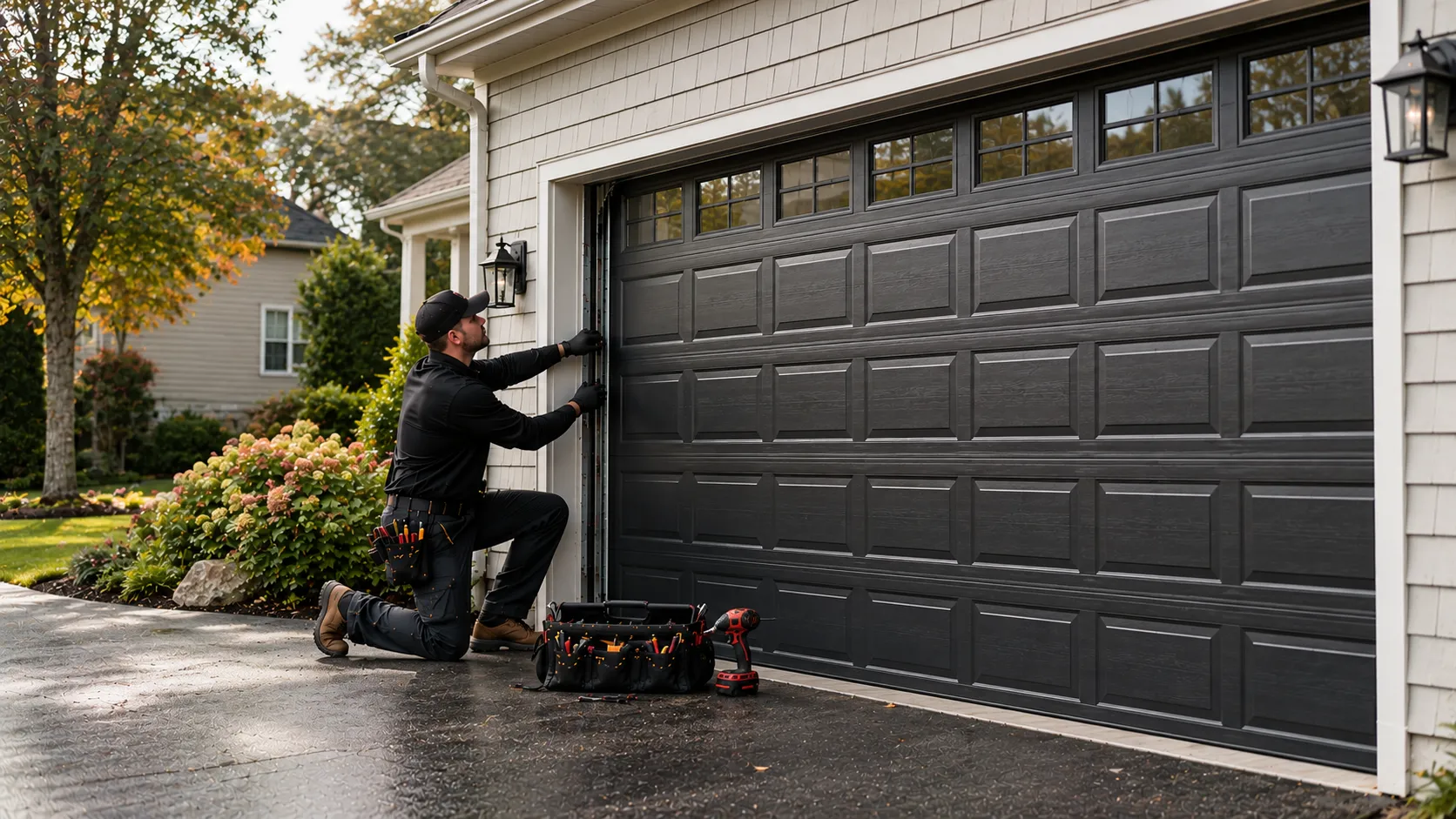
Most houses across the Charleston service area went up between 1949 and 1993, with the median build year landing around 1967. That matters more than people think when the power drops. A house wired in the 1960s or 70s often has a garage circuit that was an afterthought - one outlet, sometimes shared with a freezer or a shop light, run on wiring that predates the grounded-circuit expectations builders work to now. When that circuit trips or the block loses power, the opener doesn't gently pause. It stops mid-cycle, sometimes half-open, sometimes down and locked on the track.
Charleston sits in a cold-moderate climate band, and that's the second half of the problem. A power cut in July is an annoyance. A power cut in January, with a door stuck up or stuck down and the garage acting as a wind tunnel into an attached mudroom or laundry room, is a different kind of problem. Cold makes steel cable and old nylon gears less forgiving, and it's exactly the kind of night the power tends to go out in this part of the state.
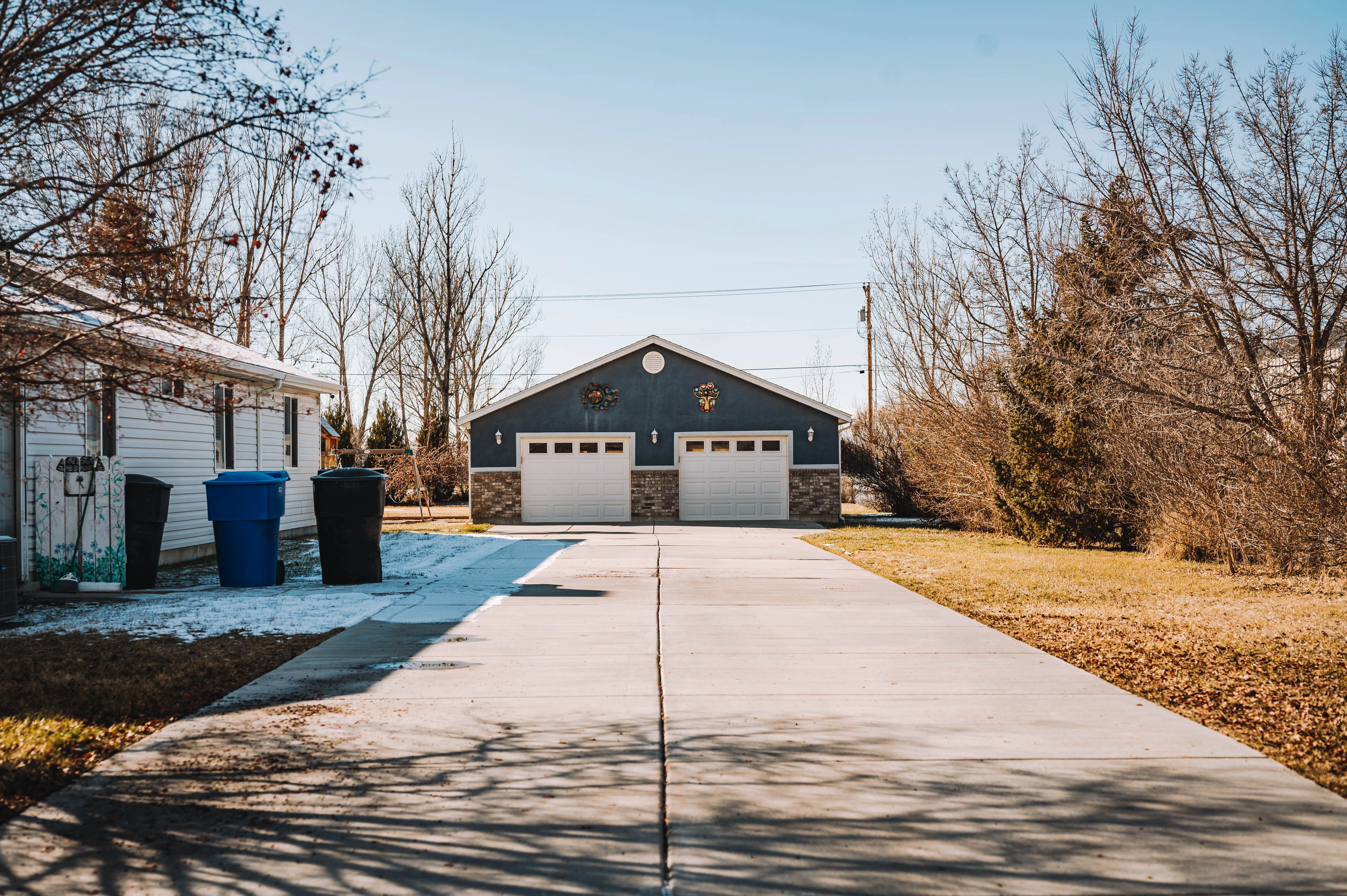
None of this is unique to any one street. It's a pattern that shows up because of when this area was built and where it sits climate-wise, not because of anything dramatic.
The area
Where People Go Wrong
The most common mistake we see in homes from this 1949-1993 build window is assuming the manual release cord is optional. It isn't, especially on original one-piece and older sectional doors still running the opener installed decades after the house itself was built. When the power cuts and someone tries to force the door by hand without pulling the release first, they're fighting the opener's gearbox, not just the door's weight. That's how a stripped gear or a bent track happens on a door that was otherwise fine.
The second mistake is wiring a newer opener into an old circuit and assuming it fixes the power problem. It doesn't. A battery backup on the opener helps with a short outage, but it does nothing for a breaker that's original to a 1960s panel and already carrying more than it was sized for. People replace the opener and skip the circuit, then wonder why the same thing happens again next winter.
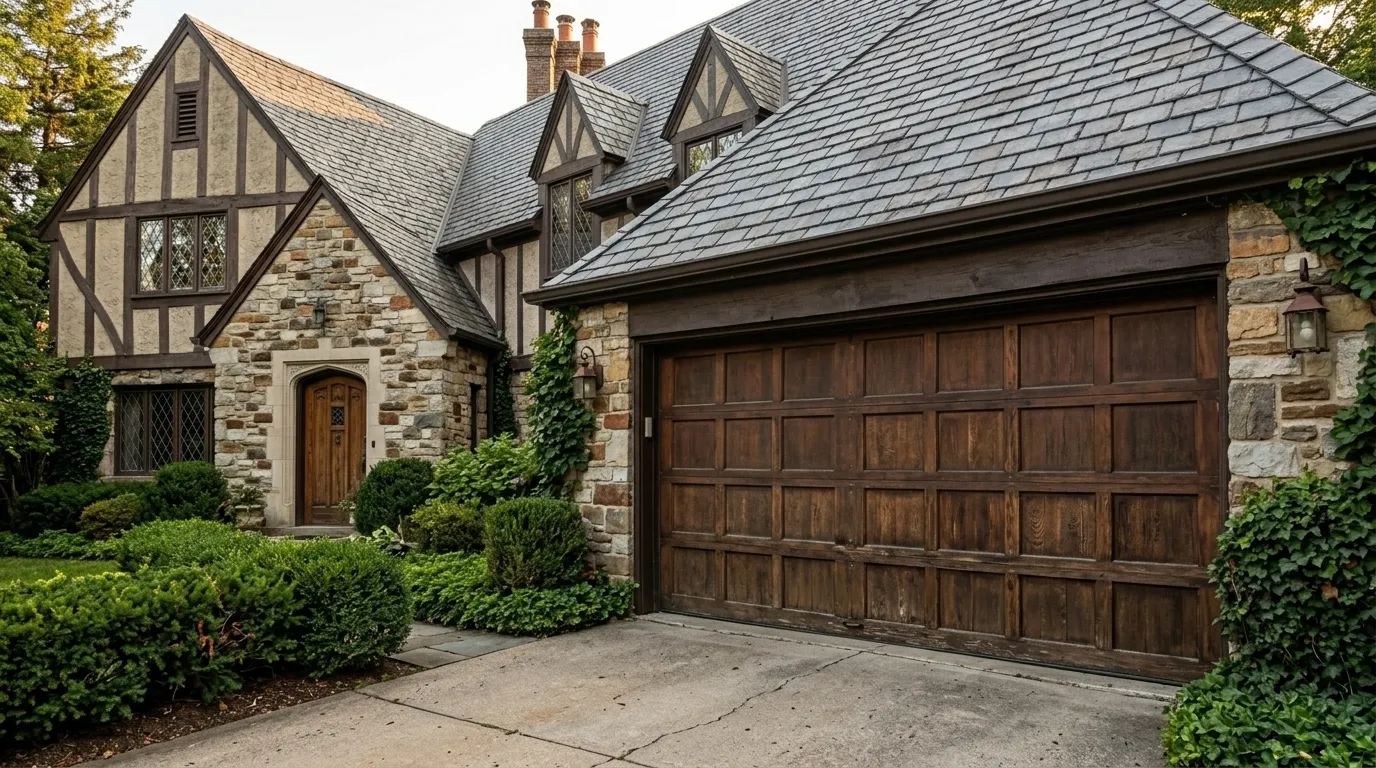
Third: across the 18 named areas of mostly 1960s-70s stock we cover, a lot of owners don't know where their manual release cord even is, because the opener's been swapped once or twice since the house was built and nobody pointed it out to the next owner.
What we find
What to Check
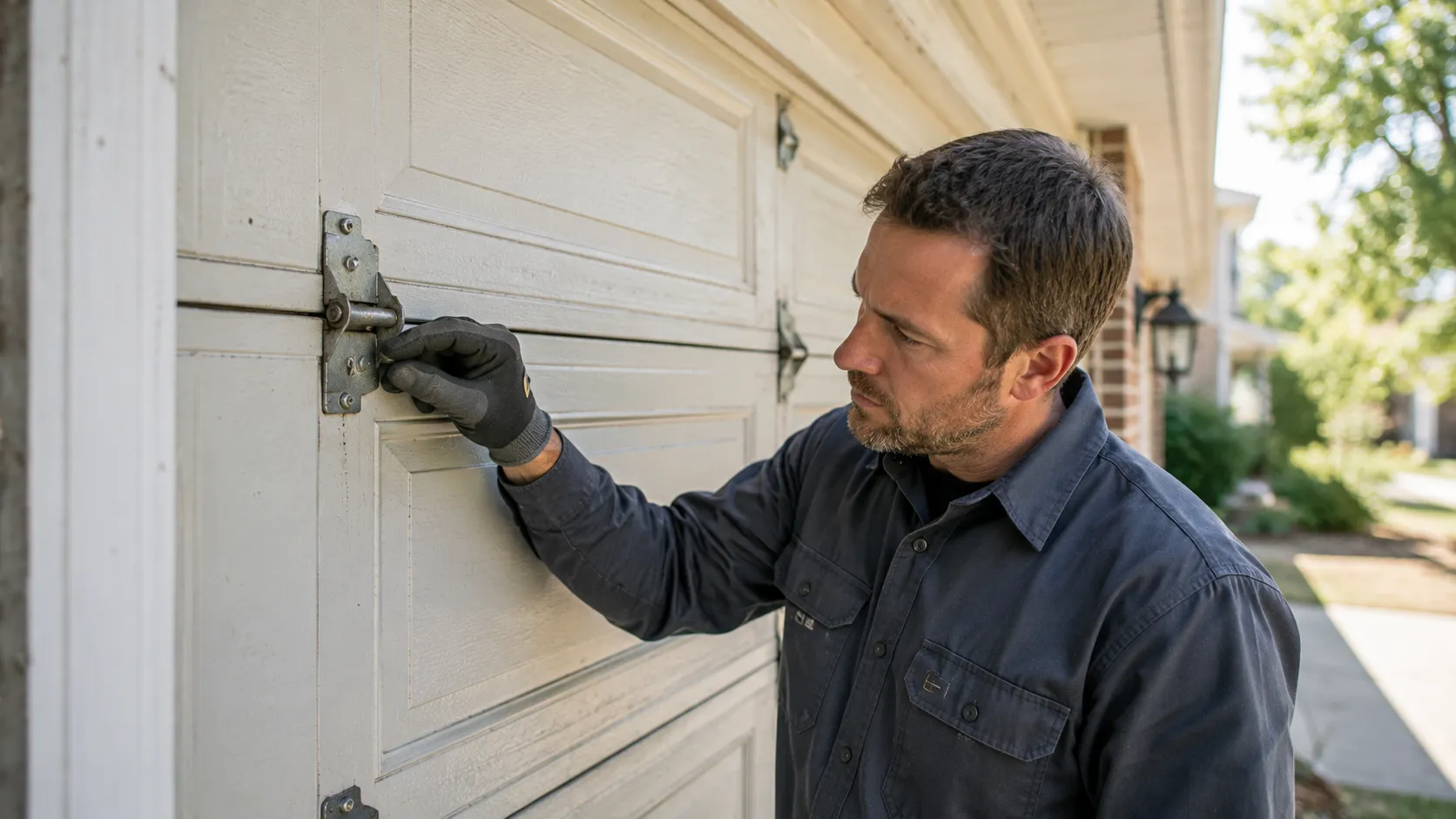
Before the next outage, not during one: find the manual release cord and pull it once, off-power, so you know what it feels like and how the door moves without the opener fighting you. If it's stiff or the door doesn't want to slide by hand, that's a spring or roller issue, not a power issue, and worth a call before winter, not after.
Check what the garage circuit is shared with. If it's one breaker feeding the opener, an outlet, and anything else, that breaker is more likely to trip on a cold night when something else in the house draws extra current. Homes built in this area's 1949-1993 window often have a garage on its own small circuit or none at all - worth knowing which you have.
If your opener has a battery backup, check that it's still holding charge, not just installed. Backup batteries fail quietly and you don't find out until the outage that needed them.
We don't rewire houses. If the circuit itself is the problem - old, undersized, shared wrong - that's an electrician's job, not ours. We'll tell you straight if that's what we're looking at rather than selling you an opener that won't fix it.
How we work
The Situation
Across the Charleston service area - 34,040 households, 21,303 of them owner-occupied houses, most built before 1993 - the opener-and-power-cut problem isn't rare, it's just spread out. South Charleston, four miles out, and Dunbar and Coal Fork at six each, sit in the same build era and the same climate band, so the same wiring-age and cold-snap pattern shows up there too. Further out toward Cross Lanes, St. Albans, and Nitro, ten miles or so from us, it's the same story on the same vintage of housing.
Median household income here runs around $61,160, which is worth mentioning because it shapes the real question: repair the opener and circuit issue, or replace a door that's already fighting its own weight on old hardware. We'd rather tell you which one you actually need than talk you into the bigger job.
If your opener's cutting out or acting strange every time the power blinks, that's worth a look before the cold sets in for good, not after the door's frozen in a bad spot.
Questions
Common questions
Why does my garage door opener stop working every time the power flickers, even briefly?
In a lot of Charleston homes built before the 1990s, the opener runs off a garage circuit that was added on later and wasn't sized generously. A brief flicker can trip a breaker that's already near its limit, especially when something else in the house is drawing power. The opener doesn't fail - the circuit does.
Is a battery backup enough to get through a power cut here?
It helps for a short outage, letting you open the door a few times before it drains. It won't fix an undersized or shared circuit, and it won't help if the outage runs long. Check the battery holds charge before winter, since backups fail quietly and you often don't find out until you need one.
Can I force the garage door open by hand if the power's out?
Pull the manual release cord first. Forcing the door without releasing it fights the opener's gearbox and can strip a gear or bend the track on a door that was otherwise fine. Find the cord and test it once with the power on, so you're not hunting for it in the dark.
Do you handle the electrical side if the circuit itself is the problem?
No. If the garage circuit is old, undersized, or shared wrong, that's an electrician's job. We'll tell you plainly if that's what's causing the repeat outages rather than selling you a new opener that won't solve it.
Ready when you are
Need a garage door sorted in Charleston?
Charleston Garage Door Pros repairs and installs garage doors, springs and openers in Charleston, WV and the surrounding area.