
Guide
Cold Weather and Broken Springs: What Charleston Homeowners Are Dealing With
Charleston's 1960s-era housing stock and cold-moderate winters put real strain on torsion springs. Here's what actually breaks, and what to check before you call.
Local detail
What Local Conditions Do
Steel contracts in the cold, and a torsion spring that's already fatigued from years of cycling doesn't handle that shrinkage well. Charleston sits in a cold-moderate climate band, which means the area gets enough hard freezes each winter to matter, but not the deep-freeze extremes that some regions plan hardware around. That in-between zone is actually rougher on aging springs than a truly harsh climate is, because homeowners here don't always think of their garage door as a cold-weather risk until a spring lets go on a January morning.
Add in the housing stock. Most of the homes in this service area were built between 1949 and 1993, with a lot of that stock concentrated in the 1960s and 70s. A spring installed or replaced during a remodel decades ago is well past its expected cycle count by now. Cold snaps don't cause the failure so much as they finish a job that years of use already started. The door that's been a little heavy to lift by hand, or a little noisy going up, is the one that goes in the first real cold spell of the season.
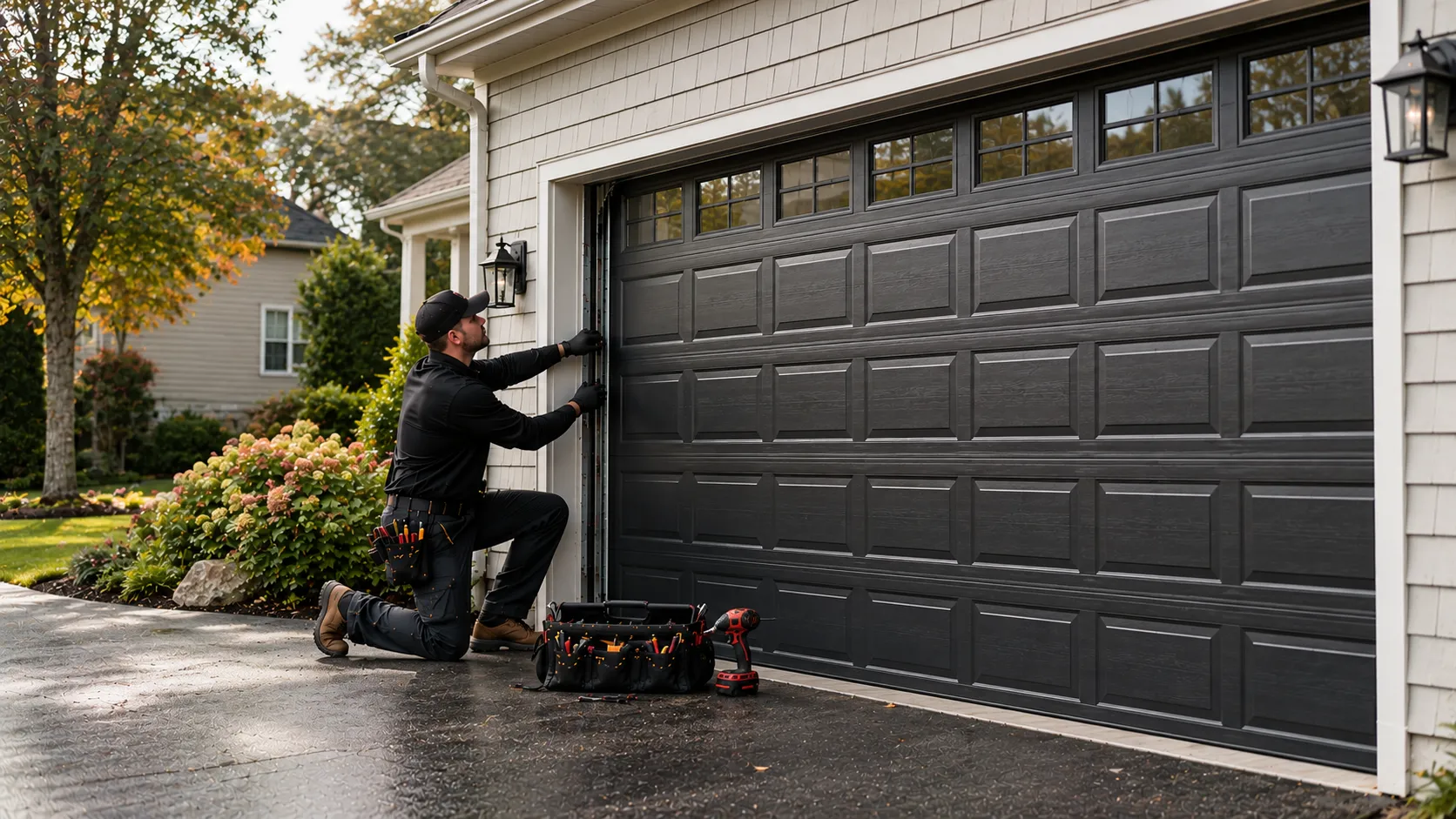
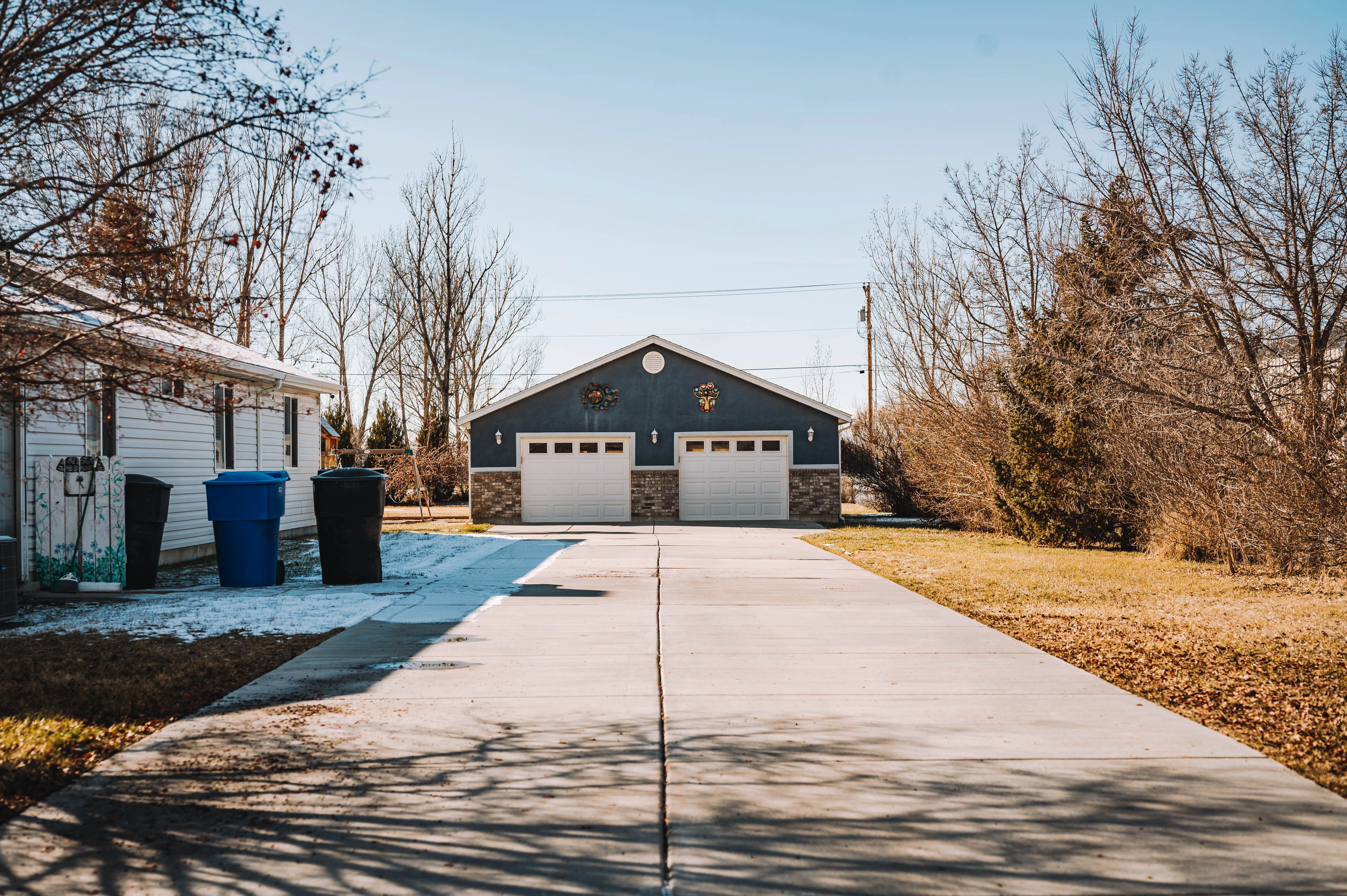
The area
Where People Go Wrong
The most common mistake is treating a stiff, slow-moving door in cold weather as normal and waiting it out. On a house from the 1960s or 70s stock that makes up so much of this area, that stiffness is usually the spring telling you it's near the end, not the cold telling you to be patient.
The second mistake is trying to force the door open manually when the opener struggles in cold weather. If a spring is already weakened, forcing the door puts the full weight on the cables and the opener's drive gear, and that's how a spring failure turns into a broken cable or a stripped opener in the same afternoon.
The third mistake, and it's an honest one, is assuming any technician can just swap the spring and be done. On homes from this era, the torsion hardware and drums are sometimes original or close to it, and a straight parts swap isn't always possible without adapting the shaft or mounting. That's not a five-minute job, and it shouldn't be sold as one.
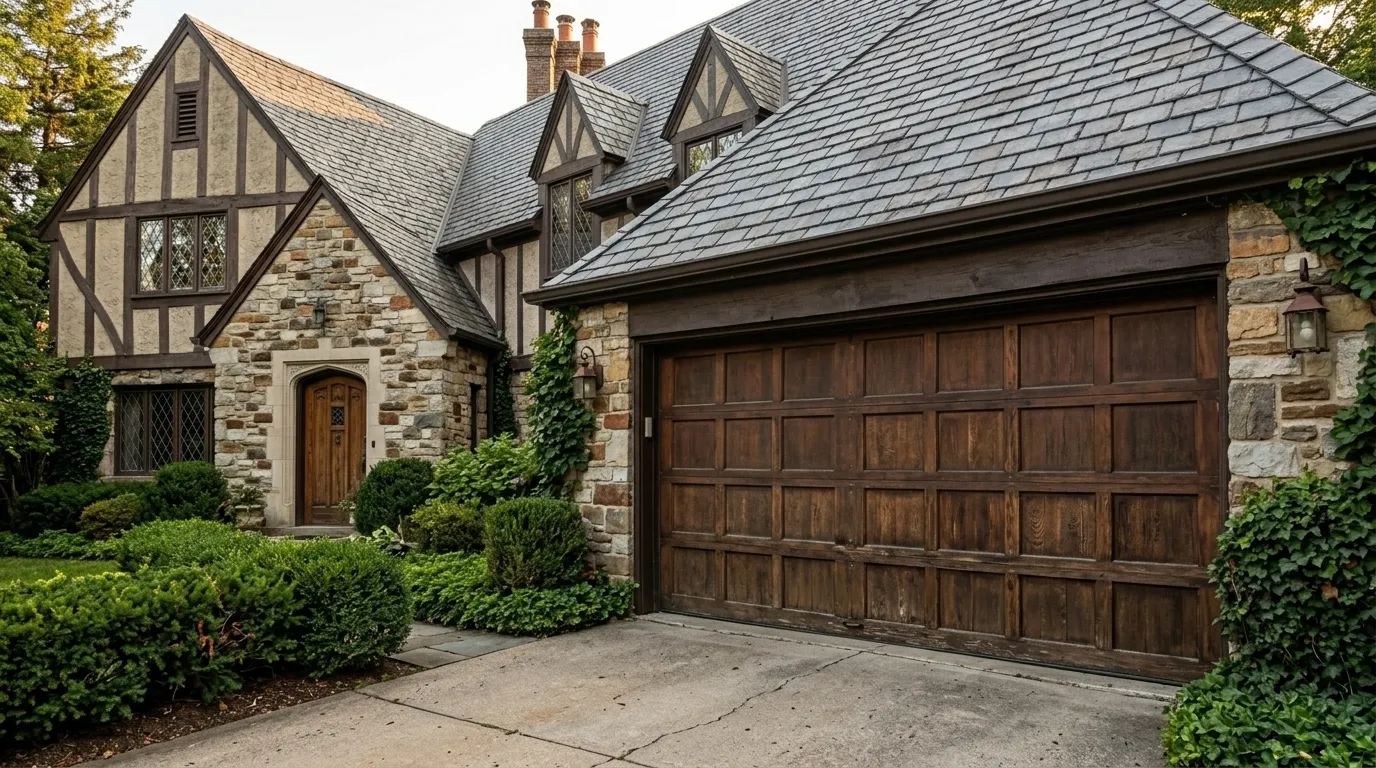
What we find
What to Check
Before winter sets in, look at the spring itself, the single coil above the door if you have one, or the two coils on a double door. A visible gap in the coil is a spring that's already cracked and running on borrowed time. You don't need tools for this, just a flashlight and a look.
Next, listen to the door on a normal lift. A grinding or popping sound low in the cycle, especially in a house built in that 1949 to 1993 window, often means the spring is compensating for wear elsewhere in the track or rollers, not just aging on its own.
Check how the door feels disconnected from the opener, if you know how to release it safely. A properly balanced door should stay roughly level when lifted halfway by hand. If it drops on its own, the spring isn't carrying its share of the weight anymore, and cold mornings will make that worse before they make it better.
How we work
The Situation
If your spring lets go in cold weather, the door isn't going anywhere until it's replaced, and that's true whether it's 20 degrees or 60. What changes in the cold is how fast a marginal spring tips over into a failed one, and how much worse the resulting strain is on the cables and opener if someone tries to force the door in the meantime.
We can't tell you over the phone whether your specific spring needs replacing or whether the whole torsion setup needs updating to match current hardware - that depends on what's actually on your door, and on houses from this area's building era, it varies more than people expect. What we can tell you is that waiting through a cold snap on a door that's already acting heavy or noisy rarely ends with just a spring replacement.
Questions
Common questions
Why does my garage door spring seem worse in the winter?
Cold steel is less forgiving of fatigue that's already built up from years of cycling. In a cold-moderate climate like Charleston's, the seasonal freeze doesn't cause the wear, it just exposes a spring that was already close to failing.
My house was built in the 1960s. Does that matter for the spring?
It can. A lot of the housing stock in this area dates to that period, and torsion hardware from that era sometimes needs the shaft or mounting adapted rather than a simple parts swap, which changes the scope of the job.
Can I just wait until spring to deal with a stiff door?
We wouldn't recommend it. A door that's heavy or noisy now is a spring under strain, and cold mornings put more load on a weak spring, not less. Waiting usually means the failure happens at a worse time, not a better one.
Is a spring replacement always straightforward?
No, and we won't pretend it is. On older torsion setups common in this area's housing stock, matching the hardware sometimes takes more than swapping the coil itself. It's worth an honest look before assuming it's a quick fix.
Ready when you are
Need a garage door sorted in Charleston?
Charleston Garage Door Pros repairs and installs garage doors, springs and openers in Charleston, WV and the surrounding area.